Jaisalmer, the “Golden City” of Rajasthan, is home to an architectural marvel that defies the conventional definition of a historical monument. While most ancient forts across the globe serve as silent museums or abandoned ruins, the Sonar Qila remains a pulsating heart of human activity. If you are planning a stay at a Desert camp in Jaisalmer, you will likely spend your days exploring this yellow sandstone giant before retreating to the dunes. The fort is not just a backdrop for photographs; it is a living, breathing ecosystem where history and modernity coexist in a way found nowhere else on earth. From its intricate Jain temples to the narrow winding lanes filled with local artisans, the fort offers a sensory experience that feels like stepping back 800 years in time.
The World’s Only “Living Fort”
The most striking feature of Jaisalmer Fort is its status as a “Living Fort.” Unlike the Red Fort in Delhi or the Mehrangarh Fort in Jodhpur, which are largely preserved for tourism, nearly one-fourth of Jaisalmer’s old city population still resides within these massive walls. This unique residential aspect means that the fort is not just a site for sightseeing but a neighborhood where people cook, sleep, celebrate festivals, and run businesses. For centuries, the descendants of the original Brahmin and Rajput families have maintained their ancestral homes here. This continuity of habitation provides an authentic glimpse into medieval urban planning that has managed to survive into the 21st century. Walking through the fort, you aren’t just looking at history; you are walking through someone’s front yard.
Seamless Integration of Architecture and Nature
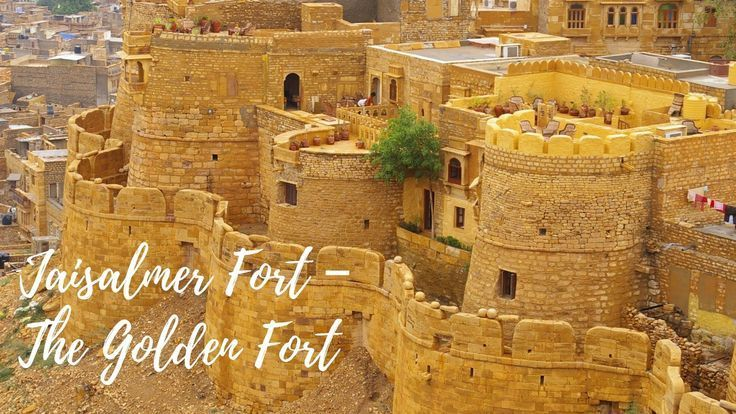
Constructed in 1156 AD by the Rajput ruler Rawal Jaisal, the fort is built atop Trikuta Hill. What makes it a residential masterpiece is how the architecture responds to the harsh Thar Desert environment. The golden-yellow sandstone used for the walls and houses was chosen not just for its beauty, but for its ability to camouflage the fort against the desert sands, acting as a natural defense mechanism. The narrow, labyrinthine streets are designed to funnel cool breezes and provide shade, keeping the residential quarters significantly cooler than the open desert during the scorching summer months. This ancient “air conditioning” system is a testament to the engineering expertise of the era, making it a highly functional space for its thousands of residents.
A Cultural Melting Pot Within the Walls
Living inside the fort isn’t just about geography; it is about a shared cultural heritage. The residential site is packed with intricately carved Havelis and seven stunning Jain temples dating back to the 12th and 15th centuries. For the residents, these temples are not just tourist attractions but active centers of worship. The social fabric of the fort is tightly knit, with families having known each other for generations. Travelers often seek out the 01 Night 2 days Sam Sand Dunes Package to balance this dense, historic urban experience with the vast openness of the desert, but they always find themselves drawn back to the fort’s vibrant atmosphere. The presence of local markets, schools, and even small libraries inside the fort walls ensures that the community remains self-sustaining.
Sustainable Medieval Urbanism
In an era where modern cities struggle with sustainability, Jaisalmer Fort stands as a model of resourcefulness. The residents have traditionally practiced water harvesting and waste management techniques that allowed a large population to survive in an arid landscape for nearly a millennium. The houses are built closely together, sharing walls to minimize heat exposure and maximize structural integrity. Each balcony (Jharokha) is a masterpiece of stone carving, designed to allow women of the household to view the street festivities without being seen, while also facilitating natural ventilation. This thoughtful approach to residential design ensures that the fort remains a viable place to live despite the pressures of modern tourism and environmental changes.
An Unrivaled Sensory and Culinary Journey
Living in or visiting the fort is a feast for the senses. The smell of local spices wafts through the air as residents prepare traditional Rajasthani meals. For many visitors, the highlight of their trip is transitioning from the bustling city life within the fort to a serene Dinner in Sand Dunes Jaisalmer under a canopy of stars. Inside the fort, however, the experience is more intimate. You can find tiny cafes tucked into the bastions, offering panoramic views of the golden city below. The interplay of light on the sandstone during sunset—which gives the fort its “Golden” moniker—is a sight that residents get to witness every day. This daily spectacle, combined with the rich oral traditions and folk music that echo through the alleys, makes the fort the most unique residential site in the world.
Preserving a Legacy for the Future
The preservation of Jaisalmer Fort as a residential site is a delicate balance. As tourism grows, the pressure on the ancient drainage systems and the soft sandstone foundations increases. However, the pride of the residents is the fort’s greatest shield. They view themselves as the guardians of a legacy that belongs to the world. Staying at Rajwada Desert Camp allows you to appreciate this balance, offering a luxury retreat while keeping you connected to the deep-rooted traditions of the Golden City. Whether you are exploring the royal palace museum or simply sharing a cup of masala chai with a local shopkeeper, the fort reminds us that history is best preserved when it is lived in.
Conclusion
Jaisalmer Fort is a rare anomaly in a world where historical sites are often sterilized for the public. Its status as a living, breathing community makes it a peerless example of residential architecture. From its climate-responsive design to its deep-seated cultural traditions, the fort remains a beacon of Rajasthan’s resilient spirit. It is a place where every stone has a story and every alleyway is a home. Experience the magic of the Golden City by wandering its ancient heights, and then complete your journey by embracing the silence of the Thar.