Nestled in the heart of Rajasthan, Udaipur is not just known for its royal palaces and serene lakes but also for its vibrant culinary culture. When you explore this city, you’ll discover that every dish carries a story of tradition, local ingredients, and royal influences. Whether you’re arriving by a taxi in Udaipur or strolling through the bustling bazaars, the aroma of traditional Rajasthani spices will instantly draw you in. Udaipur’s cuisine reflects the spirit of Rajasthan—rich, flavorful, and deeply rooted in history. Let’s take a delicious journey through the top five Udaipur dishes that truly showcase authentic Rajasthani flavors.
1. Dal Baati Churma – The Quintessential Rajasthani Classic
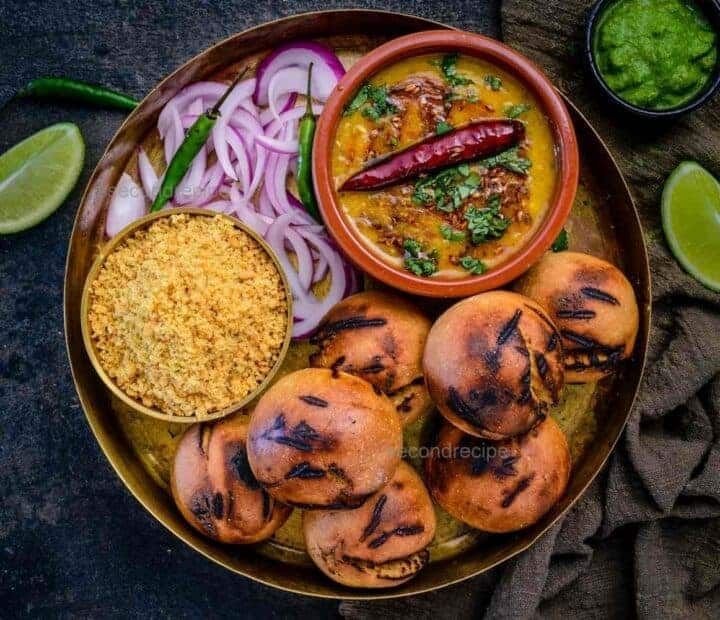
Dal Baati Churma is more than just a meal; it’s a culinary symbol of Rajasthan’s heritage. The dish brings together three distinct elements—crispy baked wheat balls (baati), a hearty lentil curry (dal), and a sweet, crumbly delight (churma). The baatis are traditionally baked over charcoal, giving them a rustic smokiness that pairs beautifully with the buttery dal. What makes this dish special is the balance between savory and sweet, creating an experience that is deeply satisfying. Every bite reflects the traditional Rajasthani cooking style—simple ingredients transformed through skill and time. It’s a must-try dish for anyone exploring the region, especially during festivals and family feasts.
2. Gatte ki Sabzi – A Tribute to Desert Ingenuity
Rajasthan’s arid climate has influenced its cuisine, leading to the creation of innovative dishes that rely less on fresh vegetables and more on flour, pulses, and spices. Gatte ki Sabzi exemplifies this ingenuity. The dish features gram flour (besan) dumplings cooked in a tangy yogurt-based gravy infused with mustard seeds, coriander, and turmeric. Its creamy texture and aromatic spices make it a comforting dish that pairs perfectly with rice or roti. Every household in Udaipur has its own variation, some adding a hint of asafoetida for extra flavor. This humble dish stands as a proud reminder of how Rajasthani cooks turned scarcity into culinary art.
3. Laal Maas – The Royal Spicy Delight
For those who crave bold flavors, Laal Maas is a showstopper. Once a royal delicacy enjoyed by Rajput warriors, this fiery red mutton curry derives its heat from Mathania red chilies, which are native to Rajasthan. The meat is slow-cooked until tender, absorbing the intense flavors of chili, garlic, and aromatic spices. Despite its heat, Laal Maas is not merely about spice—it’s about balance. The ghee and curd used in the preparation mellow the sharpness of the chilies, creating a dish that’s robust yet refined. Pair it with bajra roti or steamed rice, and you’ll understand why Laal Maas remains an unforgettable part of Udaipur’s culinary identity.
4. Ker Sangri – The Desert’s Secret Ingredient
Ker Sangri is a signature dish that captures the essence of Rajasthan’s desert landscape. Made from dried berries (ker) and beans (sangri) found in the Thar desert, this dish is a testament to the region’s resourceful use of local produce. The ingredients are soaked, cooked, and then sautéed with yogurt, spices, and sometimes dried red chilies. The result is a tangy, slightly spicy dish that pairs perfectly with millet bread or chapati. Ker Sangri’s unique earthy flavor is something you won’t find elsewhere—it’s deeply traditional and a favorite among locals. It’s also an excellent vegetarian option for visitors looking to experience authentic Rajasthani taste without the heaviness of meat-based dishes.
5. Mawa Kachori – A Sweet Ending to a Royal Meal
No culinary tour of Udaipur is complete without indulging in Mawa Kachori. This decadent dessert hails from the royal kitchens of Rajasthan and continues to be a local favorite. It’s a deep-fried pastry stuffed with sweetened khoya (mawa), nuts, and cardamom, then soaked in sugar syrup. The crispy outer shell and rich, gooey filling make it irresistible. You’ll find this sweet delicacy in most sweet shops around the city, often enjoyed with a cup of masala chai. Mawa Kachori perfectly embodies the grandeur of Udaipur’s food culture—luxurious, indulgent, and unforgettable.
Discovering Udaipur’s Food Culture Beyond the Plate
Exploring Udaipur’s cuisine is an experience in itself. From roadside eateries to royal dining halls, the city offers a diverse range of flavors that celebrate its cultural heritage. For travelers wanting a holistic food experience, a local Udaipur sightseeing taxi can make your culinary exploration seamless. These guided trips allow you to explore hidden food gems, historic eateries, and bustling local markets at your own pace.
Many of these dishes have been preserved through generations, with recipes passed down from royal kitchens to modern households. The use of clarified butter, dry spices, and locally available ingredients gives Rajasthani food its distinct identity. While the cuisine is known for its richness, it also reflects the spirit of sustainability—creating hearty, flavorful meals from minimal resources.
Planning Your Food Trail in Udaipur
If you’re planning to experience these delicacies firsthand, consider combining your culinary adventure with sightseeing. A well-curated Udaipur day trip tour offers the perfect blend of culture, history, and gastronomy. You can visit the City Palace in the morning, explore traditional markets like Hathi Pol and Bada Bazaar in the afternoon, and end your day with an authentic Rajasthani thali by the lakeside. Each bite you take tells a story—a connection between Udaipur’s royal past and its vibrant present.
Final Thoughts
Udaipur’s cuisine is not just about food; it’s about emotion, culture, and heritage. Every dish represents centuries of culinary evolution influenced by royal traditions, regional ingredients, and the resourcefulness of the desert lifestyle. From the comforting Dal Baati Churma to the spicy Laal Maas and the indulgent Mawa Kachori, these dishes are a reflection of Rajasthan’s warm hospitality and timeless charm. When you visit Udaipur, take the time to savor these authentic flavors—they are as much a part of the city’s identity as its magnificent palaces and tranquil lakes.