Jaisalmer is often described through its fort and dunes, but the real experience sits in the overlap of history, desert geography, and everyday routines. This is a city shaped by scarcity and strategy. Water, shade, timing, and trade defined how people built homes, moved goods, and lived their lives. Understanding these layers makes a visit feel grounded rather than superficial.
Travel here works best when expectations are realistic and plans respect local conditions. Many visitors rely on a local Travel Agency in Jaisalmer to align routes, timing, and pace with the desert environment. That choice usually means fewer delays and more meaningful time on the ground.
A City Built by Trade and Survival
Jaisalmer’s history is inseparable from trade routes that once crossed the Thar Desert. Merchants carried spices, silk, and precious goods between India, Central Asia, and the Middle East. The city rose as a fortified stop that offered protection, storage, and control.
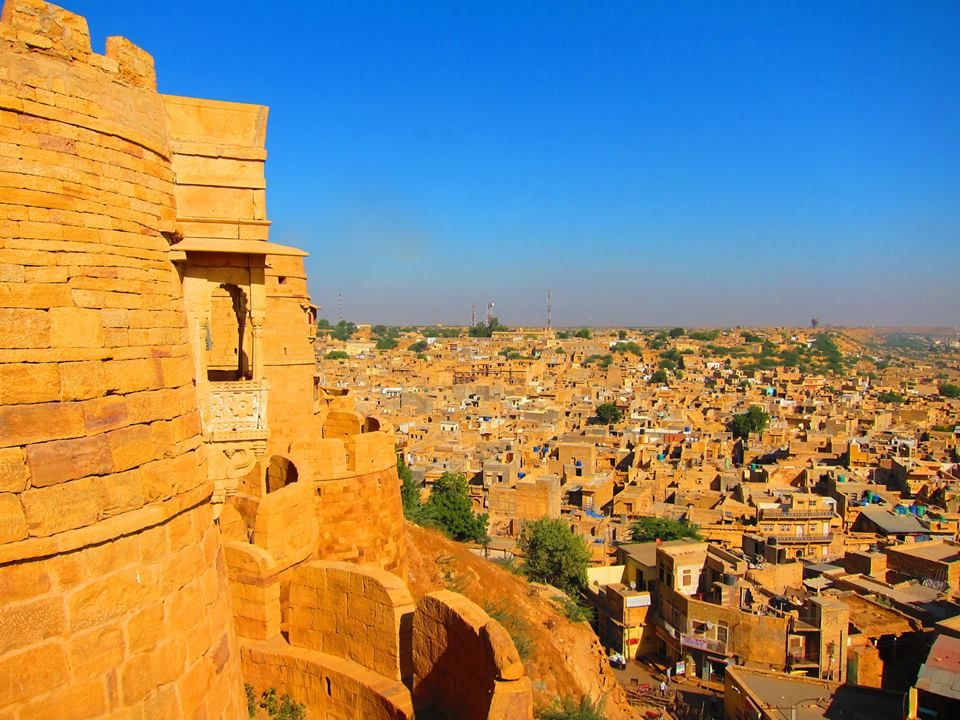
Jaisalmer Fort was built not just to impress, but to endure. Its elevated position, thick walls, and compact layout helped residents defend resources and manage extreme heat. Even today, the fort feels practical rather than ornamental. Narrow lanes create shade. Stone absorbs heat slowly. Homes sit close together to reduce exposure. History here is not distant. It is functional.
Life Inside the Fort
Unlike many forts that emptied over time, Jaisalmer Fort remains lived in. Families still occupy homes passed down through generations. Shops sell daily necessities alongside handicrafts. Temples host prayers at set hours.
Walking through the fort means sharing space with residents going about normal routines. This mix of daily life and heritage can feel surprising at first. It also explains why the fort feels alive rather than staged. Visiting early in the morning reveals this best, when activity is quiet and unforced.
The Desert as a Way of Life
The Thar Desert is not a backdrop. It dictates rhythm. Distances look short but take time. Heat shapes daily schedules. Silence is normal, not empty.
When you head beyond the city toward the dunes, the landscape opens up quickly. Roads stretch straight, vegetation thins, and settlements grow sparse. The desert experience is less about action and more about awareness. Light changes fast. Wind reshapes sand. Evenings cool sharply.
Planning desert visits well matters. Late afternoons are ideal. Midday travel is tiring and unnecessary. Reaching dunes safely and comfortably is easier with a dependable Taxi Service in Jaisalmer, especially if you are unfamiliar with desert driving.
Daily Life Beyond the Monuments
Outside the fort, Jaisalmer’s lower city shows how daily life continues beyond tourism. Markets sell grains, vegetables, textiles, and tools. Tea stalls fill up at fixed times. Streets slow down in the afternoon heat and come alive again after sunset.
Places like Gadisar Lake were built for survival, not beauty. The lake once supplied water to the city and controlled access through gateways. Today it offers a calm space where locals and visitors pause alike. Early mornings here feel reflective rather than busy.
Moving Through the City Comfortably
Jaisalmer is spread out. The fort, havelis, lakes, cenotaphs, and desert routes are not clustered together. Walking everywhere is impractical, especially in warm weather. Public transport options are limited and inconsistent.
Using a planned Jaisalmer Sightseeing Taxi allows you to move between areas without breaking the flow of the day. It helps you conserve energy, keep timings flexible, and avoid unnecessary negotiation or waiting. In a desert city, comfort directly affects how much you absorb.
Food, Pace, and Practical Comfort
Local food reflects desert logic. Dishes are filling, preserved, and resource efficient. Meals are not rushed. Service can be slow by city standards, but it follows the local rhythm. Accepting this pace reduces frustration.
Hydration matters more than most people expect. The dry air pulls moisture quickly, even in winter. Carry water, take breaks, and avoid pushing through fatigue. A comfortable traveler notices more.
How Much Time Feels Right
Three days is a balanced window for most visitors. One day to understand the fort and old city, one day to explore havelis, lakes, and viewpoints, and one day for the desert. Trying to compress this leads to constant movement with little reflection.
Jaisalmer rewards observation. Watching shadows shift on sandstone walls or listening to evening sounds tells you more about the city than rushing between sites.
What Staying Aware Adds to the Experience
When you look beyond monuments, Jaisalmer becomes clearer. History explains architecture. Desert explains timing. Daily life explains pace. These elements are not separate. They depend on each other.
A trip planned with local understanding, comfortable transport, and realistic expectations lets these layers come together naturally. Instead of feeling like a checklist, the journey feels cohesive.