Rajasthan, the land of royal heritage, has always fascinated travelers with its grand forts, vibrant culture, and culinary traditions. Tourists from across the globe are captivated by the state’s distinctive flavors, which reflect its history, geography, and lifestyle. Many travelers, after experiencing an india food tour, find Rajasthani cuisine to be the most memorable part of their journey. The cuisine’s uniqueness lies not only in its ingredients but also in the art of preparation that has been perfected over generations.
The Essence of Rajasthani Cuisine: A Royal Culinary Heritage
Rajasthani food has deep historical roots, influenced by the arid climate and the royal kitchens of Rajput kings. Because of scarce water and fresh vegetables, the cuisine developed methods to preserve food for long periods without losing flavor. Dishes like ker sangri, gatte ki sabzi, and dal baati churma are perfect examples of how necessity led to innovation. Tourists are drawn to the authenticity of these dishes, where each bite tells a story of Rajasthan’s resilience and opulence. The food is cooked with ghee and spices that provide both nourishment and a rich taste.
Traditional Flavors That Define Rajasthan
The essence of Rajasthani food lies in its balance of heat and sweetness, its use of gram flour, and its rich spices. Laal maas, the fiery red mutton curry, is a must-try for non-vegetarians, while panchmel dal and bajre ki roti satisfy those who prefer vegetarian meals. What attracts tourists the most is the authenticity that comes with traditional preparation—cooked on slow fire, served with love, and enjoyed in an atmosphere of cultural warmth. Rajasthani sweets like ghewar, malpua, and moong dal halwa leave a lingering impression that few cuisines can match.
Cultural Connection and Authentic Experience
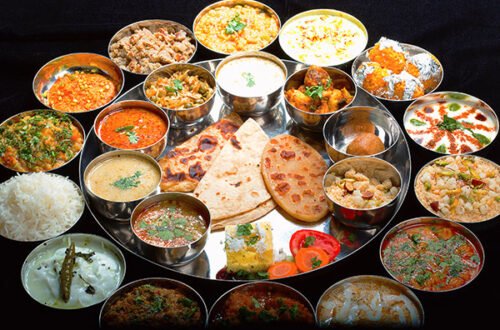
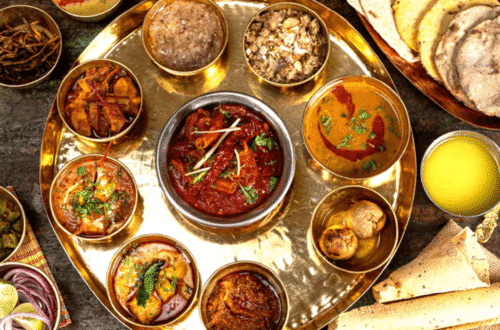
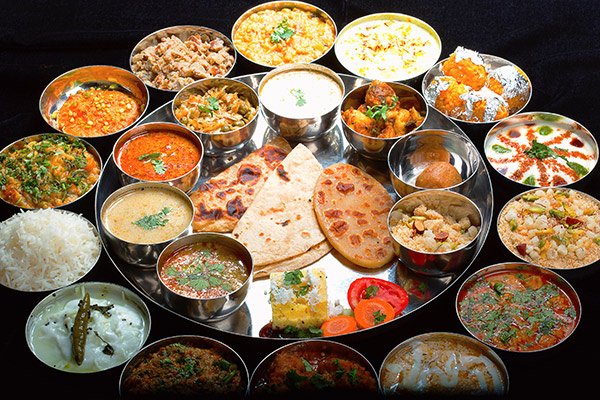
Rajasthani cuisine is more than just food—it’s a reflection of the state’s identity. Tourists appreciate how every meal connects them to local traditions, festivals, and hospitality. The food is served on brass thalis, and every dish has a cultural meaning. For example, during festivals like Holi and Diwali, special sweets are prepared that symbolize prosperity and joy. Visitors often share that eating in Rajasthan feels like sharing in its legacy. This cultural depth makes Rajasthani food not just a culinary experience but an emotional one.
Exploring the Flavors through Local Food Tours
One of the best ways for travelers to discover authentic Rajasthani food is through curated culinary experiences. A jaipur food walk tour allows visitors to explore the Pink City’s vibrant streets while tasting local favorites like kachori, mirchi vada, and lassi. The guided walks not only introduce participants to local eateries but also share stories behind the dishes. It’s this storytelling aspect, combined with hands-on tasting, that helps travelers develop a personal connection to the cuisine. Jaipur’s bustling markets, with the aroma of freshly fried snacks and sweets, perfectly capture the spirit of Rajasthani hospitality.
The Blue City’s Culinary Charm
Moving westward, the jodhpur food walk tour brings a different side of Rajasthani food to life. Jodhpur, known as the Blue City, is equally famous for its mava kachori, pyaaz ki kachori, and mirchi bada. What distinguishes Jodhpur’s food is its deep-rooted connection to royal heritage and community traditions. Tourists often mention how the flavors here are bold yet comforting, blending sweet, spicy, and savory elements effortlessly. The city’s local eateries have been serving the same recipes for decades, earning loyal patrons and global recognition.
Health, Sustainability, and Taste Combined
Another reason why Rajasthani food stands out is its natural alignment with health-conscious eating. Many dishes are vegetarian, gluten-free, and made with locally sourced ingredients. The use of millets such as bajra and jowar has gained global attention for being nutritious and sustainable. Tourists who seek authentic yet healthy food experiences appreciate how Rajasthani meals are balanced and filling without being overly processed. Moreover, cooking in ghee, rather than oil, adds a distinctive aroma and richness while supporting digestion—a fact often emphasized by locals.
Local Ingredients and Timeless Recipes
The secret to Rajasthani food’s charm lies in its ingredients. Locally grown produce like ker, sangri, and amchur gives the cuisine its signature tangy-spicy flavor. Tourists love watching local chefs prepare these dishes in traditional clay pots, over wood-fired stoves. This method not only preserves nutrients but also enhances the earthy aroma. Recipes passed down for centuries have been adapted to modern kitchens without losing authenticity. Many travelers even return home with local spices and ingredients to recreate these dishes, proving how deeply Rajasthani food resonates with them.
Why Tourists Prefer It Over Other Indian Cuisines
While India is known for its diverse regional cuisines, Rajasthani food has an unmatched emotional and cultural depth. Tourists often compare their dining experiences across the country and find Rajasthan’s cuisine to be more immersive. It’s not just about taste—it’s about atmosphere, tradition, and connection. The meals feel personal, often served in traditional homes or heritage restaurants. Every bite transports visitors into a royal past where food was both art and expression. The meticulous care, flavor harmony, and visual appeal make Rajasthani food stand apart from other regional dishes.
Conclusion: A Culinary Journey Worth Savoring
Rajasthani cuisine is a celebration of flavors, culture, and hospitality. For tourists, it’s more than a meal—it’s an experience of India’s regal heritage and culinary creativity. Whether it’s savoring dal baati churma under the desert sky or exploring bustling bazaars filled with the scent of fresh spices, Rajasthani food leaves a lasting impression. Each dish narrates a tale of resilience, pride, and warmth that visitors cherish long after their trip. It’s no wonder that travelers who embark on an india food tour often describe Rajasthani cuisine as the most memorable part of their journey—a flavorful bond between past and present that continues to enchant the world.