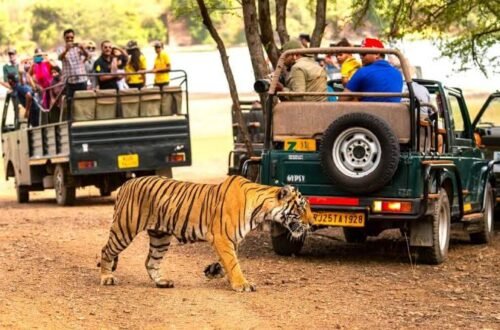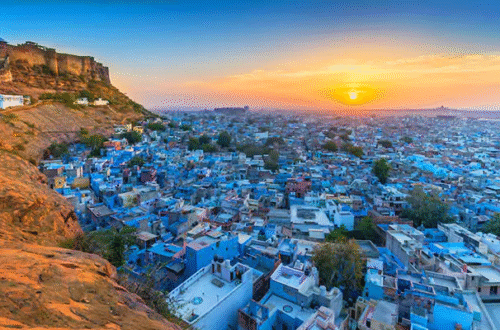
Planning a wildlife adventure in Rajasthan? A Journey from Jaipur to Ranthambore offers travelers an unforgettable mix of natural beauty, royal history, and thrilling encounters with majestic tigers. Whether you’re a nature lover, wildlife photographer, or just an explorer seeking peace amidst nature, this journey is one of India’s most remarkable travel experiences.
Ranthambore, located in the Sawai Madhopur district of Rajasthan, is one of the finest places in India to spot the Royal Bengal Tiger in its natural habitat. The distance from Jaipur to Ranthambore is approximately 180 km, making it an ideal weekend getaway. With well-connected roads, a scenic route, and convenient travel options, the journey from Jaipur’s pink hues to Ranthambore’s lush wilderness is an adventure in itself.
Why Choose Ranthambore for Your Next Wildlife Getaway
Ranthambore National Park is not just about tigers—it’s a complete ecosystem rich in history, biodiversity, and culture. Once a royal hunting ground for the Maharajas of Jaipur, it now stands as a protected area that celebrates wildlife conservation. The park’s terrain, dotted with lakes, ancient ruins, and the iconic Ranthambore Fort, gives travelers more than just a safari—it offers a glimpse into the living history of Rajasthan.
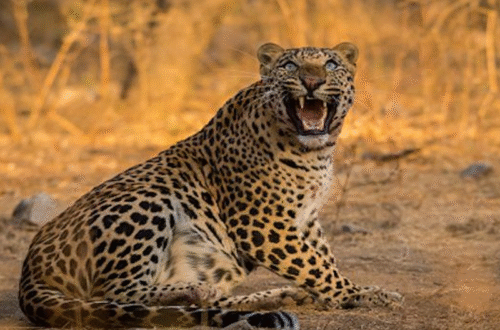
During your safari, you can spot leopards, sloth bears, spotted deer, sambhar deer, crocodiles, and over 300 species of birds. For photography enthusiasts, every turn of the trail presents an opportunity for breathtaking shots, especially in the early morning light when the mist floats over the dry deciduous forest.
How to Reach Ranthambore from Jaipur
The journey from Jaipur to Ranthambore can be enjoyed through multiple modes of travel. By road, the drive takes around 3.5 to 4 hours via the NH52 and Lalsot-Kothun route. The well-maintained highway ensures a smooth journey, and the changing landscapes—from the urban settings of Jaipur to the rustic charm of Sawai Madhopur—make the trip visually delightful.
For travelers seeking comfort, hiring a private cab or joining an organized tour package is recommended. Train options are also available from Jaipur to Sawai Madhopur, which is the nearest railway station to the park. The train journey offers a relaxed and affordable way to travel, especially for families and groups.
The Best Time to Visit Ranthambore
Ranthambore National Park remains open from October to June, with each season offering a unique experience. The winter months (October to February) are ideal for tourists who enjoy cooler weather and pleasant safari rides. During summer (March to June), although temperatures can rise, wildlife sightings are often more frequent as animals gather near water bodies.
The monsoon season (July to September) is when the park remains closed to visitors, allowing nature to rejuvenate. This natural pause ensures the park’s ecosystem remains healthy and ready for another cycle of exploration and discovery.
Where to Stay in Ranthambore
Selecting the right accommodation can elevate your wildlife experience. Ranthambore offers a range of options—from luxury jungle lodges to eco-friendly resorts. Ranthambore Tiger Resort stands out as a perfect retreat for travelers who want a blend of comfort, authenticity, and proximity to the park. Nestled in serene surroundings, this resort is designed to give guests an immersive experience that complements the wild beauty of Ranthambore.
For travelers seeking a place that blends luxury with natural tranquility, the best resort in ranthambore offers premium amenities, guided safari experiences, and eco-conscious hospitality. Its location near the national park makes it convenient for early morning safaris and sunset explorations.
Exploring the Highlights of Ranthambore
Ranthambore Fort, a UNESCO World Heritage Site, is a must-visit attraction. It stands tall above the forest and offers panoramic views of the surrounding landscape. The fort’s ancient temples, stepwells, and architectural remnants tell stories of valor and devotion.
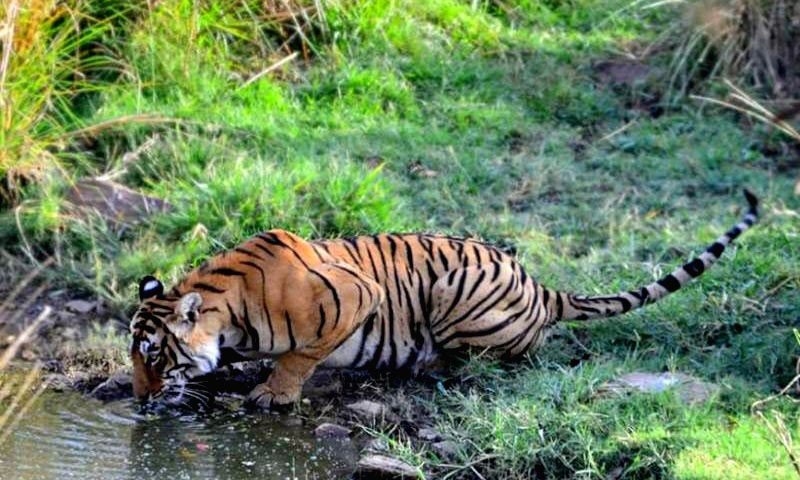
The Padam Talao and Rajbagh Lake are scenic spots where you can often spot wildlife drinking water or lounging near the banks. These lakes also attract a diverse range of birds, making them ideal for birdwatching. The park’s zones, ranging from Zone 1 to Zone 10, each offer unique sightings and terrains, ensuring no two safaris are ever the same.
Tips for a Perfect Jaipur to Ranthambore Trip
- Book Safari in Advance: Safaris in Ranthambore are limited and highly sought after, especially in peak seasons. Booking early ensures you get your preferred time slot.
- Carry Essentials: Sunscreen, hats, binoculars, and comfortable clothing are a must.
- Follow Park Guidelines: Always maintain silence during safaris and respect wildlife boundaries.
- Engage with Local Guides: Experienced guides enhance your safari with insightful stories and help you identify animal behavior and tracks.
- Combine History and Nature: Extend your trip to explore nearby attractions like the Chambal River Sanctuary or the historic town of Sawai Madhopur.
Planning with the Right Tour Package
For those who want a seamless travel experience, exploring Best Ranthambore Tour Packages can simplify your planning. These packages typically include transportation, accommodation, guided safaris, and meals—allowing travelers to focus entirely on the adventure. Customizable options are available for families, honeymooners, or solo travelers.
Experience the Wild Majesty of Rajasthan
A trip from Jaipur to Ranthambore is more than just a vacation—it’s a journey into the wild heart of Rajasthan. From the vibrant culture of Jaipur to the raw, untouched beauty of Ranthambore’s forests, every mile tells a story. Whether it’s the thrill of spotting a tiger in the wild, the calm of sitting by a forest lake, or the comfort of resting in a serene resort, every experience adds a new layer to your travel memories.
With responsible tourism, sustainable lodging, and expert-guided safaris, Ranthambore continues to inspire travelers from around the world. So, pack your bags, charge your camera, and set out on an unforgettable adventure through the untamed splendor of India’s wilderness.