Udaipur is not a city you visit just to see. It’s a city you listen to. Every palace wall, lake edge, and narrow lane carries layers of history shaped by kings, artists, and everyday life that continues even today. For travelers who care about stories, heritage, and culture more than fast sightseeing, Udaipur offers a deeply rewarding experience.
This guide is designed for history and culture lovers who want to understand the city, not just photograph it.
The Historical Roots of Udaipur
Udaipur was founded in 1559 by Maharana Udai Singh II as the capital of the Mewar kingdom. Unlike many royal cities that rose and fell quickly, Udaipur developed slowly, shaped by resilience and independence. The rulers of Mewar were known for defending their land fiercely, and that pride still echoes in the city’s identity.
What makes Udaipur unique is how its history blends into daily life. Palaces overlook active neighborhoods, temples remain places of worship, and old markets still serve local communities.
City Palace: Living History by the Lake
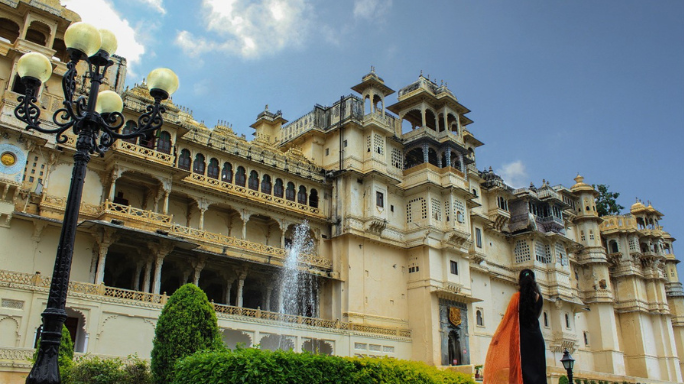
City Palace is the most important historical site in Udaipur. It’s not a single structure but a vast complex built over centuries by different rulers. Each section reflects a different period, architectural style, and cultural influence.
Walking through City Palace is like moving through time. Courtyards lead to museums, balconies open to lake views, and decorated rooms showcase royal lifestyles, weapons, paintings, and manuscripts.
Take your time here. History lovers should read descriptions, notice the craftsmanship, and observe how the palace interacts with Lake Pichola below. This is not a quick stop. It’s the foundation of Udaipur’s story.
Jag Mandir: Architecture and Diplomacy
Jag Mandir sits quietly on an island in Lake Pichola. Historically, it served as a place of refuge and diplomacy. One of its most famous moments was sheltering Mughal prince Khurram, who later became Emperor Shah Jahan.
The palace architecture reflects balance rather than grandeur. Marble structures, open courtyards, and gardens create a calm atmosphere. For culture-focused travelers, Jag Mandir offers insight into how Udaipur functioned not just as a kingdom, but as a political and cultural center.
Sajjangarh (Monsoon Palace): Strategic Beauty
Perched on a hilltop, Sajjangarh Palace was originally built to observe monsoon clouds and protect the city. Today, it offers panoramic views of Udaipur’s lakes, forests, and settlements.
From a cultural perspective, Sajjangarh shows how geography influenced royal planning. Palaces weren’t built only for beauty, but also for defense, climate observation, and control of land.
Visiting at sunset helps you understand why location mattered so much in royal architecture.
Temples and Spiritual Life
Udaipur’s culture is deeply spiritual. Temples are not tourist exhibits here. They are active centers of worship.
Jagdish Temple, located near City Palace, is a prime example of Indo-Aryan architecture and remains an important religious site. Visit respectfully, observe rituals quietly, and notice how faith blends naturally into everyday city life.
Early mornings are best for temple visits if you want a more authentic experience.
Markets as Cultural Archives
For culture lovers, markets are as important as monuments.
Hathi Pol and Bada Bazaar are filled with crafts that represent Udaipur’s artistic heritage. Miniature paintings, metalwork, silver jewelry, and textiles are not decorative trends. They are skills passed down through generations.
Walk slowly through these markets. Talk to shopkeepers. Ask about the origins of designs. Even without buying, you’ll gain cultural context that guidebooks rarely provide.
Museums and Art Traditions
Beyond palaces, Udaipur preserves its history through museums and private collections. Vintage photographs, royal artifacts, and traditional art forms help you understand how the city evolved over time.
Miniature painting, in particular, is a proud tradition here. Many local artists still practice this detailed art form using methods unchanged for centuries.
Where You Stay Shapes Cultural Experience
For history and culture lovers, accommodation isn’t just about comfort. It’s about atmosphere.
Travelers attending heritage events or cultural gatherings often prefer a Wedding Hotel in Udaipur that reflects traditional architecture while offering modern convenience. Such properties often blend cultural aesthetics with hospitality.
Those who want quiet reflection after long cultural walks often choose the Best Resort in Udaipur, typically located away from busy areas. These resorts provide space, views, and calm, allowing time to absorb what you’ve seen.
Couples who connect over history and art may prefer a peaceful Honeymoon Room in Udaipur that offers privacy and a setting that complements the city’s romantic and historic character.
How to Experience Udaipur Like a Culture Lover
Start your days early. Morning light and quieter streets reveal more than crowded afternoons.
Limit yourself to two major sites per day. Depth matters more than volume.
Read plaques, guides, and inscriptions. Don’t rush.
Spend time sitting. By lakes, in courtyards, near temples. Observation is part of cultural travel.
Respect active heritage. Many places are lived-in, not preserved in glass.
Common Mistakes to Avoid
Treating palaces as photo backdrops only
Rushing through museums
Ignoring local neighborhoods
Overloading itineraries
Staying disconnected from the city rhythm
Udaipur rewards patience and curiosity.
Final Thoughts
Udaipur is a city for travelers who enjoy understanding places, not just seeing them. Its history is layered, its culture is lived, and its pace allows reflection.