Jaisalmer is shaped by the desert in every possible way. The color of the stone, the pace of life, and especially the food. When days are long and the sun is relentless, meals are not just about taste. They are about energy, balance, and comfort. Traditional plates in Jaisalmer exist because they had to work in extreme conditions, and that practicality is what makes them unforgettable for travelers today.
Eating in Jaisalmer is not rushed. Meals are meant to be enjoyed slowly, often after a long day of walking through forts, havelis, and sand dunes. The food reflects the land: simple, strong, and deeply satisfying.
How the Desert Defines Jaisalmer’s Food
Life in the Thar Desert demanded smart cooking. Water was limited, fresh vegetables were not always available, and food needed to last. Over time, locals built a cuisine around ingredients that could survive heat and storage. Lentils, gram flour, millet, dried beans, buttermilk, and ghee became staples.
This is why Jaisalmer’s traditional food feels rich without being careless. Every ingredient has a purpose. Nothing is wasted. Once you understand this, the food feels thoughtful rather than heavy.
Dal Baati Churma: The Desert’s Most Trusted Meal
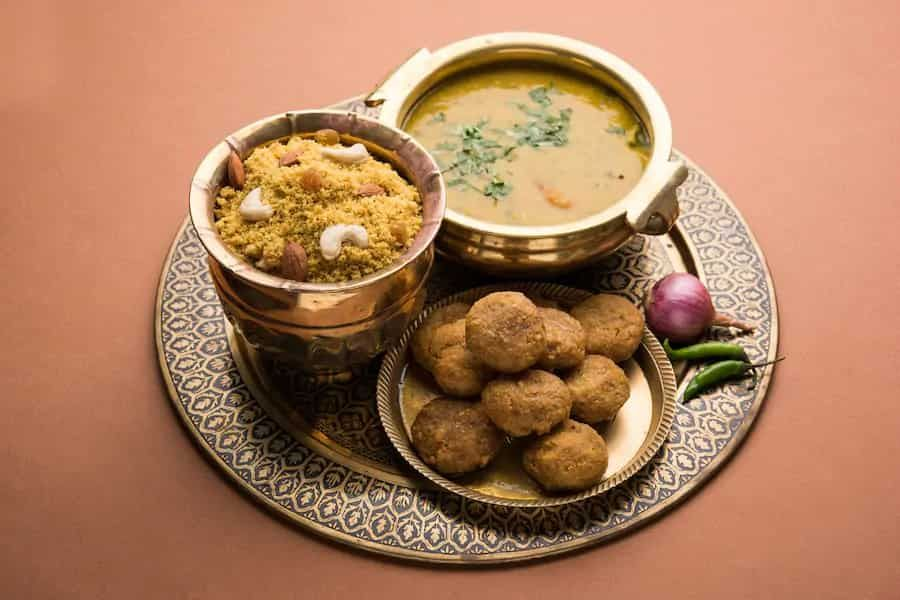
Dal baati churma is more than a popular dish. It is the foundation of desert dining. The baati is baked until firm, often over open fire, making it durable and smoky. It is broken and soaked in ghee before eating. The dal is thick and warming, while churma adds gentle sweetness and energy.
In Jaisalmer, this dish is prepared with restraint. No unnecessary garnishes. No excess oil. Just balance. It is filling, comforting, and perfectly suited for long desert days.
Ker Sangri: A Flavor Born From Sand
Ker sangri is one of the clearest examples of food shaped by land. Made from wild desert berries and beans, this dish exists because these ingredients could survive where others could not. The flavor is tangy, earthy, and slightly bitter, balanced with local spices.
Eaten with bajra roti, ker sangri represents true desert cooking. It is not adapted or reinvented. It is served the way it has always been, and that authenticity is what makes it special.
Gatte Ki Sabzi: Everyday Desert Comfort
When vegetables were scarce, chickpea flour became the solution. Gatte ki sabzi uses gram flour dumplings cooked in a yogurt-based gravy to create a dish that is filling and reliable.
In Jaisalmer, this dish is lighter than in many other regions. The spices are measured, the texture is smooth, and the focus is on comfort rather than richness. It is everyday food that locals still rely on.
Bajra Roti: The Backbone of Traditional Plates
Bajra roti plays a central role in desert meals. Made from pearl millet, it provides slow energy and helps the body cope with extreme temperatures. Dense and slightly nutty, it pairs perfectly with dry dishes like ker sangri.
Alongside bajra, missi roti and plain wheat rotis are also common, but millet remains the most culturally important. It is not a side item. It is the foundation of the meal.
Sweets That Complete the Experience
Desserts in Jaisalmer are simple but meaningful. Ghewar, laddoos, and malpua are popular, but churma remains the most important sweet. Often eaten with dal baati, churma is warm, crumbly, and mildly sweet.
These sweets are not meant for excess. They are meant to restore energy after long days under the desert sun.
Where You Eat Shapes the Meal
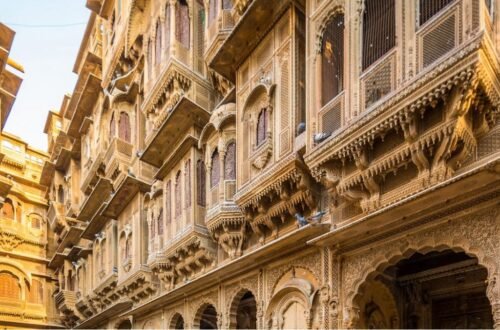
In Jaisalmer, food feels different depending on where you eat it. Traditional dishes taste more authentic when eaten near the old city, surrounded by sandstone buildings and open skies.
That is why places like Jaisalmer Fort View Restaurant stand out. Sitting with a clear view of the fort while eating traditional food creates a connection between plate and place. The calm rooftop setting allows you to slow down and actually enjoy the meal.
Why Dining Near the Fort Matters
Jaisalmer Fort is not just a monument. It is a living space where families have cooked these dishes for generations. Eating near the fort brings history into the experience.
This is why travelers often look for Best Restaurants in Jaisalmer Near Jaisalmer Fort instead of dining far from the old city. The setting adds depth that cannot be recreated elsewhere.
Traditional Thali: One Plate, Many Stories
A traditional Rajasthani thali is the best way to understand desert cuisine in one meal. It usually includes dal, baati, churma, gatte ki sabzi, ker sangri, rice, roti, and buttermilk.
Portions are small and balanced. The goal is not indulgence but completeness. For travelers, a thali offers the clearest picture of how locals eat during festivals and family gatherings.
Choosing Authentic Traditional Restaurants
Not every restaurant serves food the traditional way. Some adjust flavors for tourists or overload dishes with oil. Locals usually prefer places that respect old methods and local ingredients.
That is why experienced travelers search for Traditional restaurants in jaisalmer rather than generic dining spots. Authenticity shows in the details, from how baati is baked to how ker sangri is seasoned.
Final Thoughts
Desert days in Jaisalmer demand food that is honest, filling, and rooted in tradition. The city’s traditional plates are not about luxury or presentation. They are about survival, balance, and comfort.
If you eat thoughtfully, choose traditional dishes, and dine near the fort, Jaisalmer’s food becomes more than a meal. It becomes part of the desert experience itself. Slow down, eat well, and let the land tell its story through every plate.