Udaipur is not just a scenic city of lakes. It is a place shaped by centuries of courage, sacrifice, political strategy, and royal vision. To truly understand Udaipur, you need to look beyond the palaces and into the story of Mewar, one of the oldest ruling dynasties in India.
This journey from ancient battles to modern tourism explains why Udaipur still carries a strong royal identity today.
The Rise of Mewar
The roots of Udaipur lie in the powerful kingdom of Mewar. Before Udaipur became the capital, Chittorgarh was the main stronghold of the Sisodia Rajputs. Chittorgarh Fort witnessed several invasions and legendary acts of bravery, including the famous stories of jauhar and Rajput resistance.
Repeated attacks, especially by Mughal forces, forced the rulers of Mewar to rethink their strategy. The need for a more secure and defensible capital led to the foundation of Udaipur.
Foundation of Udaipur
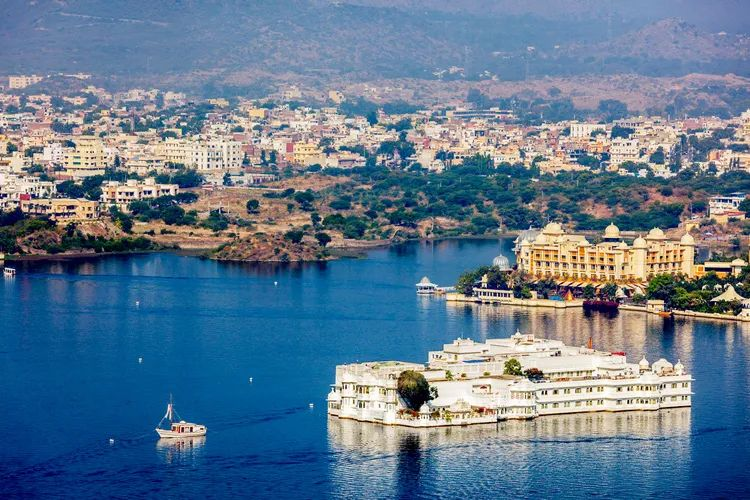
In 1559, Maharana Udai Singh II established Udaipur as the new capital of Mewar. According to historical accounts, he chose this location because of its natural defense advantages, surrounded by the Aravalli Hills and supported by water bodies.
Lake Pichola, which already existed, became central to the new city’s design. Over time, additional lakes like Fateh Sagar were developed to strengthen water security and beautify the city.
The City Palace complex began construction during this period and expanded over generations. Today, it stands as a symbol of Mewar’s architectural and political legacy.
Many travelers exploring these historical landmarks opt for curated Udaipur Sightseeing Tour Packages to understand the deeper stories behind each monument rather than just viewing them as tourist spots.
Resistance Against the Mughals
One of the most defining figures in Udaipur’s history is Maharana Pratap. Known for his resistance against Mughal emperor Akbar, Maharana Pratap became a symbol of Rajput pride and independence.
The Battle of Haldighati in 1576 remains one of the most discussed conflicts in Rajasthan’s history. Though the battle did not result in a decisive victory, Maharana Pratap’s refusal to submit strengthened Mewar’s legacy of resistance.
This period shaped Udaipur’s identity as a kingdom that valued independence over compromise.
Later Developments and British Era
Over time, the political landscape changed. Mewar eventually entered into alliances with the British during the colonial period. While maintaining internal autonomy, the rulers cooperated with the British administration to preserve stability.
Udaipur continued to develop architecturally during this time. Palaces, gardens, and public structures were expanded and maintained, adding to the city’s royal character.
Integration into Modern India
After India gained independence in 1947, princely states were integrated into the Indian Union. Mewar became part of Rajasthan, and Udaipur transitioned from a royal capital to a district headquarters and tourism hub.
The royal family retained cultural influence, and many heritage properties were converted into hotels. This transformation allowed Udaipur to preserve its history while adapting to modern economic needs.
Chittorgarh’s Historical Importance
To fully understand Udaipur’s history, visiting Chittorgarh is essential. The fort represents the earlier capital of Mewar and holds stories of sacrifice and valor.
Booking a reliable Udaipur to Chittorgarh Taxi Service allows visitors to explore this historic site comfortably and connect Udaipur’s story with its origins.
Walking through Vijay Stambh and Padmini Palace gives context to why Udaipur was founded in the first place.
From Royal Capital to Tourism Hub
Today, Udaipur is known globally for its heritage hotels, destination weddings, and scenic beauty. The same lakes that once provided defense and survival now attract visitors from around the world.
Infrastructure has improved significantly, and organized taxi services in udaipur make it easier for travelers to explore both historical and modern attractions.
Many visitors also combine Udaipur with Jaisalmer to experience a broader view of Rajasthan’s heritage. A professional Udaipur To Jaisalmer Taxi Service ensures smooth long-distance travel while continuing the historical journey across the state.
Why History Still Matters
Udaipur’s identity is not just about beautiful views. It is about resilience, strategy, and preservation. The lakes, palaces, and forts were built with purpose, not just aesthetics.
Understanding this history changes how you experience the city. The City Palace is no longer just a monument. It becomes a living symbol of centuries of leadership and adaptation.
Final Thoughts
Udaipur’s journey from the battle-scarred plains of Chittorgarh to a thriving modern tourism city is remarkable. It reflects how a kingdom survived invasions, colonial transitions, and political shifts while preserving its cultural core.