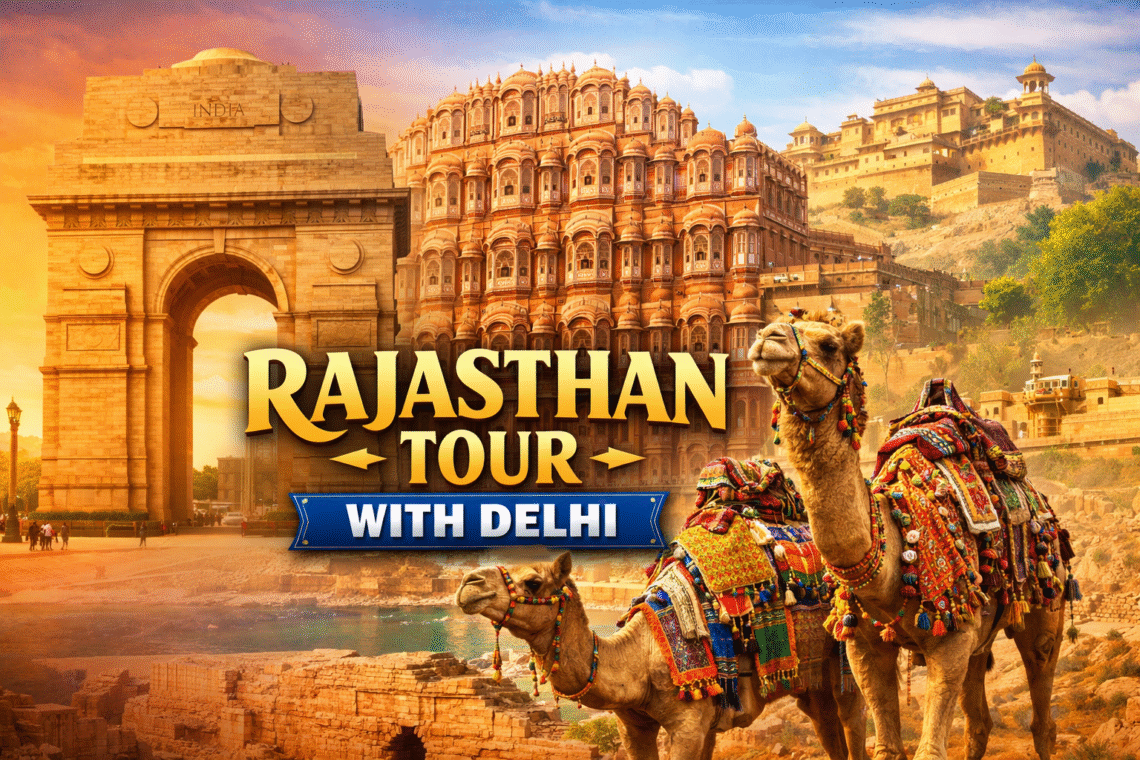
Starting a journey from the national capital towards the land of kings is one of the most iconic travel experiences in South Asia. Delhi serves as the perfect gateway, offering seamless connectivity via road, rail, and air to the diverse landscapes of Rajasthan. This route is not just a geographical transition but a cultural one, moving from the bustling metropolitan energy of Delhi to the timeless grandeur of Rajputana heritage. For travelers seeking a comprehensive experience, choosing well-structured all india tour packages from delhi ensures that every logistical detail is handled, allowing for a focus on the sights and stories that make this region famous.
Planning the Ideal Route and Duration
Rajasthan is vast, and attempting to see everything in a single week often leads to travel fatigue. A classic itinerary typically follows a circular or linear path starting from Delhi. The most common route includes the “Golden Triangle” cities before venturing deeper into the desert. Ideally, a traveler should allocate at least 10 to 14 days to cover the primary hubs of Jaipur, Jodhpur, Udaipur, and Jaisalmer.
The connectivity between Delhi and Rajasthan is excellent. The Delhi-Ajmer Expressway has significantly reduced travel time to Jaipur, making it a viable five-hour drive. For those who prefer the charm of Indian Railways, several high-speed trains like the Vande Bharat Express and the Ajmer Shatabdi connect the two regions daily. Planning these transitions carefully is the secret to a stress-free vacation.
Discovering the Pink City of Jaipur
Jaipur is usually the first stop on any Rajasthani expedition. Known as the Pink City, it offers a blend of chaotic bazaars and serene architectural marvels. The Amber Fort, perched on a hill, is a masterclass in Rajput architecture, featuring intricate carvings and sprawling courtyards. Within the city limits, the Hawa Mahal stands as a unique Five-story exterior, designed to allow royal ladies to observe everyday life without being seen.
Beyond the famous landmarks, Jaipur is a hub for traditional crafts. From blue pottery to block-printed textiles, the markets here are a treasure trove for shoppers. It is also an excellent place to sample authentic Rajasthani cuisine, such as Dal Baati Churma and Ghevar. Many travelers find that a rajasthan tour with delhi provides the necessary balance between the historic sites of the capital and the royal charm of Jaipur.
The Blue Hues of Jodhpur and the Thar Desert
Moving west from Jaipur, the landscape becomes more arid as you approach Jodhpur, the “Blue City.” The Mehrangarh Fort dominates the skyline, sitting 400 feet above the city. Looking down from its ramparts, you can see the sea of indigo-colored houses that give the city its nickname. The fort itself houses some of the finest palaces and galleries in India, showcasing royal palanquins, arms, and costumes.
Further into the Thar Desert lies Jaisalmer, the Golden City. Constructed primarily from yellow sandstone, the city seems to emerge directly from the desert dunes. Unlike many other forts in India, the Jaisalmer Fort is a “living fort,” where a significant portion of the city’s population still resides and operates shops within its walls. A camel safari at the Sam Sand Dunes during sunset is a quintessential experience that should not be missed.
Romance and Lakes in Udaipur
Udaipur offers a stark contrast to the desert cities of the north and west. Known as the City of Lakes or the Venice of the East, Udaipur is centered around the shimmering waters of Lake Pichola. The City Palace complex, a series of palaces built over several centuries, provides a panoramic view of the lake and the famous Lake Palace hotel that appears to float on the water.
The atmosphere in Udaipur is significantly more relaxed and romantic. Boating on the lake at sunset, visiting the Saheliyon-ki-Bari gardens, and exploring the vintage car museum are popular activities. The city also serves as a gateway to the Kumbhalgarh Fort, which boasts the second-longest continuous wall in the world, and the stunning marble temples of Ranakpur.
Essential Tips for the Modern Traveler
When traveling from Delhi to Rajasthan, timing is everything. The winter months, specifically from October to March, offer the most pleasant weather for sightseeing. Summers can be exceptionally harsh, with temperatures often exceeding 40 degrees Celsius, making outdoor exploration difficult.
For a truly seamless experience, Namaste India 24 provides expert guidance and customized itineraries that cater to both luxury and budget travelers. Their deep understanding of the local terrain ensures that you don’t just visit these places, but truly experience the hospitality and heritage of Rajasthan. Always remember to carry comfortable walking shoes, sun protection, and a camera to capture the vibrant colors of the desert.
Immersing in Local Culture and Festivals
Rajasthan is a land of festivals, and timing your visit with a local fair can elevate your trip. The Pushkar Camel Fair in November and the Jaipur Literature Festival in January are world-renowned events that draw thousands of visitors. These gatherings provide a unique look into the folk music, dance, and spiritual traditions of the state.
Whether you are exploring the haunted ruins of Bhangarh or enjoying a folk dance performance under the stars in Jaisalmer, the journey from delhi to rajasthan travel guide is a kaleidoscope of experiences. By following a well-researched guide and choosing the right travel partners, your trip through the royal heart of India will be a memory to cherish for a lifetime.