If you are planning a trip to the heart of the Thar Desert, finding a reliable Jaisalmer tour operator is the first step toward uncovering the magic of the “Golden City.” Known for its honey-hued sandstone architecture that glows under the Rajasthani sun, Jaisalmer is more than just a tourist destination; it is a living testament to medieval grandeur and desert resilience. From the sprawling ramparts of the world’s only “living fort” to the rhythmic dunes of Sam, this guide explores why Jaisalmer remains an essential bucket-list experience for every traveler.
The Living Heritage of Jaisalmer Fort
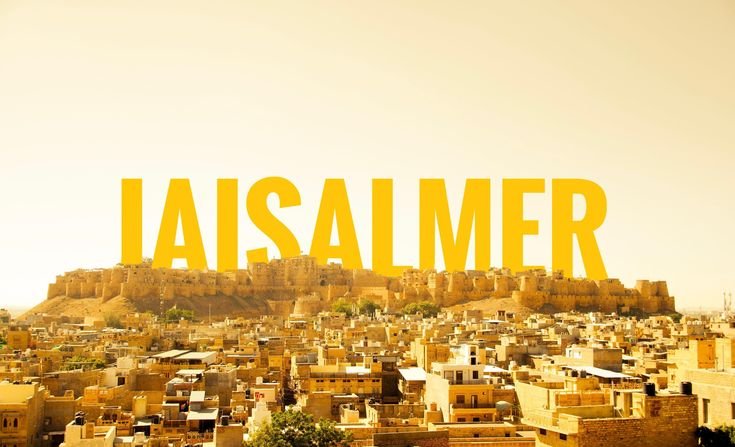
At the center of the city stands the majestic Jaisalmer Fort, also known as Sonar Quila or the Golden Fort. Built in 1156 AD by Rawal Jaisal, it is a UNESCO World Heritage site that breaks the mold of traditional Indian forts. Unlike other structures that serve only as museums, nearly one-fourth of the city’s old population still resides within these golden walls. As you walk through the narrow, winding lanes, you will encounter ancient houses, bustling shops, and vibrant cafes, all coexisting within a structure that has stood for nearly a millennium. The fort’s 99 bastions offer a panoramic view of the city, especially during sunset when the sandstone turns a deep, fiery gold.
Architectural Marvels and Havelis
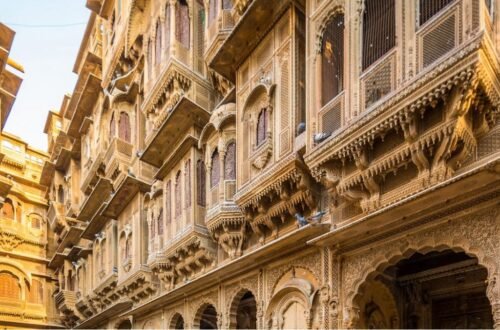
Beyond the fort, the city is famous for its intricately carved merchant mansions known as Havelis. These structures represent the immense wealth Jaisalmer once held as a major stop on the Silk Route. Patwon ki Haveli is perhaps the most famous, featuring a cluster of five small havelis with delicate stonework that resembles lace more than rock. Salim Singh ki Haveli and Nathmal ki Haveli also showcase the peak of Rajput craftsmanship. Exploring these sites as part of a Jaisalmer sightseeing tour allows you to witness the detailed lattice windows (jharokhas) and balconies that allowed residents to peer out while keeping the desert heat at bay.
The Serenity of Gadisar Lake
Historically the only source of water for the city, Gadisar Lake is now a peaceful retreat for travelers. Surrounded by ornate shrines and ghats, the lake is best experienced via a quiet boat ride at sunrise. The Tilon-ki-Pol, a magnificent gateway spanning the entrance to the lake, offers a picturesque backdrop for photographers. During the winter months, the lake also becomes a haven for migratory birds, adding a touch of nature to the arid desert landscape.
Adventures in the Thar Desert
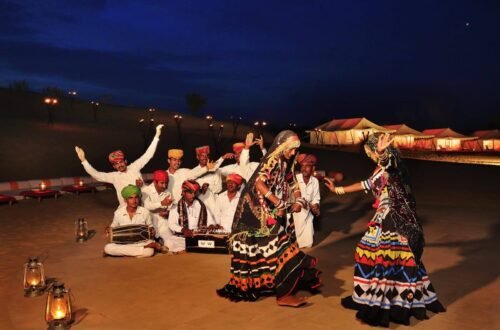
No visit to the Golden City is complete without venturing into the dunes. The Sam Sand Dunes, located about 45 kilometers from the main city, offer the classic desert experience. Here, you can enjoy camel safaris that take you deep into the rolling mounds of sand or opt for a high-octane jeep safari. For those looking for a quieter, more authentic rural experience, the Khuri Sand Dunes provide a serene alternative with fewer crowds. Most desert camps include a cultural evening featuring Kalbelia folk dance and Manganiyar music, allowing you to immerse yourself in the local traditions under a starlit sky.
Navigating the Golden City with Ease
Jaisalmer’s layout consists of narrow streets and specific tourist hubs spread across the desert landscape. To maximize your time and ensure comfort, securing a dependable Cab service in Jaisalmer is highly recommended. Having a local driver who understands the terrain and the best times to visit specific landmarks ensures you don’t miss hidden gems like the Royal Cenotaphs at Bada Bagh or the “ghost village” of Kuldhara. Professional transport services provide the flexibility to move between the city’s historical center and the distant desert camps without the stress of navigating unfamiliar routes.
A Taste of the Desert: Rajasthani Cuisine
Jaisalmer’s culinary scene is a reflection of its environment. Since fresh vegetables were traditionally scarce, the local cuisine relies heavily on dried beans, berries, and dairy. You must try “Ker Sangri,” a unique dish made from desert beans and berries, and “Gatte ki Sabzi,” consisting of gram flour dumplings in a spicy yogurt gravy. For non-vegetarians, the fiery “Laal Maas” is a signature mutton curry that captures the bold flavors of Rajasthan. Don’t forget to end your meal with “Ghotua Laddoo,” a local sweet that has been a Jaisalmer specialty for generations.
Best Time to Visit and Travel Tips
The ideal time to visit Jaisalmer is between October and March. During these winter months, the weather is pleasant for daytime exploration, though nights in the desert can get surprisingly chilly. If you visit in February, you might catch the Jaisalmer Desert Festival, a vibrant three-day event showcasing camel races, turban-tying competitions, and incredible folk performances. Always remember to carry sunscreen, a hat, and plenty of water, as the desert sun remains strong even in the cooler months.
Jaisalmer is a city that rewards those who take the time to look past the sand and into its soul. Whether you are marvelling at the carvings of an 800-year-old temple or sleeping under the stars in a desert camp, the Golden City leaves an indelible mark on every traveler’s heart.