North India is a land of profound contrasts, where ancient traditions coexist with a rapidly modernizing world. From the snow-capped peaks of the Himalayas to the golden sands of the Thar Desert, this region offers travelers an immersive experience unlike any other. Whether you are seeking spiritual enlightenment, architectural marvels, or a deep dive into culinary history, North India provides an endless array of opportunities to explore. Planning a journey through this vast landscape requires a balance of logistical precision and an openness to the vibrant, often chaotic energy that defines the local culture.
Starting Your Journey in the National Capital
Delhi serves as the primary gateway for most international and domestic travelers. As a city that has been destroyed and rebuilt seven times, it acts as a living museum of Indian history. In Old Delhi, the narrow lanes of Chandni Chowk offer a sensory explosion of spices, street food, and traditional commerce, anchored by the formidable Red Fort and the Jama Masjid. In contrast, New Delhi features wide, tree-lined boulevards and monumental structures like India Gate and Rashtrapati Bhavan, reflecting the colonial era’s architectural influence. For those looking to begin their adventure with professional guidance, booking an india tour package from delhi ensures that you navigate the capital’s complexities while hitting all the major historical highlights.
The Architectural Splendor of Agra and the Taj Mahal
No travel guide to North India is complete without mentioning Agra, home to the Taj Mahal. This ivory-white marble mausoleum, commissioned by Emperor Shah Jahan in memory of his beloved wife Mumtaz Mahal, is widely considered the pinnacle of Mughal architecture. Beyond the Taj, the Agra Fort and the nearby “ghost city” of Fatehpur Sikri offer further insight into the artistic and political height of the Mughal Empire. Visiting these sites at sunrise or sunset is highly recommended to witness the changing colors of the marble and to avoid the heaviest crowds of the day.
Exploring the Royal Heritage of Rajasthan
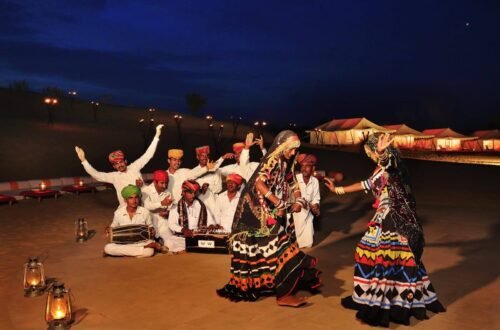
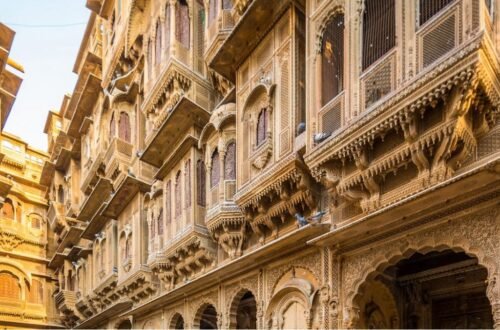
West of Delhi lies Rajasthan, the “Land of Kings.” This desert state is famous for its massive hill forts, opulent palaces, and vibrant festivals. Jaipur, the Pink City, is the first stop for many, known for the Hawa Mahal and the stunning Amber Fort. Further west, Jodhpur’s blue-painted houses sit in the shadow of the Mehrangarh Fort, while Jaisalmer rises out of the desert like a giant sandcastle. Udaipur, often called the City of Lakes, offers a more romantic atmosphere with its shimmering waters and marble palaces. Navigating these vast distances across the desert can be challenging, but a comprehensive north india tour package from delhi can help streamline the transit between these iconic cities, allowing more time for cultural immersion.
Spiritual Immersion in Varanasi and Rishikesh
For travelers seeking the spiritual heart of India, the banks of the Ganges River are essential destinations. Varanasi is one of the oldest continuously inhabited cities in the world and is considered the holiest site for Hindus. Witnessing the evening Ganga Aarti—a ritual of fire and chanting—at the Dashashwamedh Ghat is a transformative experience. Further North India, where the river emerges from the mountains, lies Rishikesh. Known as the “Yoga Capital of the World,” it offers a more serene environment focused on meditation, wellness, and adventure sports like white-water rafting.
The Serenity of the Himalayan Foothills
The northernmost reaches of India transition into the breathtaking scenery of the Himalayas. Destinations like Shimla and Manali have long been popular for their colonial charm and cool mountain air. For those willing to venture further, the high-altitude desert of Ladakh offers a starkly beautiful landscape of stark mountains and turquoise lakes. This region is heavily influenced by Tibetan Buddhism, visible in the numerous monasteries perched on rocky outcrops. The summer months are the ideal time to visit these high-altitude areas when the mountain passes are clear of snow.
Practical Tips for North India Travel
Traveling through North India is most comfortable during the winter months, from October to March, when the weather is pleasant and dry. The summer months (April to June) can bring extreme heat, while the monsoon season (July to September) brings heavy rains that can sometimes disrupt travel plans. It is always wise to dress modestly, especially when visiting religious sites, and to stay hydrated. While the region is well-connected by an extensive railway network and domestic flights, having a reliable travel partner like Namaste India 24 can make the logistical aspects of the trip much smoother, from securing train tickets to arranging private transport.
Culinary Highlights of the North India
The food of North India is as diverse as its geography. From the rich, buttery curries and tandoori meats of the Punjab region to the spicy, lentil-based dishes of Rajasthan, every stop offers a new flavor profile. Street food is a major part of the culture; however, travelers should be cautious and choose vendors with high turnover. Sampling local specialties like Malai Kofta in the cities or steaming plates of Momos in the mountain towns is a vital part of the travel experience. By embracing the local customs and flavors, visitors leave North India not just with photographs, but with a profound appreciation for one of the world’s most vibrant cultures.