Finding the perfect vantage point to watch the sun dip below the horizon is a rite of passage for any traveler in the Golden City. While the dunes often steal the spotlight, there is a soulful, rhythmic quietude found at the water’s edge that offers a completely different perspective. As a premier tour operator in Jaisalmer, we often guide our guests toward Gadisar Lake for an evening that balances historical grandeur with the living traditions of Rajasthan. Built in the 14th century by Maharawal Gadsi Singh, this man-made reservoir was once the only source of water for the entire city. Today, it serves as a cultural sanctuary where the golden sandstone of the surrounding shrines reflects perfectly on the shimmering surface of the lake.
The Architecture of Serenity at Gadisar Lake
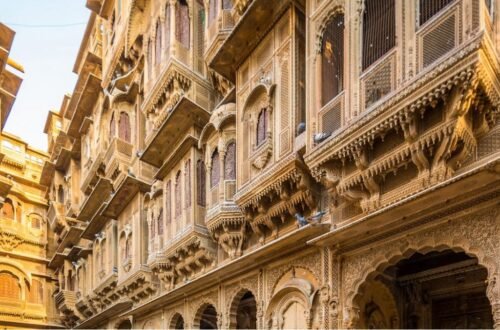
Approaching the lake, you are greeted by the Tilon-ki-Pol, a magnificent yellow sandstone gateway that arches over the entrance. Legend has it that a royal courtesan built this gate, and its intricate carvings set the tone for the artistic heritage you are about to witness. Walking along the ghats, you’ll notice a series of small temples and shrines dedicated to various deities, each featuring the delicate jaali work Jaisalmer is famous for. The lake is particularly enchanting during the winter months when migratory birds from Siberia find a temporary home here, adding a touch of wild nature to the architectural beauty. For those looking for a quiet moment of reflection before the evening’s festivities begin, finding a spot on the stone steps offers a front-row seat to the changing colors of the sky.
Puppetry and the Art of Rajasthani Storytelling
As the light begins to soften, the sounds of the lake change. Beyond the gentle splashing of oars, you will likely hear the distinct whistle of a “Kathputli” master. Puppetry is not just entertainment here; it is a centuries-old oral history passed down through generations of the Bhat community. Near the lake, and within the nearby desert cultural center, these wooden puppets come to life. Clad in vibrant bandhani fabrics and glittering sequins, the puppets recount tales of brave Rajput kings, legendary lovers, and local folklore. The jerky, rhythmic movements of the puppets, controlled by invisible strings and accompanied by a dholak drum, create an atmosphere of childlike wonder. It is a raw, tactile form of art that reminds visitors of the desert’s rich storytelling tradition which continues to thrive despite the digital age.
The Magic of the Sunset Cultural Program in Jaisalmer
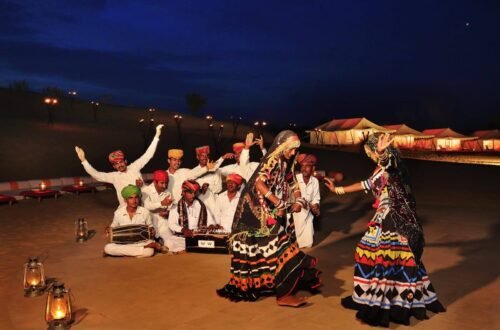
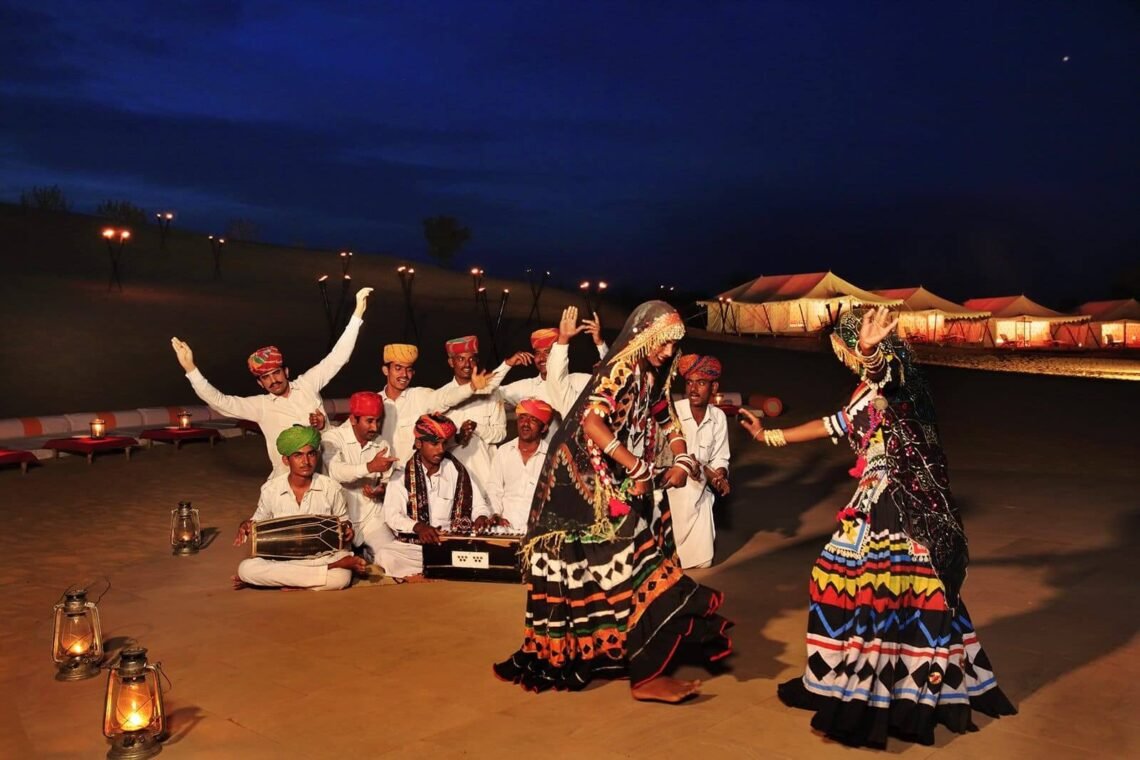
When the sun reaches the horizon, the lake transforms into a stage for the Sunset Cultural Program in Jaisalmer. This experience is designed to immerse you in the sensory delights of the Thar. Local musicians, often belonging to the Manganiyar or Langa communities, gather to perform soul-stirring folk music. The sounds of the Kamaicha, a rare bowed instrument made of mango wood and goat skin, echo across the water. These melodies are often haunting and powerful, telling stories of the monsoon, the shifting sands, and the resilience of desert life. Watching the orange orb of the sun disappear behind the carved chhatris while a Kalbelia dancer performs with hypnotic grace is an experience that stays with you long after you leave the city limits.
Folk Music: The Heartbeat of the Desert
Rajasthani folk music is the literal heartbeat of Jaisalmer. At Gadisar Lake, this music feels more intimate than at the larger desert festivals. You might hear the “Khartal,” a percussion instrument made of wood and metal, played with such speed and precision that it sounds like a galloping horse. The singers possess a vocal range that is nothing short of extraordinary, reaching high pitches that seem to pierce the desert air. For the traveler, sitting on the cool stone ghats and listening to these ancient ragas provides a deep sense of connection to the land. It is a moment where time feels irrelevant, and the only thing that matters is the harmony between the environment and the artist.
Escaping the Crowds for a Deeper Connection
While Gadisar Lake offers a beautiful cultural introduction, many travelers seek a more secluded encounter with the Thar Desert. If you find yourself craving a night under the stars far away from the commercial tourist hubs, an Overnight Non Touristic Safari Jaisalmer is the ideal next step. This allows you to transition from the structured beauty of the lake to the raw, untamed elegance of the dunes. Instead of crowded campsites, you experience the desert as it was meant to be seen—quiet, vast, and profoundly peaceful. You can enjoy a simple meal cooked over a wood fire and sleep under a canopy of stars that are invisible from the city, providing a perfect contrast to the vibrant evening at the lake.
Practical Tips for Your Evening at Gadisar Lake
To make the most of your visit, we recommend arriving at the lake at least an hour before sunset. This gives you ample time to take a boat ride—either a pedal boat or a rowboat—to the center of the lake. Seeing the temples from the water offers a unique perspective on their construction and the way they seem to float on the surface. Don’t forget to bring some small change if you wish to tip the local musicians or puppet performers, as this directly supports their craft and ensures these traditions survive. The walk back toward the fort after dark is equally pleasant, as the local markets begin to glow with lanterns and the scent of spicy street food fills the air.
Why Jaisalmer Stays in the Soul
Jaisalmer is a city that demands you slow down. Whether you are watching a puppet show at Gadisar Lake or trekking through the dunes on a camel, the city’s charm lies in its details. It is found in the way the light hits a carved balcony, the hospitality of a desert guide, and the haunting echo of a folk song. By choosing authentic experiences and supporting local artisans, you become part of the city’s ongoing story. The peace found at Gadisar Lake at twilight is a reminder that even in a world that is always moving, there are still places where history and beauty stand still.