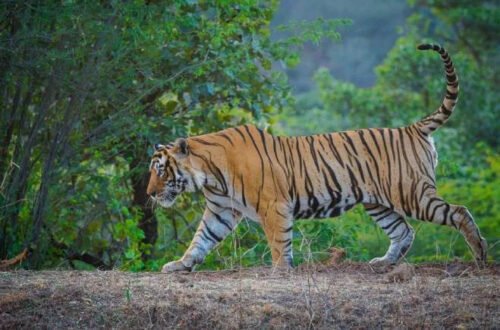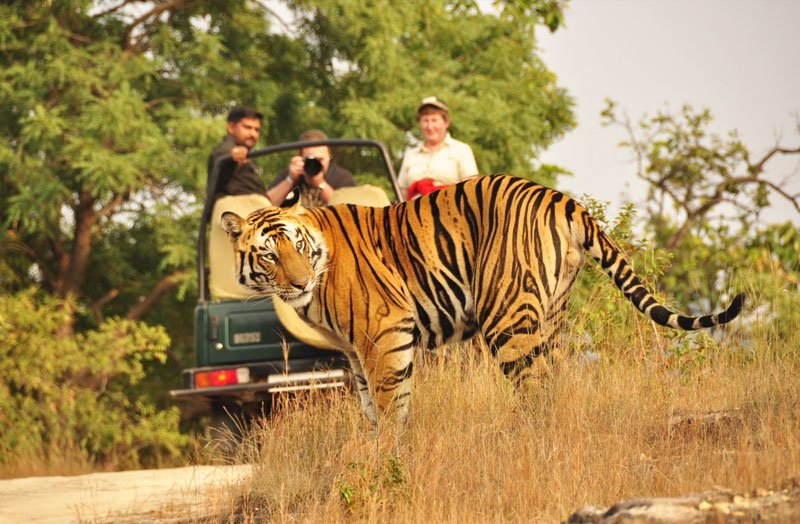
The thrill of a resort in Ranthambore lies in the anticipation of seeing a Royal Bengal Tiger in its natural habitat. Ranthambore National Park is one of the world’s most renowned locations for tiger sightings due to its unique dry deciduous forest and the visibility offered by its historical ruins. However, spotting a tiger is never a guarantee; it requires patience, sharp observation, and a deep understanding of the forest’s rhythm. By following expert advice and learning the signs of the wild, you can significantly increase your chances of a successful sighting during your visit.
Choosing the Right Safari Zone and Timing
Ranthambore is divided into ten distinct safari zones, and while tigers are present in all of them, the terrain varies. Zones 1 through 5 are traditionally considered the core areas where sightings are historically frequent, often centered around the park’s water bodies and the majestic Ranthambore Fort. Booking your jungle safari in Ranthambore in advance is crucial, as these zones fill up quickly. Timing also plays a massive role in tiger activity. Tigers are crepuscular, meaning they are most active during the dawn and dusk hours when the temperature is cooler. Morning safaris offer the chance to see tigers moving or marking their territory, while evening drives often find them heading toward watering holes as the sun sets.
The Benefits of a Smaller Vehicle
When planning your excursion, the choice of vehicle can impact your experience. A jeep safari in Ranthambore is often preferred by enthusiasts because the smaller, six-seater Gypsys are more maneuverable and quieter than the larger 20-seater canters. This allows for a more intimate connection with the forest. Jeeps can navigate narrower tracks and reach spots that larger vehicles might struggle to access. Being closer to the ground also provides a better angle for photography and a clearer view of tracks or pugmarks on the dusty trails.
Listen to the Language of the Forest
Experienced naturalists don’t just use their eyes; they use their ears. The forest has an intricate warning system. When a predator is on the move, prey animals like Chital (spotted deer), Sambar deer, and Langurs emit specific alarm calls. These calls are sharp, repetitive, and distinct from their usual vocalizations. A sudden silence in a previously noisy area or the frantic barking of a deer often indicates that a tiger is nearby. Staying quiet in your vehicle and allowing your guide to listen for these signals is often the difference between a missed opportunity and a legendary sighting.
Focus on Water Sources and Shadows
During the warmer months, especially from March to June, tigers stay close to water. Places like Padam Talao, Raj Bagh Talao, and Malik Talao become hotspots for activity. Tigers are excellent swimmers and often soak in the water to cool down. Even in the winter, they can be found lounging in the golden grass or hidden in the shadows of the Anogeissus pendula trees. Scanning the edges of the water and the thick brush rather than just looking at the road is essential. A flick of a tail or the twitch of an ear is often all that reveals a tiger camouflaged in the tall grass.
Look for Fresh Pugmarks and Scat
Tigers are territorial and often travel along the same paths used by safari vehicles. One of the first things a guide looks for on the trail is fresh pugmarks. If the edges of the footprint are sharp and the dust hasn’t settled back into the depression, the tiger likely passed by very recently. Similarly, fresh scat or “spray” on the trees (used for marking territory) can tell a guide how close the animal might be. This detective work is a vital part of the safari experience, turning a simple drive into an engaging wildlife tracking adventure.
Maintain Patience and Ethical Distance
The most important tip for any wildlife enthusiast is patience. Sometimes, guides will choose to wait at a specific spot for an hour or more because they have a “hunch” based on alarm calls or previous sightings. Rushing from one zone to another often results in missing the action. Furthermore, respecting the animal’s space is paramount. A tiger that feels crowded may retreat into the thicket. By maintaining a quiet demeanor and following the instructions of your park ranger, you ensure the tiger remains comfortable, which often leads to longer, more relaxed viewing sessions.
Wear Subtle Colors and Carry Binoculars
To blend into the environment, it is best to wear earthy tones like olive green, khaki, or tan. Bright colors can be distracting to wildlife and may prevent them from approaching the road. Additionally, even if a tiger is spotted, it might be at a distance across a valley or lake. High-quality binoculars are an essential tool for every visitor. They allow you to observe the fine details of the tiger’s stripes and its powerful expressions without needing to be physically close.
Documenting the Moment
While everyone wants the perfect photograph, remember to take a moment to look away from the viewfinder. Seeing a tiger with your own eyes is a primal and moving experience that a screen cannot fully capture. If you are taking photos, ensure your flash is off and your camera’s shutter is set to a quiet mode if possible. The memories of the tiger’s amber eyes and its silent, heavy gait will stay with you long after you leave the rugged landscapes of Ranthambore. Respecting the park rules ensures these magnificent creatures continue to thrive for generations to come.