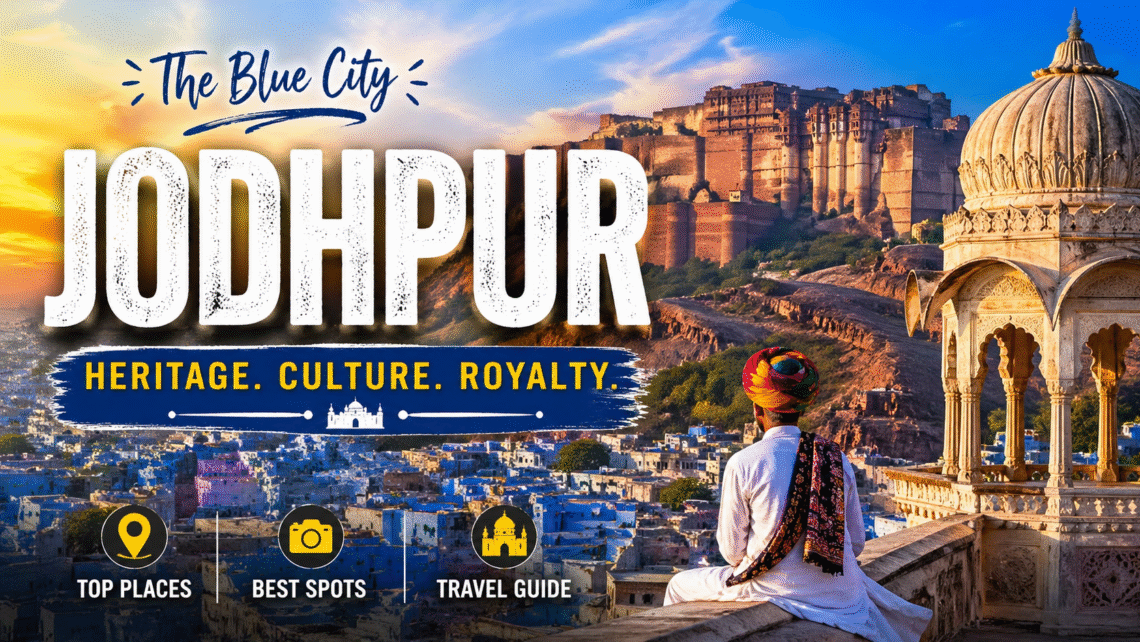
Jodhpur, famously known as the “Blue City,” stands as a magnificent gateway to the Thar Desert. Founded in 1459 by Rao Jodha, this city is a mesmerizing blend of royal history, vibrant culture, and architectural brilliance. The sight of indigo-colored houses huddled around the massive Mehrangarh Fort creates a visual spectacle that has captivated travelers for centuries. Whether you are a history buff, a food lover, or a photography enthusiast, Jodhpur offers an immersive experience that feels like stepping back into the era of the Rajputana.
Iconic Landmarks and Historical Marvels
The skyline of Jodhpur is dominated by the Mehrangarh Fort, one of the largest and most well-preserved fortifications in India. Rising 400 feet above the city, its thick walls enclose several palaces featuring intricate carvings and expansive courtyards. Inside the fort museum, visitors can explore a vast collection of palanquins, royal cradles, and armory. Just a short walk from the fort lies Jaswant Thada, a graceful marble cenotaph built in memory of Maharaja Jaswant Singh II. Often referred to as the “Taj Mahal of Marwar,” its thin sheets of polished marble emit a warm glow when hit by the sun.
Further east, the Umaid Bhawan Palace represents the pinnacle of 20th-century luxury. As one of the world’s largest private residences, it is divided into a royal home, a luxury hotel, and a museum showcasing vintage cars and royal memorabilia. To ensure you cover these sprawling sites comfortably, many travelers prefer to book a reliable cab taxi service in jodhpur to navigate between the hilltop fort and the city’s various palaces without the hassle of local traffic.
Exploring the Blue City and Vibrant Markets
The true soul of Jodhpur resides in the narrow, winding lanes of the old city. These alleys are lined with houses painted in varying shades of blue, a tradition originally started by Brahmins to keep houses cool and deter insects. Walking through the Navchokiya area allows you to witness local life up close, with children playing in the streets and artisans working on traditional crafts.
At the heart of the city stands the Ghanta Ghar, or Clock Tower, surrounded by the bustling Sardar Market. This is the ultimate destination for those looking to buy authentic Rajasthani textiles, hand-embroidered leather shoes (mojaris), and aromatic spices. The market is also a great place to sample local flavors, such as the famous Makhaniya Lassi or spicy Mirchi Badas. For a seamless day of exploration, a planned jodhpur sightseeing tour can help you discover these hidden gems and major landmarks in a structured manner.
Rich Culture and Culinary Traditions
The culture of Jodhpur is deeply rooted in the Marwari tradition, characterized by warm hospitality and a love for celebrations. The people of Jodhpur are known for their colorful attire, with men often wearing traditional turbans (safas) and women in vibrant ghagra-cholis. Music and dance play a vital role in their lives, especially during festivals like the Marwar Festival, which showcases the folk music and dance of the region.
The culinary scene is equally rich. Jodhpur is a paradise for those with a sweet tooth, offering delicacies like Mawa Kachori and Ghevar. On the savory side, the Rajasthani Thali, featuring Dal Bati Churma and Ker Sangri, provides an explosion of flavors. Street food stalls around the Clock Tower are legendary, serving hot Pyaaz Kachoris that remain a favorite among locals and tourists alike.
Essential Travel Tips for Visitors
Planning a trip to Jodhpur requires a bit of timing and preparation to ensure the best experience. The weather plays a significant role in your comfort, so keep the following tips in mind:
- Best Time to Visit: The ideal months are from October to March when the weather is pleasant. Summers (April to June) can be scorching, with temperatures often exceeding 40°C.
- What to Pack: Light cotton clothing is best for the daytime, but if you are visiting in December or January, carry a light jacket for the cool mornings and evenings.
- Navigation: While the old city is best explored on foot, reaching distant attractions like Mandore Gardens or Kaylana Lake is much easier with a dedicated vehicle.
- Photography: Most monuments charge a small fee for cameras. Always ask for permission before taking photos of local residents, especially in the residential blue alleys.
Beyond the City Limits
If you have an extra day, consider visiting the Mandore Gardens, located about 9 kilometers from the city center. This site was the ancient capital of Marwar before Jodhpur was built. It features high-rock terraces and beautiful “dewals” (cenotaphs) of Jodhpur’s former rulers. Another unique experience is the Bishnoi Village Safari, where you can learn about the eco-friendly lifestyle of the Bishnoi community and spot local wildlife like blackbucks and migratory birds.
Jodhpur is a city that stays with you long after you leave. Its blend of rugged fortresses, delicate marble monuments, and the simple charm of its blue-washed streets creates a unique atmosphere that is both royal and relatable. By planning your itinerary well and utilizing local transport services, you can truly soak in the majesty of the Sun City.