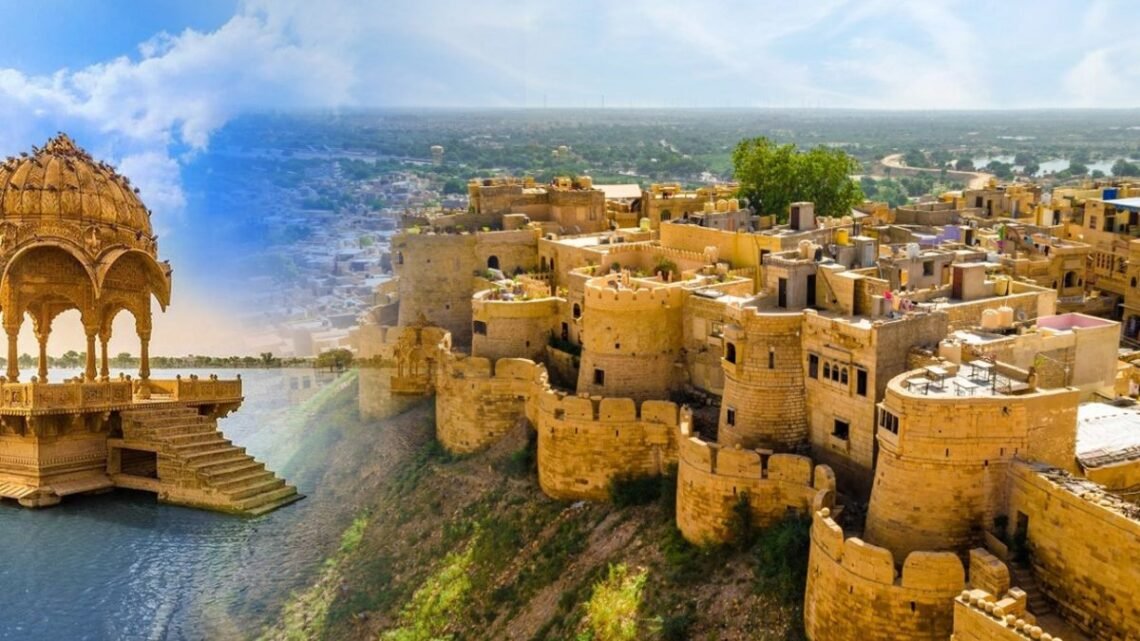
Jaisalmer, often referred to as the “Golden City,” stands as a sentinel of history amidst the shifting sands of the Thar Desert. For travelers seeking an authentic Rajasthani experience, finding a reputable camp in jaisalmer is the first step toward a memorable journey. This curated itinerary is designed to help you navigate the intricate balance of heritage exploration and desert tranquility over a span of three days. By focusing on historical accuracy and local insights, this guide ensures that your time in the desert is spent efficiently, capturing the essence of Jaisalmer’s unique yellow sandstone architecture and vibrant cultural tapestry.
Day 1: The Living Fort and Architectural Marvels
The journey begins at the Sonar Qila, or Jaisalmer Fort. Unlike many other forts in India, this is a living monument, housing nearly one-fourth of the old city’s population. Walking through its narrow, winding lanes feels like stepping back into the 12th century. To truly appreciate the craftsmanship, one must visit the Raj Mahal and the ornate Jain Temples located within the fort walls. These structures represent the pinnacle of Dilwara-style architecture, featuring intricate carvings that have survived centuries of desert winds.
After exploring the fort, a short walk leads to Patwon Ki Haveli. This is not just one house but a cluster of five grand havelis built by a wealthy brocade merchant. The stone lattice work here is so fine that it often resembles delicate lace rather than solid rock. Understanding the history of these merchant families provides a deeper context for the city’s former status as a major trading hub on the Silk Road. As the sun begins to set, Gadisar Lake offers a peaceful retreat. Originally a water conservation reservoir, it is now surrounded by small temples and shrines, making it a perfect spot for photography and quiet reflection.
Day 2: Cultural Immersion and Desert Thrills
On the second day, the focus shifts from the stone corridors of the city to the expansive dunes of the Thar. Before heading into the desert, a stop at Vyas Chhatri is essential. This collection of golden sandstone cenotaphs serves as a memorial to the great sage Vyas and offers a panoramic view of the fort. It is a site that commands respect and provides a quiet moment to contemplate the region’s spiritual heritage.
By mid-afternoon, the transition to the dunes begins. This is where the landscape transforms into a playground for those seeking adventure activities in jaisalmer. From the rhythmic sway of a camel safari to the high-energy pulse of jeep dune bashing, the desert offers a spectrum of engagement. A professional desert camp provides the necessary expertise to navigate these sands safely, ensuring that the thrill of the dunes is matched by professional standards of service. As twilight approaches, find a high ridge to witness the desert sunset—a spectacle where the sky bleeds into shades of orange and purple, mirroring the golden hues of the sand.
Day 3: Heritage Villages and Departure
The final morning is best spent visiting the abandoned village of Kuldhara. Local legends and historical records tell the story of the Paliwal Brahmins who fled the village overnight to protect their honor. Walking through the ruins offers a haunting yet fascinating look at medieval rural planning and water management systems. It serves as a stark reminder of the resilience and the secrets held by the Rajasthan landscape.
For those traveling with a partner, many find that a 02 Night 03 Days Couple Package provides the ideal structure for this trip, balancing the logistical needs of travel with the privacy required for a romantic getaway. Before departing, a visit to the local markets to pick up authentic leather goods or hand-embroidered textiles allows you to take a piece of the Golden City home with you. This three-day plan ensures that you leave Jaisalmer not just with photos, but with a genuine understanding of its history, people, and the timeless beauty of the Thar Desert.
Why Expert Guidance Matters in the Thar
Navigating Jaisalmer requires more than just a map; it requires an appreciation for the local ecosystem and cultural nuances. Choosing a camp that prioritizes guest safety and cultural integrity is paramount. Trustworthy operators ensure that folk performances are authentic, food is prepared with local hygiene standards, and desert excursions are led by experienced guides who respect the fragile desert environment. By following this structured tour plan, travelers can engage with Rajasthan in a way that is both authoritative and deeply personal, ensuring every moment in the Golden City is well-spent.