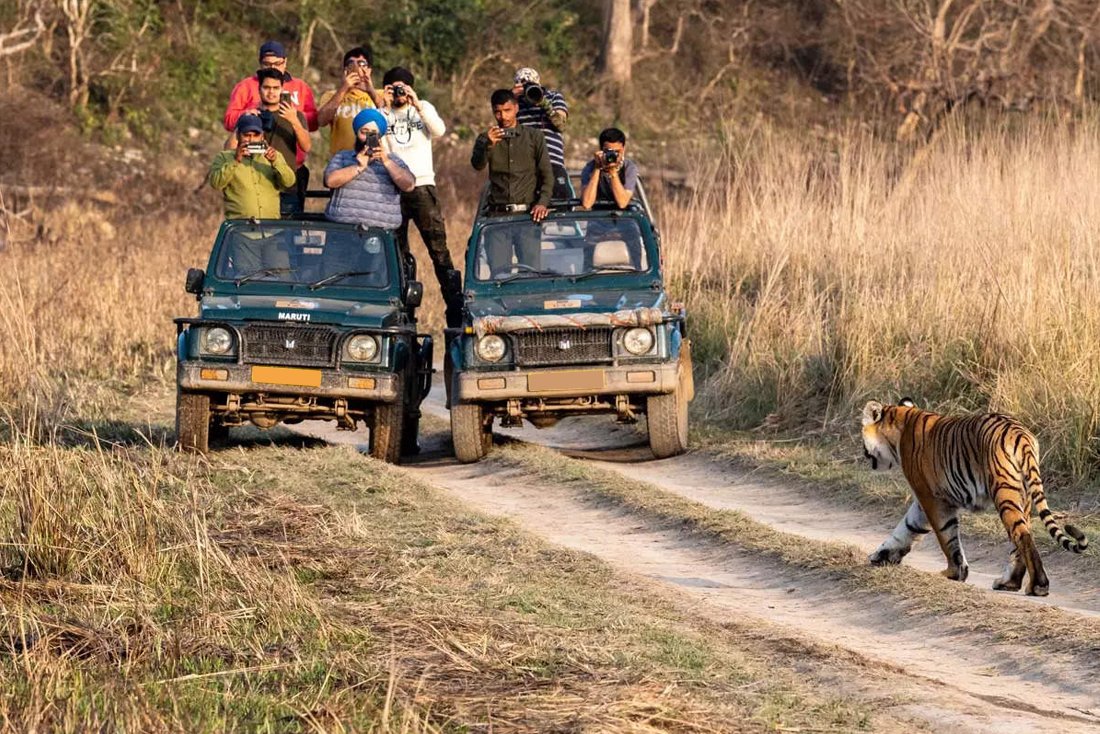
Stepping into the rugged terrain of Rajasthan’s most famous wildlife sanctuary feels like entering a living, breathing chronicle of nature’s raw power. Finding the perfect resort in ranthambore is the first step toward an unforgettable adventure where luxury meets the wild. The park is not just a forest; it is a historical landscape where ancient ruins and apex predators coexist. Whether you are a seasoned photographer or a family looking for a weekend escape, the allure of the Bengal tiger draws thousands to these golden grasslands every year.
The Thrill of the Royal Bengal Tiger
The heartbeat of Ranthambore is undoubtedly the tiger. Unlike many other dense jungles in India, the dry deciduous habitat here provides exceptional visibility. Watching a tiger prowl through the grass or cool off in the Rajbagh Lake is a spiritual experience for wildlife enthusiasts. The park has gained international fame for its “diurnal” tigers, meaning they are active during the day, offering visitors a high probability of a sighting. Each tiger here has a story, a lineage, and a territory that they defend with fierce majesty, making every safari a unique chapter in a much larger story.
Navigating the Ranthambore Safari Zone System
To manage conservation and provide a structured experience for tourists, the park is divided into specific sectors. Choosing the right Ranthambore safari zone is essential for those looking to maximize their chances of spotting the elusive big cat. There are ten zones in total, each offering a distinct landscape ranging from steep hills and narrow valleys to open lakeside vistas. While zones 1 through 5 are traditionally considered the “core” areas with historical sightings, zones 6 through 10 offer stunning landscapes and frequent sightings of leopards, sloth bears, and striped hyenas. Understanding the topography of these zones helps visitors appreciate the immense biodiversity that the park supports beyond just the tigers.
Planning Your Journey: From the Pink City to the Wild
Many travelers combine their cultural exploration of Rajasthan with a wildlife retreat. Organizing a jaipur to ranthambore tour is the most popular way to transition from the architectural marvels of the Pink City to the rustic charm of the jungle. The drive itself is a transition through rural India, passing mustard fields and local villages before arriving at the gates of the reserve. This journey allows for a seamless blend of heritage and nature, ensuring that your Rajasthani experience is comprehensive and well-rounded.
More Than Just Tigers: Biodiversity and Flora
While the big cats take center stage, Ranthambore is a birdwatcher’s paradise and a botanist’s delight. The park is home to over 300 species of birds, including the crested serpent eagle, painted stork, and the bronze-winged jacana. The flora is dominated by the ‘Dhok’ tree, which turns a lush green during the monsoons and a stark, beautiful silver during the dry summer months. The presence of one of the largest banyan trees in India near the Jogi Mahal is a testament to the ancient ecosystem that has flourished here for centuries. Every turn in the trail reveals something new, from a marsh crocodile basking in the sun to a spotted deer alerting the forest of a predator’s presence.
The Architectural Heritage of Ranthambore Fort
Perched high above the park is the UNESCO World Heritage site, the Ranthambore Fort. Built in the 10th century, this formidable structure provides a panoramic view of the entire sanctuary. The fort is home to the famous Trinetra Ganesha Temple, which attracts pilgrims from all over the country. Walking through the fort’s massive gates, visitors can see the intersection of history and nature, as langurs play on the ramparts and vultures soar over the battlements. It serves as a reminder that this land was once a royal hunting ground, now transformed into a sanctuary for preservation.
Seasonal Guide for the Best Experience
The timing of your visit significantly impacts your experience. The park remains open from October to June. The winter months (October to March) offer pleasant weather, making long safaris comfortable, though the mornings can be quite chilly. As the heat intensifies from April to June, the vegetation thins out and water sources dry up, forcing animals to frequent the remaining water holes. This period is often preferred by serious photographers who are willing to brave the heat for the best possible wildlife shots.
Sustainable Tourism and Conservation Efforts
Visiting Ranthambore comes with a responsibility to respect the delicate balance of the ecosystem. The Forest Department works tirelessly to ensure that tourism does not infringe upon the natural behaviors of the wildlife. By staying at eco-conscious resorts and following park regulations—such as maintaining silence and not littering—tourists play a vital role in the continued protection of the Bengal tiger. The revenue generated from tourism goes directly into village relocation programs and anti-poaching initiatives, ensuring that the magic of Ranthambore remains alive for generations to come.
Essential Tips for Your Wildlife Safari
To make the most of your trip, it is advisable to book your safaris well in advance, as permits are limited and in high demand. Wearing neutral colors like khaki, olive green, or brown helps you blend into the surroundings. Don’t forget to carry high-quality binoculars and a camera with a good zoom lens. Most importantly, enter the forest with patience; the jungle does not operate on a schedule. Sometimes the quietest moments, spent observing a kingfisher or listening to the alarm calls of a sambar deer, are just as rewarding as a tiger sighting itself.