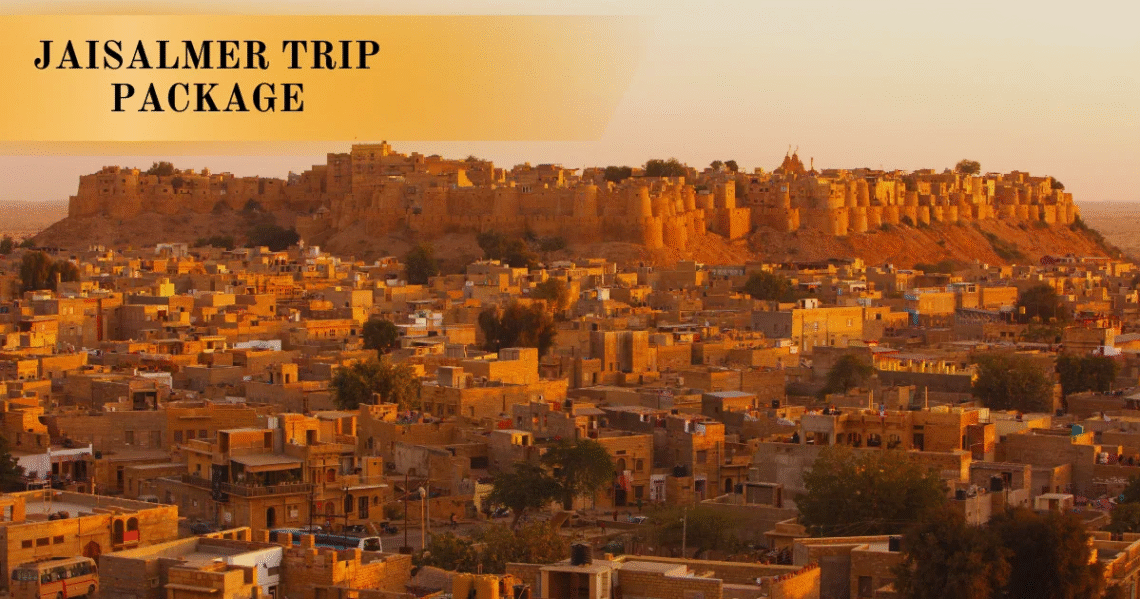
Planning a trip to the Golden City of Jaisalmer requires careful timing. Situated deep within the Thar Desert of Rajasthan, Jaisalmer experiences dramatic seasonal shifts ranging from pleasant winter days and crisp desert nights to scorching summer afternoons. Understanding these seasonal nuances ensures you pick the ideal month for dune exploration, fort visits, and luxury desert stays. As local hospitality experts who live and breathe the desert atmosphere every day at Magra Desert Camp, we have crafted this comprehensive guide to help you choose the best time to visit Jaisalmer based on weather, activities, and local events.
Winter Season (October to March): The Golden Peak Season
Winter is universally recognized as the best time to visit Jaisalmer. Between October and March, the blistering heat recedes, giving way to mild daytime temperatures ranging from 12°C to 28°C and chilly nighttime temperatures that can drop to 5°C.
Why Visit in Winter?
- Perfect Sightseeing Climate: The pleasant sun allows comfortable exploration of Jaisalmer Fort, Patwon Ki Haveli, Gadisar Lake, and Bada Bagh without experiencing heat fatigue.
- Thrilling Desert Safaris: Crisp air and stable sand dunes make sunset camel safaris and thrilling jeep dune bashing comfortable throughout the late afternoon.
- Starry Nights and Desert Evenings: Clear night skies during winter provide spectacular stargazing opportunities. Resting near a crackling bonfire after enjoying an authentic Culture dance in Jaisalmer remains one of the most memorable desert highlights.
- Desert Festival (Maru Mahotsav): Held annually in February, this iconic cultural festival features folk artists, turban-tying contests, camel races, and vibrant musical performances across the Sam Sand Dunes.
During these peak months, staying in luxury swiss tents in Jaisalmer offers an immersive experience combining traditional Rajasthani warmth with modern amenities like plush bedding, attached private bathrooms, and cozy heating setups for cold desert nights.
Summer Season (April to June): Off-Peak Desert Heat
Summertime transforms the Thar Desert into a intensely hot zone. Daytime temperatures frequently cross 42°C and can peak near 48°C during May and June. Dry heat and intense sun rays make outdoor sightseeing during mid-day virtually impossible.
What to Expect in Summer:
- Fewer Tourist Crowds: Historic monuments, heritage alleys, and desert vistas are quiet, offering complete solitude for intrepid travelers.
- Budget-Friendly Travel: Accommodations and local tour packages offer heavy discounts during these months.
- Short Evening Activities: Safaris are strictly limited to early mornings (before 8:00 AM) or late evenings (after 5:30 PM) when the desert sand begins to cool down.
If you plan to visit Jaisalmer during summer, ensure you drink plenty of fluids, wear light cotton clothing, use heavy sun protection, and plan all outdoor visits during early morning or sunset hours.
Monsoon Season (July to September): A Rare Desert Transformation
While Jaisalmer receives minimal average rainfall compared to the rest of Rajasthan, the monsoon months bring a slight reprieve from extreme summer heat. Temperatures typically linger between 25°C and 35°C with increased atmospheric humidity.
Unique Highlights of Monsoon in Jaisalmer:
- Refreshing Landscapes: Light rain showers wash the golden sandstone of Jaisalmer Fort, making the ancient architecture glow brightly. Short patches of desert vegetation bloom across the dunes.
- Firm Sand Dunes: Dampened sand creates firm terrain, making walking along the ripples of Sam Sand Dunes easier and uniquely refreshing.
- Peaceful Travel Experience: Tourist footfall remains low, providing a peaceful environment for couples and slow travelers looking for an authentic retreat.
Month-by-Month Weather Summary for Jaisalmer
- October: The tourist season begins. Days are warm, but evenings become delightfully cool.
- November: Exceptional weather with clear blue skies, mild afternoons, and ideal conditions for desert camping.
- December & January: Peak winter months. Days are sunlit and pleasant, while nights get genuinely cold—perfect for warm beverages around campfires.
- February: Home to the famous Jaisalmer Desert Festival. Ideal weather for outdoor cultural galas and daytime fort walks.
- March: The shoulder month closing out winter. Afternoons get warmer, but mornings and evenings remain agreeable.
- April to September: Warm to hot weather conditions suited mainly for budget-conscious travelers or brief heritage visits.
Expert Tips for Planning Your Jaisalmer Desert Stay
To maximize your trip comfort regardless of when you travel, consider these practical recommendations from our team at Magra Desert Camp:
- Book Peak Months in Advance: Winter months—especially December, January, and festival weeks in February—fill up quickly. Reserve your luxury tents and safari slots weeks ahead.
- Pack Layered Clothing: Winter days are warm enough for light cottons, but desert nights require woolen jackets, shawls, and warm socks.
- Choose the Right Location: Selecting an authentic camp in jaisalmer located away from city noise ensures direct access to untouched sand dunes, quiet stargazing, and genuine Rajasthani folk traditions.
By aligning your travel plans with Jaisalmer’s seasonal rhythm, you can fully appreciate the majestic forts, rich folk music, golden sunsets, and unforgettable desert landscapes of Rajasthan.