Unveiling the Wild Heart of the Thar Desert
When travelers think of Rajasthan, their minds often drift toward majestic forts, golden sandstone havelis, and endless expanses of shimmering sand. However, beneath the serene surface of the Thar Desert lies a thriving, fragile ecosystem home to surprisingly diverse wildlife. While traditional camel rides offer a classic, peaceful journey across the golden crests, adrenaline-driven explorers often ask: is a jeep safari worth it? For those seeking a dynamic mix of off-road excitement and deep natural exploration, the answer is a resounding yes. Taking a specialized 4×4 vehicle across the undulating terrain allows you to access remote dune corridors and protected sanctuary fringes that remain far out of reach for standard walking tours. At Rajwada desert camp, we frequently guide naturalists, photography enthusiasts, and adventure-loving families who want to experience the untamed spirit of the desert up close. This complete guide explores what makes an off-road wildlife tour so captivating, what creatures you can spot, and how to plan an unforgettable journey into the wild.
Why a 4×4 Off-Road Safari Outpaces Standard Tours
Exploring a vast desert ecosystem like the Thar requires covering significant distances across unpredictable ground. Dune bashing and wildlife tracking demand power, agility, and experienced local navigation. A robust open-top 4×4 jeep provides the perfect platform for traversing rolling ridges, dry riverbeds, and sparse shrublands safely. Beyond the immediate thrill of climbing steep sandy slopes and descending crests, an off-road tour gives you the speed and range needed to explore deeper wilderness zones. Unlike foot travel or slow treks, a jeep safari in Jaisalmer enables you to cover vast stretches of terrain during the critical dawn and dusk hours when desert fauna is most active. Modern 4×4 vehicles are tailored for low-impact dune driving driven by skilled local navigators who understand animal behavior, track prints in the sand, and respect sensitive natural habitats.
Rare Wildlife Species You Can Spot in the Desert
Contrary to common belief, the Thar Desert is far from empty. Bordering the famous Desert National Park, the landscape supports unique species perfectly adapted to extreme temperatures and arid surroundings.
- Chinkara (Indian Gazelle): The undisputed star of the Thar, these graceful gazelles can often be seen bounding effortlessly across sparse gravel plains and low vegetation zones.
- Desert Fox and Indian Fox: Known for their large ears and dense coats, these secretive canine predators hunt small rodents and lizards around early morning or late dusk.
- Desert Cat: An elusive predator that looks remarkably like a small domestic tabby but possesses incredible survival instincts tailored for harsh arid habitats.
- Spiny-Tailed Lizard (Sanda): Often spotted basking near their burrows during warmer daylight hours, these herbivorous reptiles play a vital role in the desert food web.
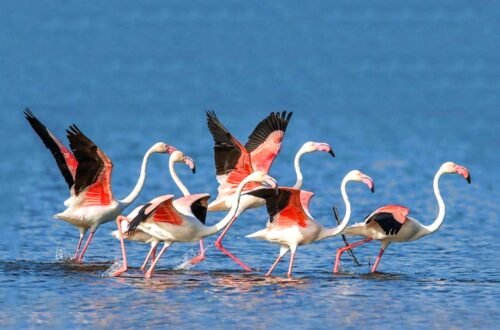
- Avian Marvels: Keep your binoculars ready for raptors like the Tawny Eagle, Laggar Falcon, and Eurasian Marsh Harrier, alongside winter migratory species. If you explore near sanctuary buffer zones, you might even catch a glimpse of the endangered Great Indian Bustard.
Jeep Safari vs. Camel Safari: Which Fits Your Style?
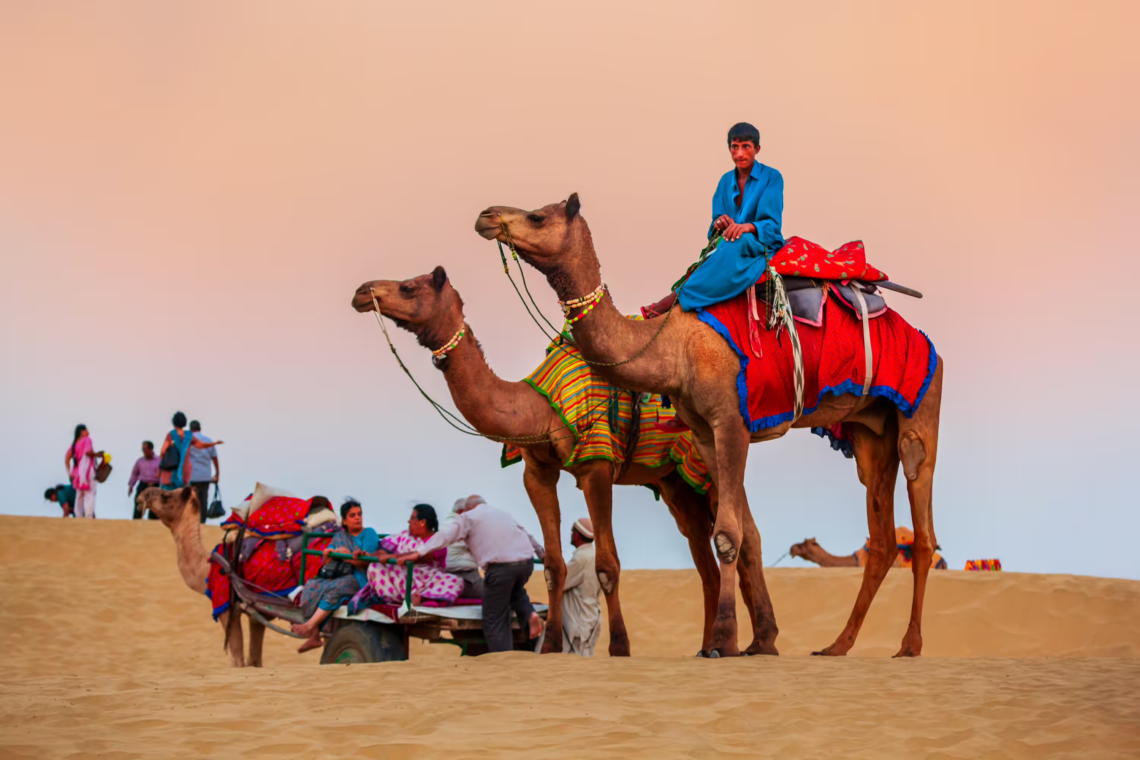
Choosing between modes of desert transportation depends on your travel goals, comfort preferences, and time constraints. A traditional camel safari in Jaisalmer provides a slow, rhythmic, and nostalgic way to soak in the silent expanse of golden sand. It remains ideal for quiet photography, dramatic sunset viewings, and experiencing historic desert travel as travelers did centuries ago. Conversely, an off-road jeep excursion offers high energy, ground coverage, and comfortable seating suitable for all age groups. It allows you to visit multiple terrain types—from high crest dunes to gravel scrublands—in a single morning or evening outing. Many seasoned visitors choose to combine both experiences: riding camels into the sunset and utilizing 4×4 jeeps for early morning wildlife tracking.
Essential Tips for a Safe and Rewarding Wildlife Tour
To get the most out of your desert expedition, proper planning and environmental awareness are essential:
- Choose the Right Time: Wildlife activity peaks during the early morning (6:00 AM to 8:30 AM) when temperatures are cooler, and late afternoon (4:30 PM to sunset) when animals emerge to feed.
- Dress Comfortably: Wear light, breathable cotton clothing in neutral tones like khaki, beige, or olive to blend into the environment without frightening animals. Bring a light jacket for chilly desert mornings.
- Carry Gear: Pack a good pair of binoculars, a camera with a telephoto lens, sunscreen, a hat, and plenty of drinking water in reusable bottles.
- Respect Natural Habitats: Always follow your driver’s instructions, remain inside the vehicle when tracking wildlife, avoid making sudden loud noises, and never leave litter behind in the dunes.
Staying at a Premium Desert Base
After an exhilarating day spent navigating dunes and tracking native wildlife, returning to a comfortable, well-managed base elevates your entire journey. Staying at a reputed camp in sam sand dunes allows you to pair daytime wilderness exploration with evening cultural hospitality. Guests at Rajwada desert camp enjoy royal Rajasthani folk performances, authentic local dining under starry skies, and luxurious Swiss tents equipped with modern amenities. Being located near the finest dune stretches ensures quick access to both wildlife safari routes and peaceful sunset spots, making your desert vacation seamless, safe, and truly unforgettable.