Rising from the golden sands of the Thar Desert, Jaisalmer is one of Rajasthan’s most evocative destinations. Known for its honey-colored sandstone architecture, living fort, intricately carved mansions, and expansive rolling dunes, this ancient Silk Road outpost offers a travel experience steeped in history and desert lore. Planning a trip here requires balancing the vibrant, compact heritage of the old city with the serenity and thrill of the surrounding desert.
This curated 3-day itinerary walks you through the best architectural landmarks, cultural highlights, and desert adventures for a seamless journey.
Day 1: The Living Fort and Regal Havelis of the Golden City
Morning: Exploring Sonar Qila (Jaisalmer Fort)
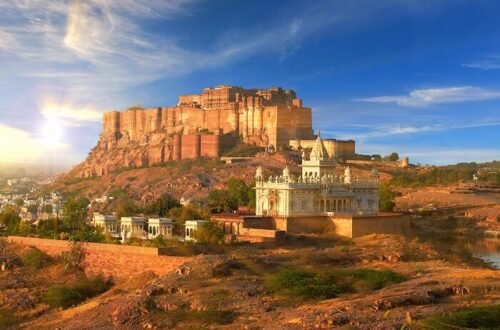
Begin your exploration at the crown jewel of the city, Jaisalmer Fort. Unlike most monumental forts across India, Sonar Qila is a living citadel where nearly a quarter of the old city’s population resides.
- The Royal Palace (Raj Mahal): Climb to the roof of the palace complex for sweeping panoramic views of the golden sandstone skyline.
- Jain Temples: Within the ramparts lie seven interconnected yellow sandstone Jain temples dating between the 12th and 16th centuries, renowned for their intricate ceiling carvings and sculpted pillars.
- The Alleys: Wandering through the narrow, cobbled alleys allows you to see everyday life unfolding amidst age-old architecture, local textile shops, and silver jewelers.
Afternoon: The Carved Splendor of Havelis
After lunch at a traditional rooftop restaurant, head down to explore the town’s historic merchant mansions.
- Patwon Ki Haveli: A cluster of five smaller havelis built by a wealthy brocade merchant family. It is the largest and most ornate mansion in Jaisalmer, featuring delicately chiseled jharokhas (balconies) and vintage artifacts.
- Nathmal Ki Haveli: Built by two architect brothers, this haveli is famous for its harmonious yet asymmetric stone carvings.
- Salim Singh Ki Haveli: Distinguished by its peacock-shaped roof brackets, this multi-story mansion provides a striking glimpse into 18th-century noble life.
Evening: Sunset at Gadisar Lake
Conclude your first day with a relaxed walk or a quiet rowboat ride around Gadisar Lake. Built in the 14th century as a rainwater conservation reservoir, it is framed by carved cenotaphs, arched gateways like Tilon Ki Pol, and visiting migratory birds during the cooler months.
Day 2: Desert Wilderness, Dunes, and Campsite Traditions
Morning: Historic Cenotaphs at Bada Bagh
Start day two with an early drive to Bada Bagh, situated about six kilometers outside the main town. This serene complex features royal cenotaphs (chhatris) built on a gentle ridge, honoring past rulers of the Bhatti dynasty. The play of morning light across the sandstone domes creates exceptional photographic opportunities.
Afternoon: Transition to the Thar Dunes
Leave the paved roads behind and journey toward the Sam Sand Dunes region. This is the ideal moment to check into a luxury desert camp in jaisalmer, where traditional Rajasthani hospitality meets contemporary desert living.
Opting to stay in well-appointed deluxe tents in jaisalmer gives you the comfort of modern attached bathrooms and comfortable bedding alongside the rustic charm of staying beneath the open desert sky.
- Jeep Dune Bashing: Take an adrenaline-filled ride across the shifting crests of the Thar.
- Camel Safari: Ride across the quiet dunes at dusk to watch the golden sand shift through shades of amber, copper, and deep crimson.
Evening: Cultural Performances and Desert Dining
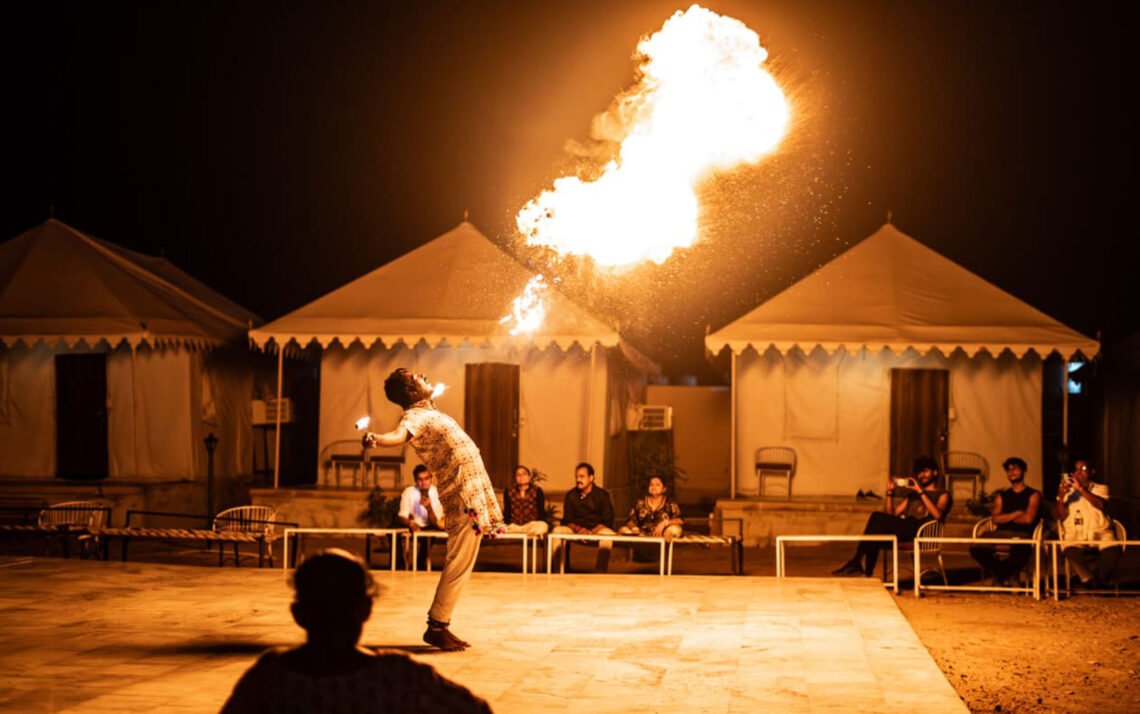
As night settles over the desert, camps come alive with warmth and music. Witness a lively culture event in jaisalmer featuring Kalbelia dancers, Manganiyar folk musicians, and traditional fire performances around a communal bonfire. Savor an authentic Rajasthani dinner featuring regional staples like Dal Baati Churma, Ker Sangri, and Gatte ki Sabzi under a canopy of stars. Magra desert camp provides an ideal base near the dunes to experience this blend of tranquility and festive desert spirit.
Day 3: Desert Legends, Border Heritage, and Local Markets
Morning: Kuldhara Abandoned Village
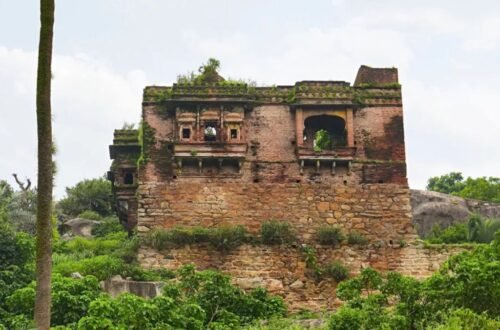
On your final day, take an excursion to Kuldhara, an eerie yet fascinating ghost village located southwest of the city. Abandoned overnight in the early 19th century by the Paliwal Brahmins to escape oppressive taxes, the remaining stone houses and temples offer a captivating look into centuries-old rural settlement planning.
Afternoon: Thar Heritage and Desert Culture Center
Return toward the city to visit the Thar Heritage Museum and the Desert Cultural Centre. These curated spaces display folk art, antique musical instruments, turbans, and rare coins, offering deep context into the resilience and traditions of desert communities.
Evening: Handicrafts and Souvenir Shopping
Spend your remaining hours browsing the vibrant bazaars of Jaisalmer, including Manak Chowk, Sadar Bazaar, and Bhatia Bazaar. Look for:
- Mirror-work textiles and embroidered quilts
- Handcrafted camel leather goods
- Local yellow sandstone carvings and decor items
- Rajasthani spices and dry snacks (namkeen)
Essential Travel Tips for Your 3-Day Jaisalmer Trip
- Best Time to Visit: The winter months between October and March offer pleasant daytime temperatures and cool desert evenings.
- Footwear: Wear comfortable slip-on walking shoes, as you will frequently take off footwear when visiting temples and cenotaphs.
- Hydration and Sun Protection: Desert sunshine remains strong year-round; carry adequate drinking water, sunglasses, and a wide-brimmed hat.
- Advance Bookings: Desert tents and popular guided tours fill quickly during peak season (November to January), making early reservations advisable.