Few experiences match the thrill of trading the relentless pace of the capital for the wild, ancient terrain of Rajasthan. Planning a wilderness expedition requires genuine on-the-ground knowledge, from mapping highway corridors to understanding seasonal wildlife movements. As travelers who have navigated every stretch between the National Capital Region and Sawai Madhopur across different seasons, we bring you this comprehensive field guide to ensure your journey from the city asphalt to the raw jungle is seamless, well-timed, and rewarding.
Mapping the Journey: Route, Distance, and Travel Time
The road connectivity between Delhi and Ranthambore has undergone a major transformation. Previously, travelers endured a grueling seven to eight-hour trek across congested national highways. Today, the Delhi-Mumbai Expressway (NE4) offers a smooth, access-controlled transit.
- Total driving distance spans roughly 360 to 380 kilometers depending on your starting sector in Delhi NCR.
- The average driving time now sits comfortably between 4.5 and 5.5 hours under standard driving conditions.
- The recommended route takes you along the Sohna Elevated Corridor onto NE4, exiting near Dausa or Lalsot, and continuing southward along the well-paved state highway directly into Sawai Madhopur.
- Modern wayside amenities dot the expressway corridor every 30 to 50 kilometers, providing clean restrooms, fueling stations, electric vehicle fast chargers, and reliable food courts.
Setting out before 6:00 AM allows you to clear the urban perimeter effortlessly, witness the sunrise over the rolling Aravalli landscapes, and reach the park periphery in time for lunch before an afternoon game drive.
Planning Your Delhi to Ranthambore Tour Itinerary
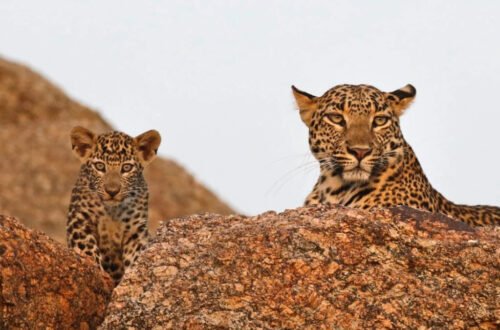
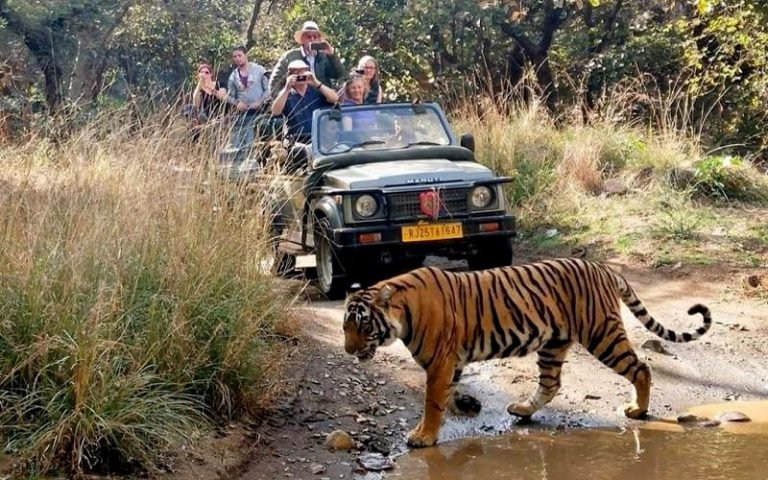
A successful wilderness expedition hinges on balanced pacing. Undertaking a complete delhi to ranthambore tour requires at least two full nights to accommodate multiple safaris, giving you the best probability of tracking the Royal Bengal Tiger alongside sloth bears, leopards, and diverse avifauna.
- Day 1: Depart early morning from Delhi via NE4, arrive by mid-day, check in, unpack, and unwind before embarking on an afternoon safari through designated park zones.
- Day 2: Dedicate the day to dual safaris. An early morning drive captures the mist rising off scenic lakes like Padam Talao, while the late afternoon drive tracks apex predators during peak territorial patrol hours.
- Day 3: Visit the historic 10th-century Ranthambore Fort perched above the reserve, followed by a relaxed brunch before your return drive to Delhi.
Expert Wildlife Safari Insights: Zones, Gates, and Timing
Ranthambore National Park is systematically divided into 10 safari zones to regulate visitor impact and preserve natural habitat integrity. Zone 1 through Zone 5 represent the heritage core, characterized by deep ravines, banyan groves, and historic ruins around picturesque water bodies. Zones 6 through 10 encompass expansive hilly tracts, dry deciduous scrub, and open valleys.
- Both 6-seater open-top 4×4 gypsies and 20-seater canters operate across all routes, with gypsies offering greater maneuverability and superior photography angles.
- Zone allocations are determined directly by forest department permits, meaning advance booking several weeks ahead is essential for peak winter weekends.
- Morning safaris run from 6:30 AM to 10:00 AM, while afternoon drives commence around 2:30 PM and wrap up at sundown, adjusting slightly as daylight shifts across seasons.
- Listening to vocal langur and spotted deer alarm calls often yields far more successful predator sightings than simply driving along primary dirt tracks.
Choosing Your Base: Ranthambore Tiger Resort
Securing the right sanctuary to recharge between dust-laden trail drives is just as vital as the game drives themselves. Choosing the best resort in Ranthambore means finding a location that blends authentic Rajasthani hospitality with deep wilderness expertise. Situated in close proximity to the reserve entry points, Ranthambore Tiger Resort provides quiet cottage accommodations, expansive green lawns, and locally sourced culinary offerings designed for tired explorers.
Naturalists and safari veterans at the resort help guests decipher their sightings, decode jungle behavior, and prepare cameras and optics for upcoming excursions. When you return from the dusty trails, attentive service, evening cultural folk performances, and quiet bonfire settings provide the ultimate grounding contrast to the day’s adrenaline.
Field Gear and Preparation Essentials
Packing appropriately ensures you remain comfortable throughout fluctuating jungle microclimates:
- Neutral apparel in khaki, olive green, and earthy tan shades prevents startling wildlife and avoids attracting flying insects.
- Layered woolens, windcheaters, and fleece beanies are indispensable for freezing open-jeep winter mornings between November and February.
- Broad-spectrum sunscreen, polarized UV sunglasses, and breathable dust gaiters protect against open-air sun exposure and dry dirt trails.
- Telephoto camera lenses in the 100-400mm or 150-600mm focal range paired with binoculars provide clear views without disturbing animal behavior.
- Valid physical government identification documents matching your original safari permit names must be carried on every single entry into the park gates.
With an open highway, clear logistics, and an attentive wilderness base awaiting your arrival, this classic road expedition delivers one of northern India’s most evocative natural adventures.