Marwar stands as one of the most culturally vibrant and visually arresting regions in western India. Defined by sweeping arid plains, formidable desert fortresses, intricate stepwells, and a legacy carved by Rathore rulers, this historic territory encompasses legendary destinations such as Jodhpur, Osian, and Nagaur. Traveling across Marwar requires thoughtful pacing to appreciate its architectural mastery, desert traditions, and distinctive culinary heritage. Navigating local logistics, regional routes, and seasonal climate patterns is made effortless when planned alongside a trusted travel agency in Rajasthan, ensuring access to experienced local chauffeurs, verified heritage stays, and licensed regional guides.
Day 1: Arriving in the Sun City and Exploring Jodhpur’s Historic Core
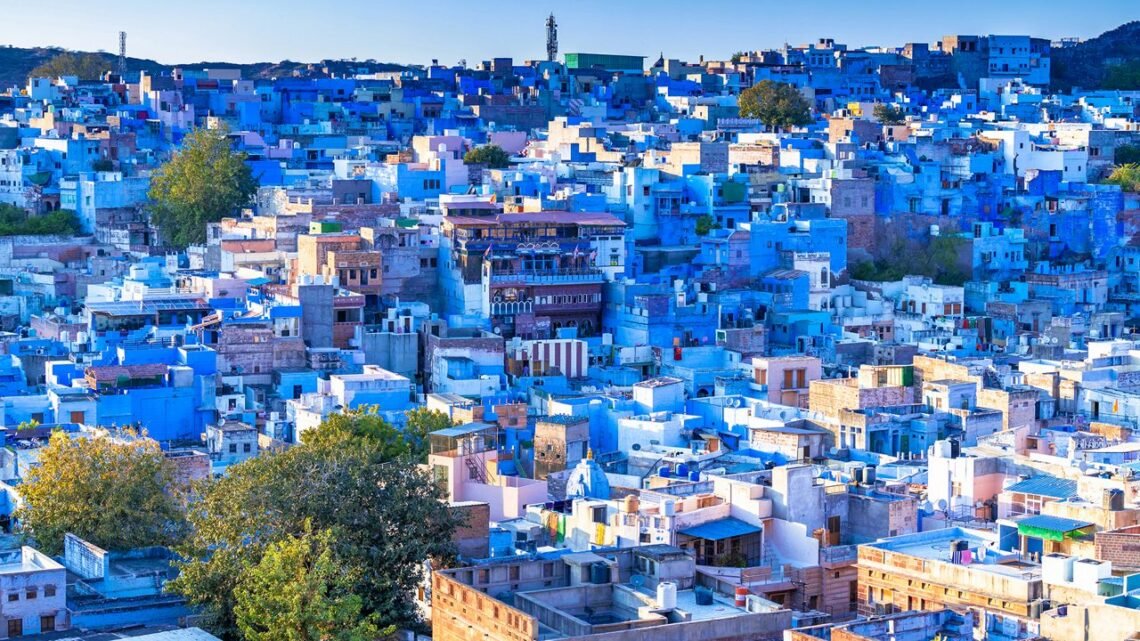
The historical gateway to Marwar begins in Jodhpur, known worldwide as the Blue City due to the indigo-washed houses lining the base of Mehrangarh Fort. Upon settling into your accommodation, begin your exploration at Jaswant Thada, a royal marble cenotaph built in 1899 by Maharaja Sardar Singh to honor his father. The intricately carved marble sheets are exceptionally thin, allowing natural sunlight to pass through and cast a warm glow across the interior memorials.
Following Jaswant Thada, head directly down toward the historic Clock Tower and Sardar Market. The bustling marketplace provides an authentic introduction to local life. Here, traditional artisans sell Mathania red chilies, hand-embroidered leather mojris, bandhani textiles, and brass utensils. Stop by a heritage sweet shop to sample authentic makhaniya lassi alongside piping hot pyaaz kachori, two signature Marwari culinary delicacies that set the tone for your regional expedition.
Day 2: The Mighty Bastions of Mehrangarh and Umaid Bhawan Palace
Dedicate your second morning to Mehrangarh Fort, towering four hundred feet above the city skyline on a perpendicular cliff known as Bhakurcheeria. Built beginning in 1459 by Rao Jodha, this citadel remains one of the largest and best-preserved fortifications in India. Entering through Jai Pol and Fateh Pol, observe the marks left by historic cannonballs before touring the palace complex. The Sheesh Mahal, Phool Mahal, and Moti Mahal showcase exquisite glass inlay work, gold leaf ceilings, and royal miniature paintings.
In the afternoon, proceed southeast to Umaid Bhawan Palace, one of the world’s largest private residences. Designed by British architect Henry Vaughan Lanchester and constructed using golden-yellow Chittar sandstone, the palace represents an opulent blend of Art Deco and classical Indian architecture. The on-site museum exhibits an impressive collection of vintage clocks, royal porcelain, antique arms, and photographs documenting twentieth-century Marwar history. Travelers seeking a comprehensive regional circuit often choose a structured classic marwar tour to seamlessly connect these monumental urban landmarks with countryside excursions.
Day 3: Desert Temples and Shifting Dunes of Osian
On the third day, travel approximately sixty-five kilometers north of Jodhpur to the ancient desert town of Osian. Renowned as an oasis along medieval camel caravan routes, Osian is celebrated for its cluster of preserved eighth- to twelfth-century Hindu and Jain temples. The Sachiya Mata Temple and the Sun Temple feature detailed stone carvings depicting mythological legends, apsaras, and geometric bands that rival the ancient shrines of Khajuraho and Modhera.
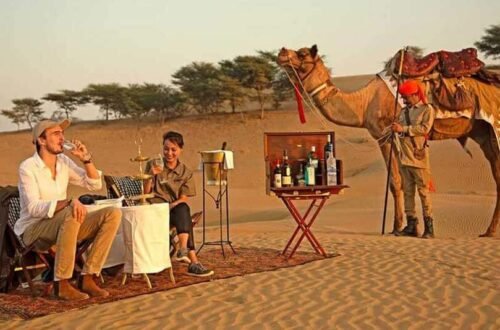
By late afternoon, transition to the surrounding Thar sand dunes for a scenic sunset across the desert expanse. Engaging local desert communities offers direct insight into the arid pastoral lifestyle that has survived here for centuries. Visitors wanting to expand this itinerary into a broader Golden Triangle or Mewar journey can coordinate a majestic Rajasthan getaway tour, which broadens the route to include lakes, tiger reserves, and extended desert regions.
Day 4: Rural Heritage, Mandore Gardens, and Local Bishnoi Villages
Begin the fourth morning with an excursion to Mandore, the ancient capital of Marwar prior to the founding of Jodhpur. Mandore Gardens house the red sandstone devals of Marwar’s earlier monarchs, surrounded by landscaped greenery, natural rock formations, and troops of gray langurs. The nearby Hall of Heroes features sixteen massive rock-cut statues depicting folk deities and legendary regional warriors.
Spend the afternoon visiting nearby Bishnoi hamlets, such as Guda Bishnoiyan and Kakani. The Bishnoi community is historically recognized as India’s earliest organized conservationists, adhering to twenty-nine sacred tenets centered on preserving wildlife and indigenous flora. During your village walkthrough, witness traditional potters shaping earthen vessels on stone wheels and local weavers handcrafting durable durrie rugs from raw wool and cotton fibers.
Day 5: Royal Stepwells, Leisure Shopping, and Evening Departure
Conclude your final day by discovering Toorji Ka Jhalra, an exquisite eighteenth-century stepwell situated in the heart of Jodhpur. Commissioned by a queen of Maharaja Abhai Singh, this deep subterranean reservoir features intricate step pyramid designs, decorative water spouts, and carved sandstone sculptures of birds and deities.
Spend your final afternoon picking up authentic Marwari handicrafts, lac bangles, and stone-ground spices from local cooperative emporiums before heading to Jodhpur Airport or the railway junction for your onward departure, completing an unforgettable exploration through the historic sands and royal strongholds of Marwar.