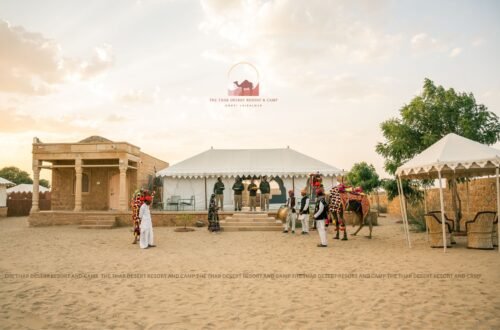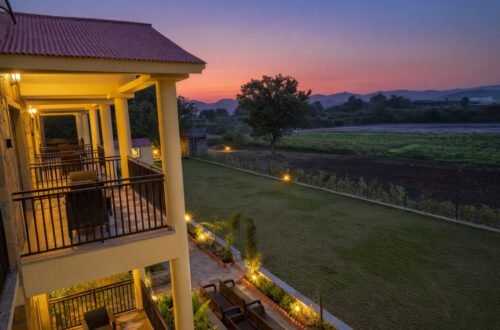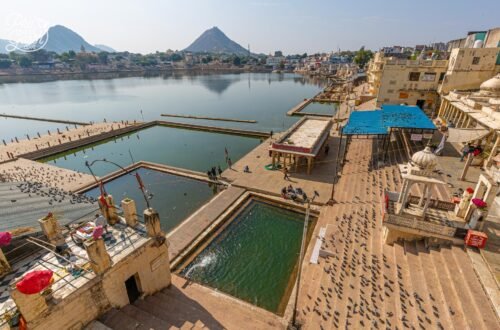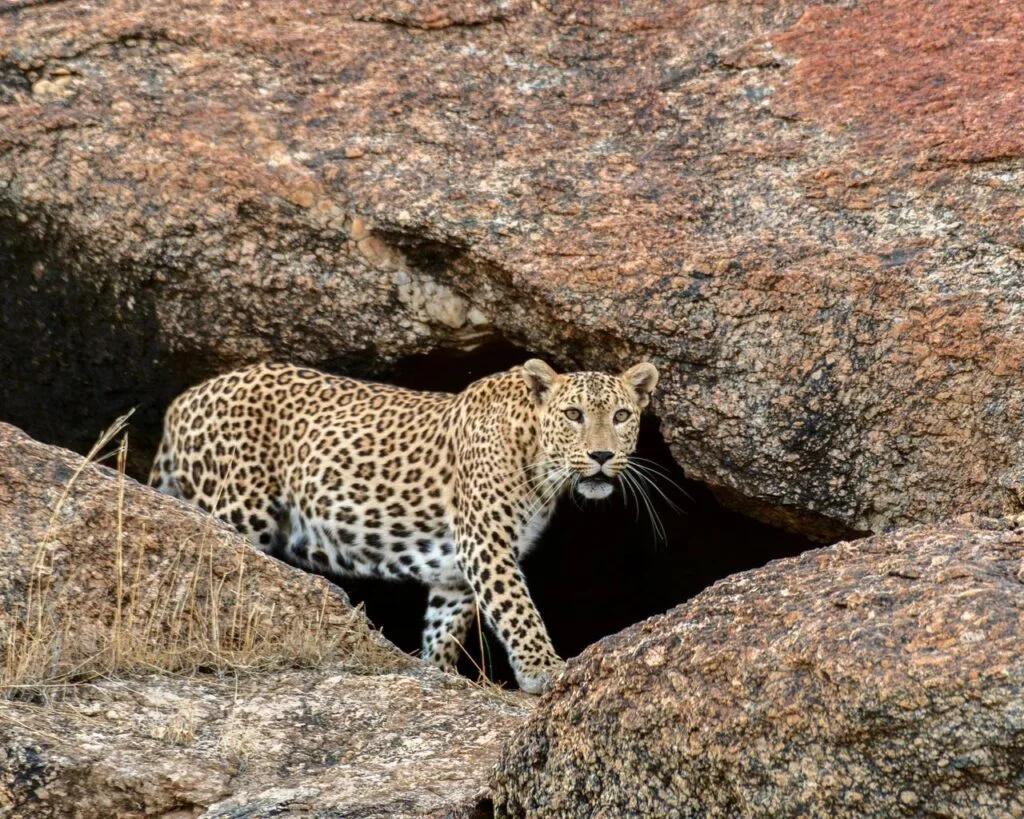
Nestled in the Pali district of Rajasthan between Udaipur and Jodhpur, Jawai offers a wildlife model unlike any fenced national park in India. Here, Indian leopards roam freely across ancient granite hills alongside the semi-nomadic Rabari pastoralists, sharing waterholes and hilltop shrines without conflict. Planning an effective journey through this rugged landscape requires an understanding of how local trackers read the terrain, how seasonal light shapes wildlife activity, and how to structure your days on the ground. When you base yourself at a luxury resort in Jawai, your daily schedule revolves around the natural rhythms of these rocky outcrops and the vast Jawai Bandh reservoir.
Understanding Jawai Safari Timings Across Seasons
Because Jawai is a community-managed conservation landscape rather than a gated tiger reserve, safari schedules adapt directly to sunrise, sunset, and ambient temperatures. Leopards are crepuscular hunters that retreat into deep granite caves during the midday heat, making dawn and dusk the prime windows for observation. Each open-top 4×4 Gypsy excursion typically lasts between two and a half to three hours.
Winter Schedule (October to March)
- Morning Drive: Departs between 6:00 AM and 6:30 AM, returning around 9:00 AM to 9:30 AM as the sun warms the granite boulders.
- Evening Drive: Begins between 3:30 PM and 4:15 PM, concluding just after dusk when leopards descend from higher ridges.
- Midday Birding Session: Operates from 10:30 AM to 12:00 PM along the reservoir banks, ideal when migratory flamingos, pelicans, and cranes gather in winter.
Summer and Monsoon Adjustments (April to September)
- Summer Morning Drive (April to June): Starts earlier, around 5:30 AM, before temperatures climb past 40°C.
- Summer Evening Drive (April to June): Shifts later, running from 5:00 PM to 8:00 PM as the rocks cool down.
- Monsoon Operations (July to September): Drives remain open year-round, though routes and exact departure times shift dynamically based on rainfall and muddy tracks.
Exploring the Key Safari Zones and Landscapes
Unlike government-zoned parks where vehicles are assigned fixed gates by lottery, Jawai has no rigid entry barriers. Instead, experienced local naturalists and Rabari trackers navigate distinct ecological micro-zones based on recent pugmarks, alarm calls, and shepherd sightings.
The Granite Hills of Sena, Bera, and Perwa
These towering volcanic rock formations are the heartland of leopard territory. Natural crevices and boulder overhangs provide cool daytime dens and elevated vantage points. Many hills also house centuries-old cave temples, such as Dev Giri, where leopards frequently rest on ledges directly above the shrines while temple priests carry out daily rituals below.
Jawai Bandh Backwaters and Crocodile Flats
Built in the 1950s across the Jawai River, this massive reservoir transforms the surrounding scrubland into a thriving wetland ecosystem. During warmer morning hours, hundreds of mugger crocodiles haul out onto exposed mudflats and rocky islands to bask. The shallow margins attract over a hundred species of resident and migratory waterbirds, including bar-headed geese, sarus cranes, and river terns.
Scrub Forest and Pastoral Corridors
Surrounding the hills are thorny acacia scrublands and dry riverbeds traversed daily by red-turbaned Rabari herders. Aside from leopards, these plains support striped hyenas, sloth bears, jungle cats, Indian foxes, nilgai, and chinkara. Tracking through these corridors offers insight into how domestic livestock and apex predators coexist peacefully.
Recommended 2-Night, 3-Day Jawai Jeep Safari Itinerary
While a single overnight stay allows for two drives, spending two nights provides enough time for three to four safaris plus cultural immersion without rushing. Guests booking curated Jawai safari tour packages typically follow a balanced pace that pairs wildlife tracking with quiet downtime.
Day 1: Arrival and Dusk Ridge Tracking
Arrive by early afternoon, settle into your suite, and enjoy a unhurried lunch. By 3:45 PM, board your customized 4×4 vehicle for an introductory leopard safari in Jawai, focusing on the granite ridges near Bera and Sena. Watch the late-afternoon sun illuminate the rock faces as leopards emerge to stretch and survey the valley before nightfall. Return after sunset for dinner beside a campfire.
Day 2: Dawn Hills, Reservoir Wildlife, and Rabari Heritage
Wake before dawn for a 6:00 AM drive, carrying hot tea or coffee into the hills while morning mist still clings to the valleys. After returning for a hearty breakfast, spend the late morning visiting the Jawai Bandh embankments to photograph basking mugger crocodiles and winter waterfowl. Following lunch and an afternoon rest, take a guided walk through a nearby Rabari settlement to learn about their pastoral traditions before embarking on a second sunset drive in a different hill cluster.
Day 3: Final Morning Drive and Onward Departure
Head out at sunrise for one last tracking session through the scrublands, searching for nocturnal wildlife returning to cover alongside morning leopard movement. Return to The Jawai Sagar for breakfast, pack at leisure, and depart for Udaipur, Jodhpur, or Falna railway station.
Essential Practical Tips for Your Safari
- Dress in Layers and Neutral Tones: Open jeeps feel brisk during December and January mornings when temperatures dip near freezing, yet afternoons turn warm under direct sun. Wear breathable khaki, olive, or beige layers with a windproof jacket, scarf, and cap.
- Pack Proper Optics: Leopards often perch high on distant granite domes. Bring 8×42 or 10×42 binoculars and a telephoto lens in the 200mm to 600mm range for crisp framing without cropping.
- Prioritize Ethical Wildlife Etiquette: Maintain silence once a cat is spotted, avoid bright flash photography, and never ask your driver to off-road too close to a den. Respecting an animal’s space results in longer, more natural behavioral sightings.
- Book Multiple Drives Ahead: Wild sightings rely on patience and tracking skill rather than guaranteed enclosures. Reserving at least three drives well ahead of peak winter holidays secures seasoned trackers and prime morning slots.