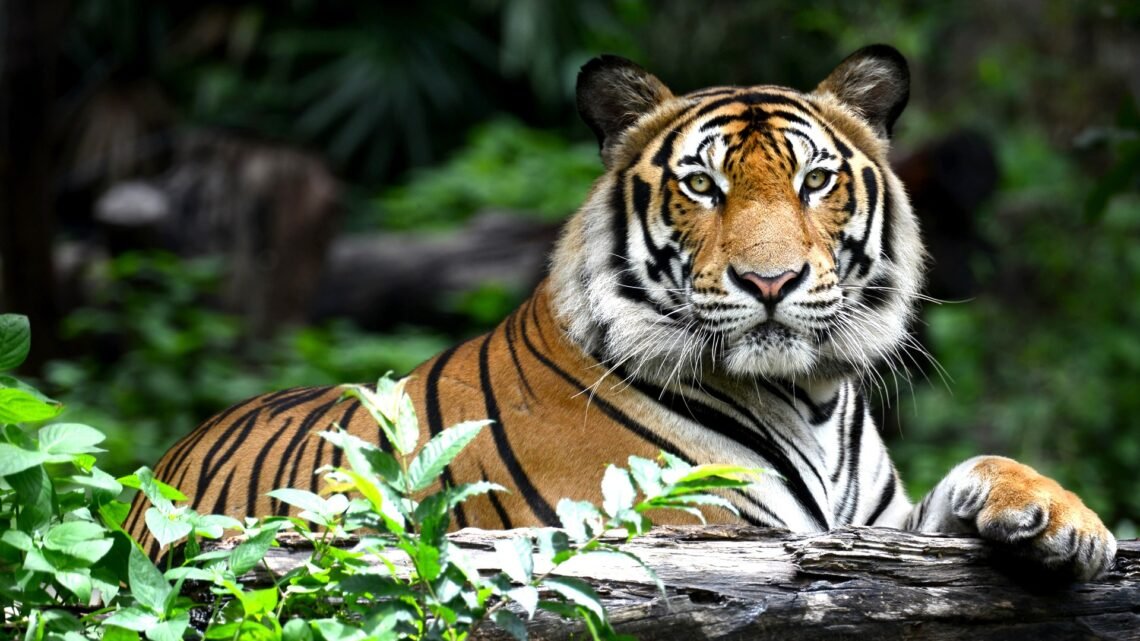
Ranthambore, one of India’s most celebrated wildlife destinations, is a place where nature, history, and adventure come together in perfect harmony. Situated in the Sawai Madhopur district of Rajasthan, this expansive national park attracts travelers from around the world eager to witness the majestic Bengal tiger in its natural habitat. For those planning their stay, the best resort in Ranthambore offers the perfect blend of comfort, wilderness, and authentic Rajasthani hospitality, ensuring a memorable experience amidst nature’s splendor.
Exploring the Heart of Ranthambore National Park
Ranthambore National Park covers an area of over 1,300 square kilometers and is renowned for its thriving population of tigers, leopards, sloth bears, and a wide variety of bird species. The park’s landscape is a fascinating mix of dry deciduous forests, open grasslands, and serene lakes, all surrounded by the rugged Aravalli and Vindhya hill ranges. The ancient Ranthambore Fort, a UNESCO World Heritage Site, adds a touch of history to this wild terrain, reminding visitors that this land once served as a royal hunting ground for the Maharajas of Jaipur.
Best Time to Visit Ranthambore
The ideal time to visit Ranthambore is between October and June when the park is open for visitors. The winter months, from November to February, offer pleasant weather perfect for wildlife photography and sightseeing. During the summer, from March to June, the chances of tiger sightings increase as animals gather around the park’s lakes and watering holes. Monsoon season, from July to September, sees the park closed to visitors to allow the forest to rejuvenate.
The Thrill of Wildlife Safaris
No trip to Ranthambore is complete without experiencing a Canter Safari in Ranthambore. These open-air safaris provide visitors with an opportunity to explore the park’s core zones accompanied by trained naturalists and guides. The excitement of spotting a tiger in the wild is unmatched, but the park’s charm goes far beyond the big cats. From deer gracefully grazing by the lakeside to vibrant peacocks dancing during the monsoon, every safari unveils a new facet of nature’s magic.
A Haven for Bird Lovers
Ranthambore is also a paradise for birdwatchers, boasting more than 300 species of resident and migratory birds. The tranquil Padam Talab and Rajbagh Lake are popular birding spots where you can spot kingfishers, storks, egrets, and the striking Indian grey hornbill. For serious bird enthusiasts, early morning safaris are particularly rewarding, as the forest comes alive with the songs of chirping birds echoing through the valleys.
The Perfect Stay: Where Comfort Meets Wilderness
When it comes to choosing accommodation, travelers often look for a balance between luxury and a true jungle experience. Staying at a luxury resort in Ranthambore allows you to enjoy the tranquility of the forest while indulging in world-class amenities. These resorts often feature eco-friendly architecture, local craftsmanship, and immersive experiences such as outdoor dining under starlit skies, nature walks, and village tours that highlight the cultural richness of Rajasthan.
Cultural Encounters Around Ranthambore
Beyond its wildlife, Ranthambore is steeped in cultural and historical charm. The majestic Ranthambore Fort offers panoramic views of the forest below and is home to several temples and ancient ruins. Visitors can also explore the nearby village of Sawai Madhopur, known for its traditional handicrafts, block-printed textiles, and Rajasthani cuisine. Local markets brim with souvenirs, from miniature tiger figurines to handcrafted leather goods, allowing travelers to take a piece of Ranthambore back home.
Photography Tips for Wildlife Enthusiasts
Ranthambore’s natural beauty makes it a dream destination for photographers. To capture the perfect shot, patience and timing are key. Early morning and late afternoon safaris provide the best lighting conditions for photography. Carry a telephoto lens for close-up shots of animals and a wide-angle lens for capturing the park’s stunning landscapes. Remember to respect the wildlife and maintain a safe distance—preserving the integrity of this fragile ecosystem should always be a priority.
Responsible Travel and Conservation
Tourism plays a significant role in supporting the conservation efforts of Ranthambore. The park authorities and local communities work tirelessly to protect the wildlife and promote eco-friendly tourism. Travelers are encouraged to follow park guidelines, avoid plastic use, and support local businesses that practice sustainability. Choosing eco-conscious accommodations and participating in guided tours led by certified naturalists helps ensure that your visit contributes positively to the region’s preservation.
Making the Most of Your Ranthambore Experience
A well-planned trip to Ranthambore goes beyond just safaris. Include visits to historical landmarks, explore nearby rural communities, and take time to relax amidst nature. Whether you are an avid wildlife photographer, a nature lover, or a family seeking an adventure-filled vacation, Ranthambore offers an experience like no other. The serenity of its landscapes, the thrill of its safaris, and the warmth of its hospitality create memories that last a lifetime.
Conclusion
Ranthambore National Park embodies the wild soul of Rajasthan—raw, regal, and breathtakingly beautiful. It is a destination that captures the essence of India’s natural heritage and royal legacy. From tiger sightings to cultural explorations, every moment here tells a story of coexistence between man and nature. Whether you seek adventure or tranquility, Ranthambore welcomes you with open arms, offering an experience that touches the heart and enriches the spirit.