Rajasthan is a land where the whispers of the past meet the vibrant pulse of the present. For any traveler seeking an authentic immersion into India’s royal heritage, choosing a reliable Rajasthan tour operator is the first step toward a seamless journey through time. From the golden sands of the Thar Desert to the shimmering lakes of the Aravalli hills, the state offers a sensory overload of colors, flavors, and architectural wonders. While the entire region is peppered with forts and folklore, three specific cities stand out as the definitive pillars of Rajasthani culture and history: Jaipur, Udaipur, and Jodhpur.
Jaipur: The Architectural Marvel of the Pink City
The capital city, Jaipur, serves as the gateway to the state’s regal soul. Founded in 1727 by Maharaja Sawai Jai Singh II, it is one of India’s earliest planned cities, reflecting a sophisticated understanding of Vedic architecture and urban design. The uniform terracotta-pink hue of the Old City, painted in 1876 to welcome the Prince of Wales, remains a symbol of hospitality. Visiting the Amber Fort is an essential experience; its formidable exterior hides an interior of delicate ivory work, frescoes, and the famous Sheesh Mahal (Mirror Palace). Within the city limits, the Hawa Mahal stands as an iconic landmark, designed with 953 small windows to allow royal women to observe street festivities without being seen. For those who wish to experience this grandeur with premium comforts, a Luxury Rajasthan Tour provides access to heritage palace hotels that were once the private residences of kings.
Udaipur: The Romantic Heart of the Mewar Kingdom
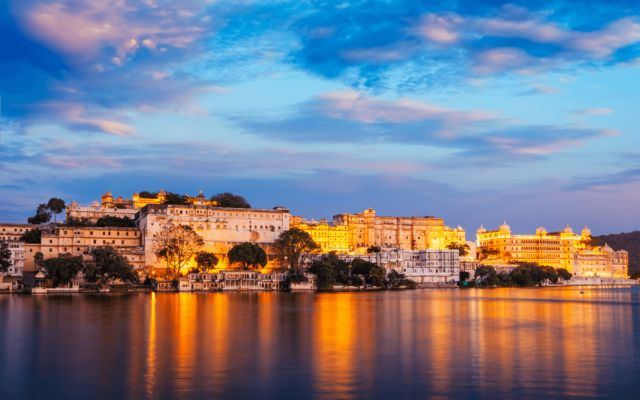
Often called the “Venice of the East,” Udaipur offers a stark, refreshing contrast to the desert landscapes found elsewhere in the state. Built around the azure waters of Lake Pichola, the city is defined by the massive City Palace complex. This architectural feat took nearly 400 years to complete, resulting in a blend of Rajasthani and Mughal styles that feels both organic and imposing. The history of Udaipur is one of resilience; it was the capital of the Mewar kingdom, known for its fierce independence and refusal to submit to foreign invaders. Beyond the palaces, the Saheliyon-ki-Bari (Garden of the Maidens) showcases the engineering ingenuity of the era with its rain-mimicking fountains. Exploring these lakeside vistas is a highlight of the Majestic Rajasthan Getaway Tour, which focuses on the serene beauty and artistic depth of Southern Rajasthan.
Jodhpur: The Sun City and the Mighty Mehrangarh
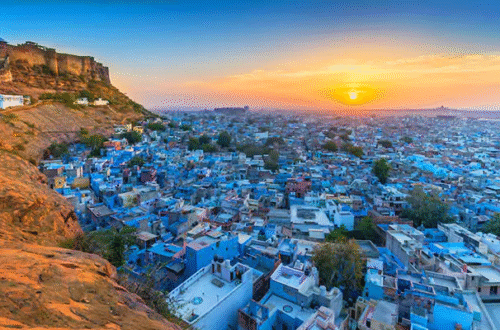
Jodhpur, the “Blue City,” is instantly recognizable by the sapphire-tinted houses that wrap around the base of the Mehrangarh Fort. This fort is arguably one of the most well-preserved and intimidating structures in India, perched on a perpendicular cliff 400 feet above the skyline. The history here is palpable; one can still see the cannonball imprints on the gates and the handprints of royal widows who committed sati centuries ago. Jodhpur is also a hub for traditional Rajasthani crafts, particularly antique furniture, textiles, and leather goods. The bustling markets around the Clock Tower offer a deep dive into the local way of life, where the aroma of spicy Mirchi Bada fills the air and the vibrant turbans of the Marwari people add splashes of color to the blue backdrop. It is a city that demands exploration on foot to truly appreciate the intricate carvings of the havelis.
Planning Your Historical Expedition
When traveling through Rajasthan, the difference between a standard vacation and a life-changing journey often lies in the details. Local expertise ensures that you don’t just see the monuments but understand the stories behind the stone. Whether you are navigating the narrow alleys of the blue city or watching a sunset over the lakes of Udaipur, the cultural richness of these three cities provides a comprehensive look at India’s princely past. Each city tells a different chapter of the same story: one of valor, artistry, and an enduring spirit that continues to thrive in the modern age.