Perched majestically atop a rugged hill in the Sawai Madhopur district, the Chauth Mata Temple stands as a beacon of faith, history, and Rajput architecture. For those of us who have walked these stone steps since childhood, the temple is more than just a religious site; it is the spiritual heartbeat of the region. Whether you are a devotee seeking blessings or a traveler exploring the cultural landscape near a resort in Ranthambore, this ancient sanctuary offers a profound glimpse into the soul of Rajasthan.
The Legend and History of Chauth Mata
The temple dates back to the 15th century, specifically established in 1451 by Maharaja Bhim Singh. According to local lore, the Maharaja brought the idol from Pachala and enshrined it atop the hill in Chauth Ka Barwara. The deity, Chauth Mata, is revered as the guardian of the region and the goddess of prosperity and longevity. The temple is particularly significant for women, who flock here during the festival of Karwa Chauth to pray for the well-being of their husbands. The architecture reflects the classic Rajput style, with intricate carvings and massive stone structures that have weathered centuries of history while retaining their divine aura.
Climbing the Steps to Divinity
Reaching the main shrine requires a climb of approximately 700 steps. While this might sound daunting, the path is wide and well-paved, offering numerous resting spots where you can pause and look out over the sprawling plains below. As a local, I always recommend starting your ascent early in the morning. The air is crisp, the monkeys are active but generally peaceful if left alone, and you avoid the midday sun that can be quite intense in the desert climate. The rhythmic chanting of pilgrims and the distant sound of temple bells create an atmosphere that makes the physical effort feel almost effortless.
Architectural Splendor and Sacred Shrines
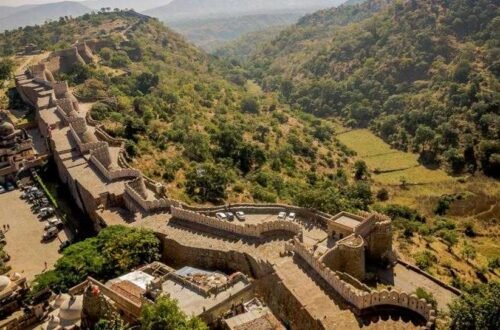
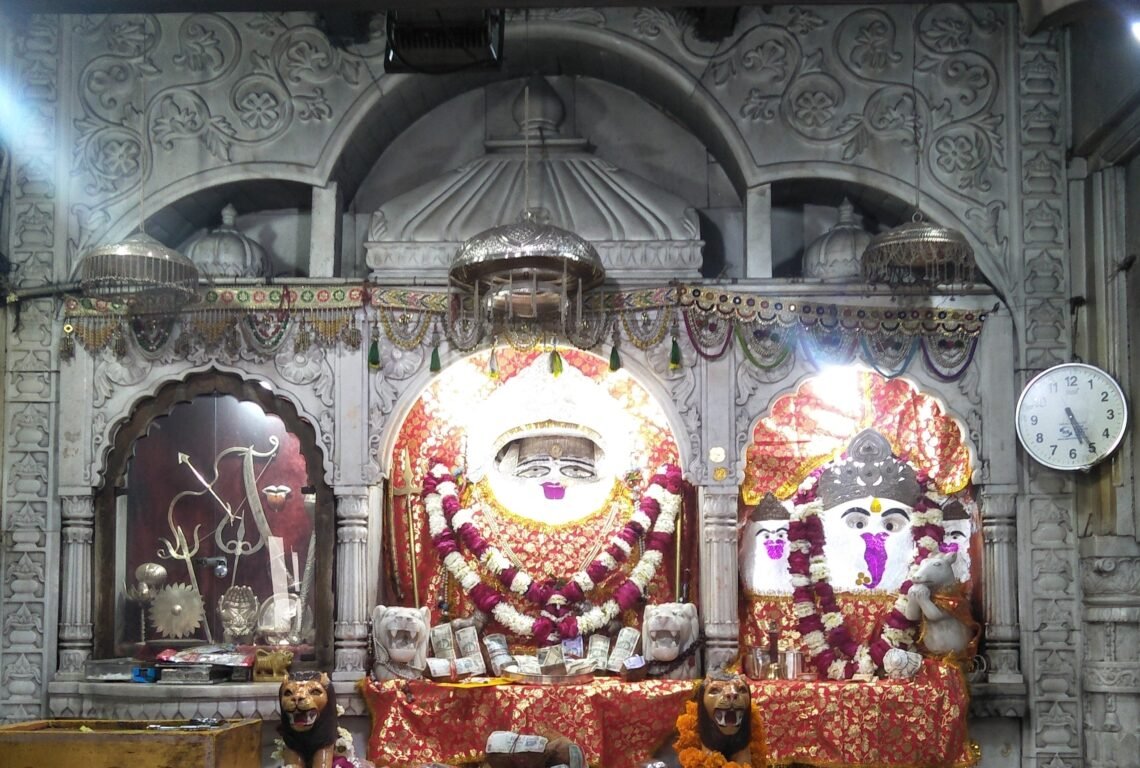
Once you reach the summit, the primary temple of Chauth Mata greets you with its white marble elegance. The sanctum sanctorum houses the idol of the goddess, adorned with traditional Rajasthani jewelry and bright fabrics. Beside the main temple, you will find shrines dedicated to Lord Ganesha and Lord Bhairav, completing the spiritual circuit. The craftsmanship on the pillars and the ceiling is a testament to the artisans of the 15th century, featuring floral motifs and scenes from Hindu mythology. The panoramic view from the top is perhaps the best in the district, offering a 360-degree look at the Aravalli range and the verdant outskirts of the tiger reserve.
Cultural Significance and Festivals
If you want to experience the temple in its full glory, visit during the Chauth Mata Mela, held annually in the Hindu month of Magh (January-February). Thousands of devotees gather here, transforming the quiet hillside into a vibrant tapestry of colors, folk music, and traditional Rajasthani fairs. The energy during this time is electric. Beyond the religious fervor, the temple is one of the most essential Places to Visit in Ranthambore because it bridges the gap between the wild nature of the park and the deep-rooted traditions of the local communities. It is a place where history isn’t just told in books but lived through daily rituals.
Exploring the Surrounding Area
Many travelers focus solely on the wildlife, but the district offers a rich variety of experiences. From exploring the ancient Barwara Fort, which has now been restored to its former glory, to visiting the local handicraft markets, there is much to see. Engaging with the locals will reveal stories of the goddess’s miracles that you won’t find in any brochure. If you are looking for more Things to Do in Sawai Madhopur, consider spending an afternoon at the Mansarovar Lake for birdwatching or visiting the Shilpgram to see traditional pottery being made. These activities provide a well-rounded perspective of the region’s heritage.
Local Tips for Your Visit
To make the most of your trip to Chauth Ka Barwara, keep a few local insights in mind. Dress modestly as a sign of respect for the local culture—shoulders and knees should be covered. While there are small shops selling water and offerings (Prasad) along the stairs, carrying your own reusable water bottle is a sustainable choice. Be mindful of your belongings, especially around the monkeys, who are quite skilled at spotting snacks. After your descent, try the local ‘Kachori’ from the village stalls at the base; it’s a spicy, deep-fried treat that tastes best after a long climb.
Why the Temple is a Must-Visit
In a region famous for its tigers, the Chauth Mata Temple offers a different kind of majesty. It provides a quiet space for reflection away from the Jeep safaris and tourist crowds. The blend of physical challenge, architectural beauty, and spiritual peace makes it a highlight of any Rajasthani itinerary. It’s not just about reaching the top; it’s about the stories you hear along the way and the sense of calm that washes over you when you finally stand before the deity. This is the authentic Rajasthan—rugged, resilient, and deeply devoted.
Planning Your Departure
The temple is easily accessible by road or train from Sawai Madhopur, with the Chauth Ka Barwara railway station being the closest stop. Most visitors spend about three to four hours here, including the climb and the time spent at the shrine. As you leave the hillside and head back toward the Ranthambore forest, you carry with you a piece of the local culture that goes beyond the typical tourist experience. The blessings of the Mata and the breathtaking views remain etched in your memory long after the dust of the desert has settled.