Introduction: Culture Is the Soul of Jaisalmer
Jaisalmer is not a destination you experience only through monuments. Its real essence lives in music, movement, stories, food, and the rhythm of desert life. Travelers who focus only on forts and photos often miss the deeper cultural layer that makes this city unforgettable. To truly understand Jaisalmer, you need to slow down and engage with its traditions, many of which are still lived daily rather than performed for display.
This guide covers the cultural experiences you should not miss if you want your Jaisalmer trip to feel meaningful rather than superficial.
Folk Music That Tells Desert Stories
Folk music in Jaisalmer is not background entertainment. It is storytelling passed down through generations. Local musicians sing about love, bravery, migration, drought, and devotion, often accompanied by instruments like the kamaicha and dholak.
These performances are deeply emotional and best experienced in open settings, especially in the desert. Sitting under the night sky while listening to live folk music creates a connection that no recorded playlist can replicate.
Kalbeliya Dance Performances
Kalbeliya dance is one of Rajasthan’s most expressive art forms and has strong roots in desert culture. The fluid movements, fast spins, and traditional costumes reflect both celebration and survival in harsh desert conditions.
Watching Kalbeliya dancers perform around a bonfire is a powerful cultural experience. It is not about perfection or choreography alone, but about energy, rhythm, and tradition coming together naturally.
Living Inside Jaisalmer Fort
Jaisalmer Fort is not just a heritage structure. It is a living cultural space. Walking through its narrow lanes gives you a chance to observe daily life inside a centuries-old fort. You will see locals opening shops, preparing food, visiting temples, and carrying out routines shaped by generations of desert living.
Visiting the fort early in the morning or late in the evening allows you to experience it as a neighborhood rather than a tourist attraction. This is one of the most overlooked cultural experiences in Jaisalmer.
Desert Life Beyond the City
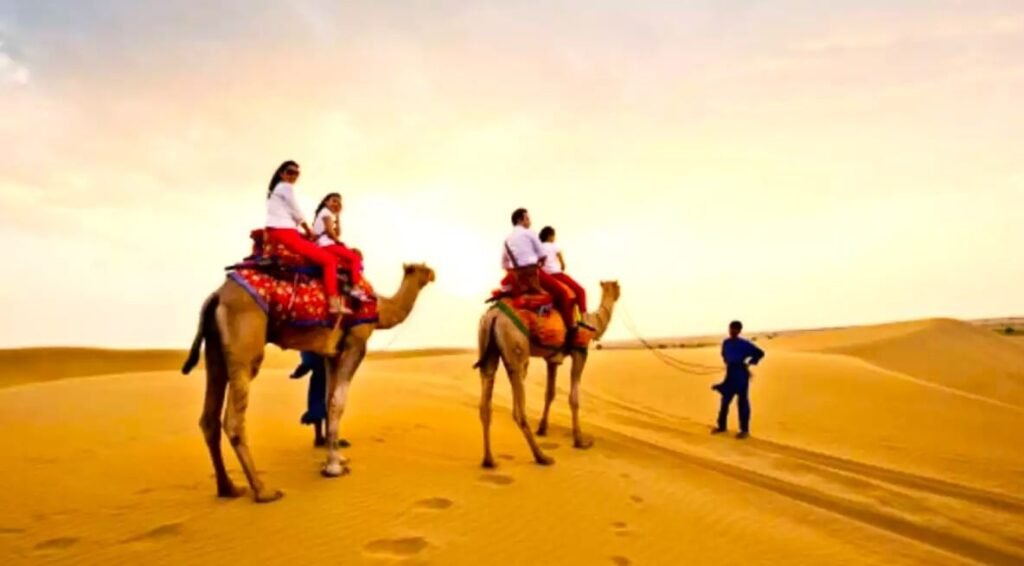
To understand Jaisalmer’s culture fully, you must step outside the city. Desert life has shaped local traditions, food habits, clothing, and hospitality. Staying at Best Desert Camps Jaisalmer allows travelers to experience this lifestyle in a comfortable yet authentic way.
Desert camps offer cultural evenings, local cuisine, and a chance to observe how communities adapt to extreme conditions with resilience and creativity.
Traditional Rajasthani Cuisine
Food in Jaisalmer is deeply connected to survival in the desert. Dishes are designed to last longer, require minimal water, and provide energy. Meals often include dal, baati, churma, gatte, and locally spiced vegetables.
Eating traditional food in a desert setting adds context to these dishes. It helps you understand why they exist and how culture adapts to geography rather than fighting it.
Staying in a Luxury Tent With Cultural Touches
A luxury Tent In Jaisalmer is more than a comfortable place to sleep. Many tents are designed with traditional décor, earthy colors, and local craftsmanship that reflect desert aesthetics.
Waking up surrounded by dunes, listening to morning silence, and enjoying warm hospitality gives you insight into the desert way of life, even when modern comforts are present.
Puppet Shows and Local Storytelling
Puppet shows are a traditional form of storytelling in Rajasthan and are still practiced in Jaisalmer. These performances use handmade puppets, music, and humor to share folklore, history, and moral lessons.
Though simple in appearance, puppet shows carry cultural depth and are often enjoyed by both children and adults. They are a reminder that entertainment does not always need technology to be impactful.
Village Visits and Local Interaction
Visiting nearby desert villages offers a raw look at daily life beyond tourism. Mud houses, water conservation methods, traditional clothing, and community living patterns show how culture continues without modern infrastructure.
These visits are best done respectfully, preferably with a local guide, and with genuine curiosity rather than a camera-first approach.
Handicrafts and Artisan Skills
Jaisalmer is home to skilled artisans working with leather, textiles, embroidery, silver, and wood. Watching craftsmen at work helps you appreciate the time, patience, and knowledge behind each item.
Buying directly from artisans supports local livelihoods and preserves cultural practices that are slowly disappearing under mass production.
Dinner on the Dunes as a Cultural Experience
One of the most immersive ways to experience desert culture is through a Dinner on Dunes. This is not just a meal, but a moment of connection with the landscape and tradition.
Dining under open skies, surrounded by sand and silence, reflects how gatherings and meals have historically taken place in desert regions. The simplicity of the setup highlights the value of presence over luxury.
Festivals That Celebrate Desert Identity
Jaisalmer’s festivals, especially during winter, showcase its cultural pride. Events like the Desert Festival bring together music, dance, camel traditions, and local competitions that reflect everyday desert life.
Attending a festival allows you to see culture in motion rather than curated form.
Final Thoughts
Cultural experiences in Jaisalmer are not hidden behind museum walls. They exist in everyday moments, in music carried by the wind, in food shaped by scarcity, and in traditions that continue quietly despite change.