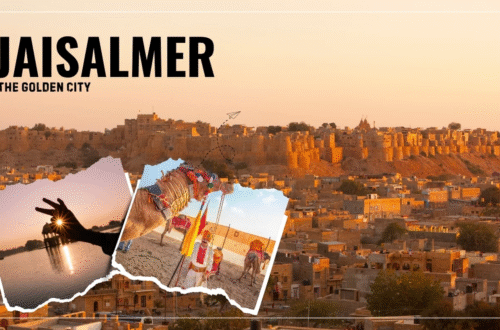
Rising from the heart of the Thar Desert, the “Golden City” of Jaisalmer offers an immersive escape into India’s royal past and its vast, undulating landscapes. Planning a trip to this sandstone citadel requires more than just a map; it demands an itinerary crafted by a seasoned Jaisalmer tour operator who understands the nuances of desert logistics and local heritage. From the moment you arrive, the city’s golden hue—a result of the yellow sandstone used in nearly every structure—wraps you in a warm, timeless embrace. Whether you are navigating the narrow alleys of the living fort or racing across the Sam Sand Dunes, Jaisalmer promises a sensory journey that blends rugged adventure with regal comfort.
Living Within the Walls of Jaisalmer Fort
Unlike most forts in India that serve as silent museums, Jaisalmer Fort, also known as Sonar Quila, is a vibrant, living ecosystem. It is one of the few functional forts in the world where nearly a quarter of the city’s old population still resides. Choosing a fort stay is the ultimate way to experience the city’s heartbeat. These ancestral homes, converted into boutique guesthouses, offer balconies that hang over the fort walls, providing a vantage point that has remained unchanged for centuries. Waking up to the sound of temple bells and the sight of the sun hitting the ramparts is an experience that connects you directly to the history of the Bhatti Rajputs. The architecture itself is a marvel of cooling physics, with intricate stone lattice work (jalis) that allows the desert breeze to flow while keeping the harsh sun at bay.
Navigating the Golden City with Ease
Exploring the outskirts of the city and reaching the distant dunes requires reliable transportation. To ensure you don’t miss the hidden gems like the abandoned village of Kuldhara or the intricate cenotaphs at Bada Bagh, hiring a professional taxi service in jaisalmer is highly recommended. Local drivers often act as informal guides, sharing folklore and pointing out the best spots for authentic Rajasthani ker sangri. Having a dedicated vehicle allows you to travel at your own pace, stopping to photograph a wandering camel caravan or a brilliantly dressed local artisan without the constraints of public transport schedules.
The Magic of a Jaisalmer Sightseeing Tour
A comprehensive Jaisalmer sightseeing tour covers the architectural triumphs that define the city’s identity. The Patwon Ki Haveli stands as the most impressive of all Jaisalmer havelis, essentially a cluster of five small havelis built by a wealthy brocade merchant. The stone carvings here are so delicate they resemble lace rather than rock. Following the havelis, a visit to Gadsisar Lake provides a tranquil contrast. Originally built as a water conservation reservoir in the 14th century, it is now surrounded by small temples and shrines. Watching the sunset here, as the water reflects the golden sky, is a ritual for both locals and travelers alike.
Thrills of the Thar Desert Safari
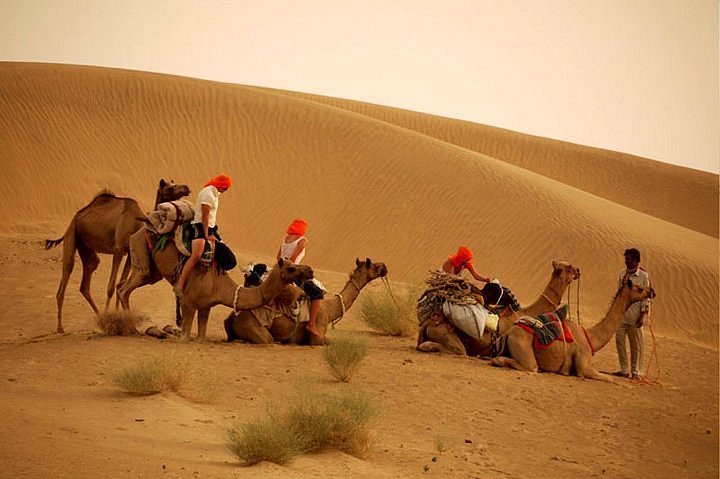
No visit to Jaisalmer is complete without venturing into the dunes. The Sam Sand Dunes and the Khuri Dunes offer different types of desert experiences. Sam is known for its festive atmosphere, cultural performances, and evening campfires, while Khuri offers a more secluded, traditional desert life experience. A camel safari remains the most iconic way to traverse the shifting sands, moving at a rhythmic pace that lets you soak in the vastness of the horizon. For those seeking more adrenaline, jeep safaris provide a high-energy alternative, navigating the steep slopes of the dunes with ease.
Camping Under the Desert Night Sky
As night falls, the desert transforms into a celestial theater. The lack of light pollution in the Thar makes it one of the best places in India for stargazing. Luxury desert camps provide the perfect balance of rustic charm and modern amenities. Imagine sitting by a bonfire, listening to the soulful strains of Manganiyar folk music—a tradition passed down through generations—while the Milky Way stretches clearly overhead. Sleeping in a Swiss tent or under the open sky allows you to witness the desert’s silence, a profound quiet that is rarely found in modern life.
Practical Tips for the Desert Traveler
The best time to visit Jaisalmer is between October and March when the weather is pleasant enough for outdoor exploration. During the day, the sun can be quite strong even in winter, so high-SPF sunscreen, polarized sunglasses, and breathable cotton clothing are essential. In contrast, desert nights can get surprisingly chilly, making a light jacket or pashmina necessary. Engaging with local guides not only enriches your understanding of the history but also supports the local economy directly. By choosing a tour operator with deep roots in the community, you ensure that your visit is both respectful of the local culture and optimized for the best possible experience. Jaisalmer is not just a destination; it is an invitation to step back in time and witness the enduring spirit of the desert.