Planning a trip to the “Golden City” requires a balance of historical exploration and raw desert adventure. As a seasoned Travel agency in rajasthan, we understand that three days is the ideal timeframe to absorb the culture of the Thar without feeling rushed. This guide draws on years of local expertise to help you navigate the yellow sandstone alleys and shimmering dunes like a true insider.
Day 1: The Living Fort and Architectural Marvels
Your first day should be dedicated to the heart of the city: the Jaisalmer Fort. Unlike many other forts in India, this UNESCO World Heritage site is “living,” meaning nearly a quarter of the old city’s population still resides within its walls. Start your morning early to beat the heat and the crowds. As you walk through the four massive gateways—Akshay Pole, Suraj Pole, Ganesh Pole, and Hawa Pole—you will feel the transition from a modern town to a medieval kingdom.
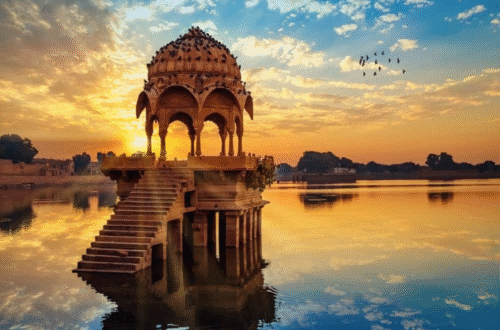
Inside, visit the Raj Mahal (Royal Palace) and the seven intricately carved Jain Temples. These temples, dating back to the 12th and 15th centuries, are masterpieces of Dilwara-style architecture. For lunch, choose a rooftop café within the fort that offers a panoramic view of the city. Post-lunch, descend into the narrow lanes to visit the Patwon Ki Haveli. This is not just one house but a cluster of five grand mansions built by a wealthy brocade merchant. The stonework here is so delicate it often resembles lace rather than solid rock. Finish your day at Gadisar Lake, where a sunset boat ride offers a peaceful perspective of the surrounding chhatris and shrines.
Day 2: The Call of the Silent Desert
No journey to the Thar is complete without venturing beyond the city limits into the vast expanse of sand. While many visitors flock to the crowded Sam Sand Dunes, those seeking a genuine connection with nature prefer a more secluded path. We highly recommend an Overnight Non Touristic Safari Jaisalmer to witness the desert in its purest form.
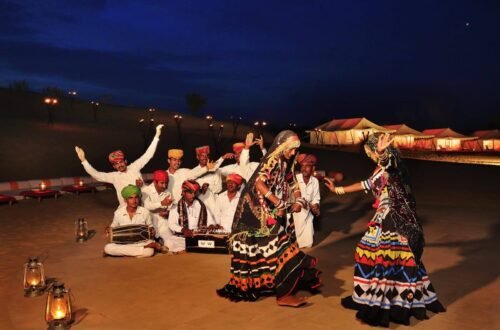
Before heading to the dunes, stop at Kuldhara, the “Ghost Village.” Legends say the Paliwal Brahmins abandoned this village overnight in the 19th century to protect their honor from an oppressive prime minister, leaving behind a curse that prevents anyone from settling there again. From here, continue to the Khaba Fort, which offers a stunning view of the empty village ruins below. As the afternoon wanes, your camel caravan will lead you into the dunes. Far from the loud music of commercial camps, you will enjoy a traditional meal cooked over a wood fire and sleep under a “billion-star hotel”—the open desert sky. This immersive experience is the hallmark of high-quality desert tourism, focusing on tranquility rather than spectacle.
Day 3: Royal Cenotaphs and Cultural Immersion
On your final day, wake up to a serene desert sunrise and a simple breakfast before returning to the city. Your Jaisalmer Sightseeing tour should then take you to Bada Bagh. This site serves as a royal cemetery containing cenotaphs (chhatris) of the Maharajas of Jaisalmer. The golden glow of the sandstone against the backdrop of modern windmills creates a striking contrast between the old and the new.
Spend your afternoon exploring the local bazaars like Sadar Bazaar and Manak Chowk. Jaisalmer is famous for its camel leather products, exquisite silver jewelry, and embroidered textiles. If you have a few hours remaining, visit the Jaisalmer War Museum on the Jodhpur Highway. It provides a sobering and proud look at the bravery of the Indian Army, particularly during the 1971 Battle of Longewala. Ending your 72-hour trip here provides a complete narrative of Jaisalmer—a city defined by its royal heritage, its haunting legends, its resilient people, and its strategic importance to the nation.
Essential Tips for Your Jaisalmer Trip
- Best Time to Visit: The months from October to March offer the most pleasant weather for exploration.
- What to Pack: Light cotton clothes for the day, a sturdy pair of walking shoes, and a warm jacket for the surprisingly cold desert nights.
- Stay Hydrated: The dry desert air can be deceiving; always carry a reusable water bottle.
- Respect Local Customs: When visiting the Jain Temples or local homes, remember to remove footwear and dress modestly.
Jaisalmer is a city that stays with you long after the golden dust has settled on your shoes. By following this 72-hour guide, you ensure that every moment spent in the Thar Desert is authentic, educational, and deeply memorable.