The Mewar region of Rajasthan is a treasure trove of history, but few places capture the imagination quite like the “Great Wall of India.” Embarking on a journey from the City of Lakes to the rugged Aravalli hills requires more than just a map; it requires a reliable Udaipur taxi service to navigate the winding mountain passes with ease. As you leave the urban bustle behind, the landscape shifts into dense forests and steep ridges, eventually revealing the massive stone ramparts of Kumbhalgarh Fort. Built by Rana Kumbha in the 15th century, this UNESCO World Heritage site is not merely a monument but a testament to Rajput ingenuity, resilience, and architectural brilliance.
The Architectural Marvel of the Perimeter Walls
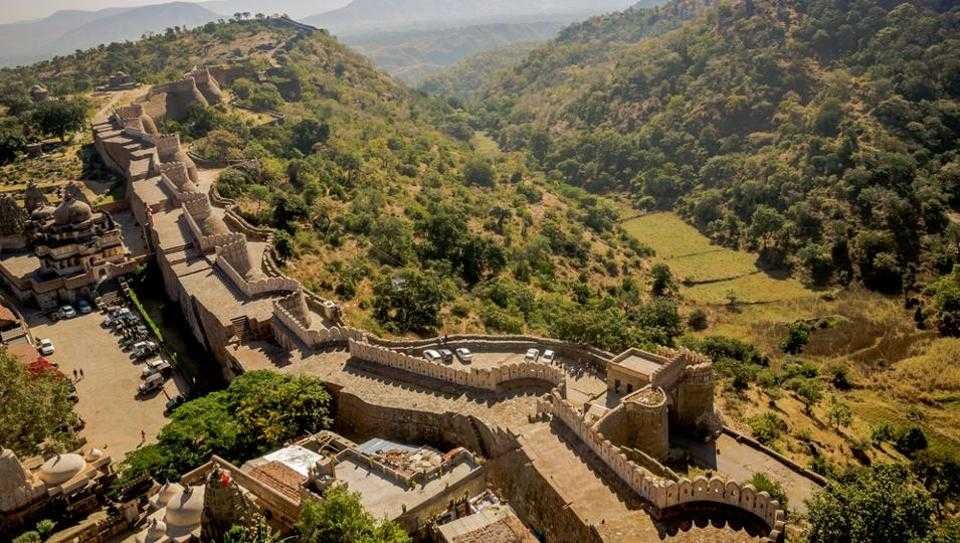
The defining feature of Kumbhalgarh is undoubtedly its 36-kilometer-long fortification wall. It is the second-longest continuous wall in the world, surpassed only by the Great Wall of China. The sheer scale of these walls is staggering, with a width ranging from 15 to 25 feet, designed to allow eight horses to walk abreast. When you book a Udaipur to kumbhalgarh taxi, the first sight of these massive bastions rising from the hills provides an immediate sense of the fort’s impregnability. Throughout history, this fort remained virtually unconquerable, thanks to its strategic elevation of over 1,100 meters and these formidable stone guards. Walking along the ramparts offers a panoramic view of the Thar Desert dunes on one side and the lush Aravalli range on the other.
Sacred Spaces: The Temples of Kumbhalgarh
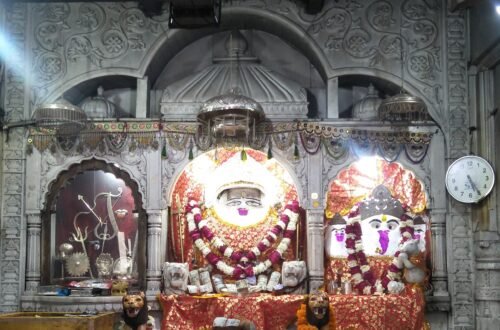
While the fort was built for defense, it was also a center of spiritual life. There are over 360 temples within the fort walls, with 300 being ancient Jain temples and the remainder dedicated to Hindu deities. The Neelkanth Mahadev Temple is perhaps the most striking among them. Dedicated to Lord Shiva, it houses a massive six-foot-tall lingam made of single black stone. Local legends suggest that Rana Kumbha was so tall that he could perform the ‘Abhishek’ (ritual pouring of water) while seated. Another notable structure is the Vedi Temple, a sacrificial shrine that stands as a unique example of octagonal architecture supported by 36 pillars. These temples showcase intricate stone carvings that reflect the artistic mastery of the Mewari craftsmen.
Badal Mahal: The Palace of Clouds
At the highest point of the fort sits the Badal Mahal, or the “Palace of Clouds.” This 19th-century addition by Maharana Fateh Singh is divided into two sections: the Zanana (for royal ladies) and the Mardana (for the men). The palace is famous for its beautiful pastel-colored murals and its innovative ventilation system that keeps the rooms cool even during the peak of the Rajasthan summer. Reaching the top of Badal Mahal provides a literal “top of the world” feeling, as the clouds often drift through the open courtyards during the monsoon season. For larger groups or families traveling together, choosing a luxury tempo traveller in udaipur ensures that everyone arrives refreshed and ready to take on the steep climb to this magnificent summit.
The Birthplace of Maharana Pratap
Kumbhalgarh holds a deeply emotional place in the hearts of the people of Mewar because it is the birthplace of the legendary warrior king, Maharana Pratap. Inside the fort complex, there is a small palace known as Jhalia Ka Malia, where the Great Sun of Mewar was born. Standing in the very spot where one of India’s greatest heroes spent his childhood adds a layer of reverence to the visit. It was these very walls that protected the royal family during times of crisis in Chittorgarh, serving as a safe haven and a staging ground for the reclamation of their kingdom.
The Spectacle of Light and Sound
To truly appreciate the grandeur of the fort, staying until evening is a must. As the sun dips below the horizon, the fort is illuminated by hundreds of powerful floodlights, turning the stone walls into a golden crown atop the hills. The Light and Sound Show held every evening narrates the history of the Maharanas of Mewar, their sacrifices, and the myths surrounding the fort’s construction. The deep baritone of the narrator echoing through the ancient stones brings the history of the 15th century to life, making it an unforgettable experience for history buffs and casual tourists alike.
Planning Your Visit to the Mewar Highlands
Visiting Kumbhalgarh is a full-day endeavor that demands a blend of comfort and local expertise. The road from Udaipur is scenic but requires an experienced driver who understands the mountainous terrain. Travelers should wear comfortable walking shoes, as exploring the temples and the Badal Mahal involves significant uphill walking. Carrying a hat and sunscreen is advisable, though the mountain breeze often tempers the heat. By choosing a professional transport partner, you ensure that the logistics of the trip—from parking to navigating the ghats—are handled seamlessly, leaving you free to immerse yourself in the stories of the Aravalli.
From the spiritual silence of the Neelkanth Mahadev Temple to the windswept heights of the Badal Mahal, Kumbhalgarh Fort remains a symbol of the enduring spirit of Rajasthan. It is a place where history isn’t just recorded in books but is etched into every massive stone of its 36-kilometer wall. Whether you are a solo traveler seeking peace or a family exploring the heritage of India, the journey from Udaipur to this mountain fortress is a pilgrimage into the heart of bravery and architectural brilliance.