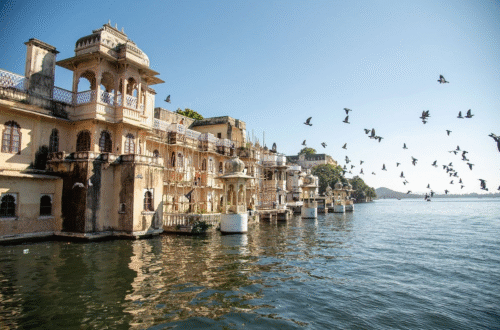
Jaisalmer is often described through its architecture, but the real story lies in how that architecture is lived in. Forts are not frozen relics, havelis are not silent museums, and daily life continues between carved walls and narrow lanes. To understand Jaisalmer properly, you have to look at how history and routine exist side by side, shaping a city that feels both ancient and alive.
A Fort That Is Still a Neighborhood
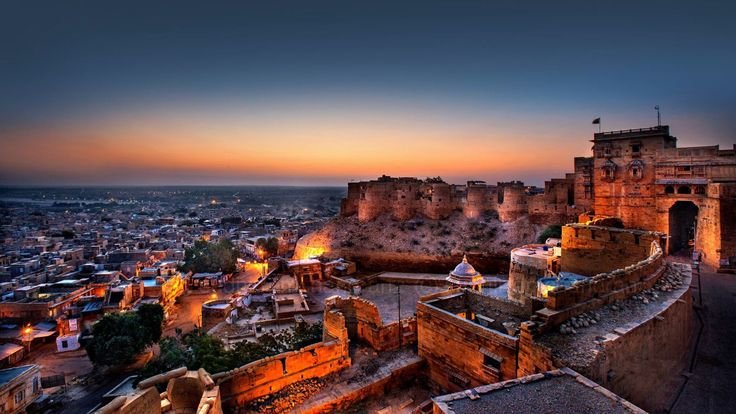
Jaisalmer Fort is one of the rare forts in the world that continues to function as a living settlement. Inside its walls, families run shops, children walk to school, and temples host daily prayers. This changes how you experience it. You are not just walking through history, you are walking through someone’s home.
The narrow streets are designed to protect against heat and sandstorms, while balconies and jharokhas allow airflow and privacy. These details were born out of necessity, not aesthetics. That practicality is what makes the fort feel authentic rather than ornamental.
Havelis That Tell Personal Stories
The havelis of Jaisalmer are quieter storytellers. Structures like Patwon Ki Haveli and Salim Singh Ki Haveli were once homes of wealthy merchants who thrived on desert trade routes. Their carvings, courtyards, and layouts reveal how families lived, worked, and hosted guests.
Unlike grand palaces, these homes feel intimate. You can imagine conversations echoing through courtyards and daily routines unfolding within thick stone walls. Visiting havelis gives context to the city’s social structure and explains how prosperity and restraint coexisted in the desert.
Daily Life Between Stone Walls
Step away from landmarks and Jaisalmer’s everyday life comes into focus. Locals open shops early, sweep doorways, and pause often for tea and conversation. Life here is not rushed. The desert teaches patience, and that lesson shows up in how people move and interact.
Markets serve both locals and visitors, selling spices, textiles, and daily essentials. You will notice that many interactions are quiet and respectful. There is little pressure to buy. Conversations matter more than transactions.
Food as a Social Anchor
Meals play a central role in daily life. Food in Jaisalmer is built around sharing and nourishment rather than novelty. Lentils, millets, seasonal vegetables, and ghee form the foundation of most dishes. These ingredients evolved to suit desert conditions and still define local cuisine.
Eating at the Best family restaurant in jaisalmer reflects how meals function socially. Families sit together, food arrives steadily, and no one rushes to leave. For travelers, these spaces offer comfort and a glimpse into how locals value time spent at the table.
Evenings That Belong to the City
As the sun sets, Jaisalmer shifts into a gentler rhythm. The heat fades, rooftops fill with people, and the fort glows against the darkening sky. Evenings are not about entertainment schedules. They are about slowing down.
Walking through the old city at night feels different. Sounds are softer, conversations quieter, and the city feels introspective. This is when many travelers feel most connected to Jaisalmer.
Romance in Everyday Settings
Romance in Jaisalmer does not rely on grand gestures. It comes from atmosphere. Soft lights, open skies, and calm surroundings create intimacy without effort.
A thoughtfully arranged Candle light dinner in jaisalmer fits naturally into this environment. It feels less like an event and more like an extension of the city’s evening mood. Conversations linger, and time seems less urgent.
Where Locals and Travelers Pause
Restaurants in Jaisalmer are more than places to eat. They are spaces to rest, reflect, and absorb the day. The Best Restaurant in Jaisalmer is usually one that understands this need for balance. Good food, calm service, and respect for local flavors matter more than elaborate décor.
These places become anchors in a trip, offering moments of stillness between exploration.
A City That Lives With Its Past
What makes Jaisalmer unique is not just its monuments, but how seamlessly they blend into daily life. Forts house families. Havelis tell personal histories. Streets carry routines shaped by centuries of desert living.
This continuity creates a sense of honesty. Nothing feels staged. History is not displayed behind glass. It is lived, adapted, and respected.
Final Thoughts
Inside Jaisalmer, history does not compete with daily life. It supports it. Forts, havelis, and routines exist together, creating a city that feels grounded and complete. When you look beyond landmarks and pay attention to everyday moments, Jaisalmer reveals its true character.