Discovering Jaisalmer Through Its Heritage
Jaisalmer is not just a desert destination. It is a living heritage city shaped by trade, royalty, and survival in harsh desert conditions. A heritage tour of Jaisalmer takes you through centuries of history carved in golden sandstone, where forts, havelis, and age-old traditions still define daily life.
For travelers interested in history and culture, Jaisalmer offers depth that goes far beyond surface-level sightseeing.
Jaisalmer Fort: A Living Symbol of the Past
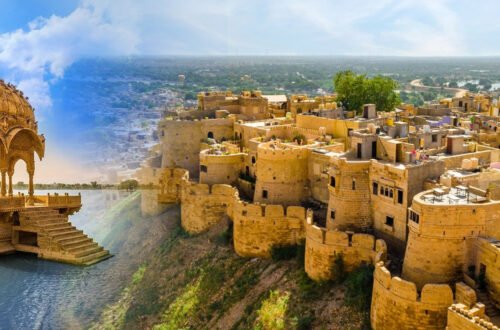
At the center of Jaisalmer’s heritage stands Jaisalmer Fort, built in 1156 AD. Unlike most forts in India, this one is still inhabited. Homes, temples, shops, and cafés function within its ancient walls, making it a rare example of a living fort.
Constructed entirely from yellow sandstone, the fort changes color throughout the day. Morning light gives it a soft glow, while sunset turns it deep gold. Exploring the fort early in the day allows you to appreciate its architecture and everyday life without heavy crowds.
Inside, the Jain temples are notable for their detailed carvings and spiritual calm, reflecting the city’s long-standing religious harmony.
The Role of Trade in Shaping Jaisalmer
Jaisalmer’s rise was closely tied to its position on ancient trade routes connecting India with Central Asia and the Middle East. Merchants passing through the desert brought wealth, culture, and influence. This prosperity is visible in the city’s havelis, which were built not just as homes, but as statements of success and status.
Understanding this trade history adds context to the city’s architecture and explains why such elaborate structures exist in a remote desert region.
Patwon Ki Haveli: Merchant Grandeur
Patwon Ki Haveli is the most elaborate haveli complex in Jaisalmer. Built by a wealthy merchant family, it consists of five interconnected havelis filled with intricate carvings, balconies, and courtyards.
The level of detail reflects both wealth and artistic excellence. Walking through these spaces gives a clear picture of how merchant families lived and how trade shaped their lifestyle.
Salim Singh Ki Haveli: Power in Architecture
Salim Singh Ki Haveli is known for its distinctive peacock-shaped roof and curved balconies. Built by a powerful prime minister, the haveli reflects authority and individuality.
Its narrow base and unusual design make it stand out among Jaisalmer’s structures. Stories associated with Salim Singh add narrative depth, turning architecture into history you can feel.
Nathmal Ki Haveli: Balanced Imperfection
Nathmal Ki Haveli appears symmetrical at first glance, but closer observation reveals subtle differences. Built by two brothers working independently, the structure reflects cooperation without uniformity.
The carvings include influences from outside India, hinting at global connections through trade. Compared to other havelis, it is less crowded and allows for relaxed exploration.
Exploring Heritage with Local Insight
While independent exploration is possible, a structured Jaisalmer Sightseeing Tour helps connect historical facts with local stories. Guides explain architectural techniques, social hierarchies, and cultural symbolism that might otherwise go unnoticed.
This context transforms monuments into meaningful experiences rather than just photo stops.
Hidden Heritage: Gadisar Lake
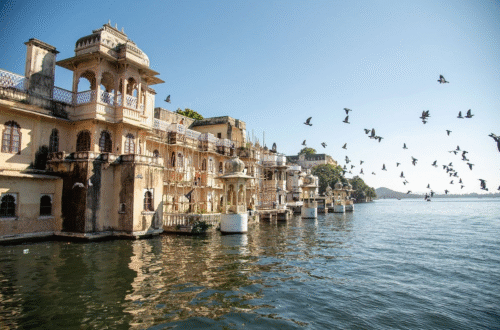
Gadisar Lake is an important yet often overlooked heritage site. Built as the city’s primary water source, it reflects how Jaisalmer adapted to desert life. Temples and ghats surrounding the lake highlight its religious and practical importance.
Early morning or sunset visits offer calm surroundings and beautiful reflections, making it an ideal place to pause during a heritage tour.
Bada Bagh: Royal Memory in Stone
Located outside the city, Bada Bagh houses cenotaphs of Jaisalmer’s rulers. These structures stand quietly against open desert landscapes, offering a reflective space to understand royal lineage and legacy.
The simplicity of the cenotaphs contrasts with the grandeur of forts and havelis, adding emotional balance to the heritage experience.
Experiencing Heritage Beyond Monuments
Jaisalmer’s heritage is not limited to stone structures. Desert life, village traditions, music, and daily routines form an equally important part of its identity.
Staying at the Best Camp In Jaisalmer With Pool allows travelers to experience this side of heritage comfortably. Cultural evenings, local food, and open desert surroundings provide insight into traditions shaped by environment and history.
Royal-Style Living in the Desert
Accommodation can deepen your heritage experience. Staying in a Maharaja Tent In Jaisalmer offers a modern interpretation of royal desert living. Spacious interiors, traditional decor, and personalized service reflect Rajasthan’s hospitality while maintaining comfort.
Such stays help bridge the past and present, making heritage feel lived rather than observed.
Best Time for a Jaisalmer Heritage Tour
The ideal time for a heritage tour is from October to March. Pleasant weather allows comfortable exploration of forts, havelis, and outdoor sites. Summers can be extremely hot, limiting walking tours and overall enjoyment.
Early mornings and late afternoons are best for visiting monuments, both for lighting and comfort.
Final Thoughts
A Jaisalmer heritage tour is a journey through time. From the living fort and merchant havelis to quiet lakes and royal memorials, each site adds a layer to the city’s story. When combined with desert culture and thoughtful exploration, Jaisalmer reveals itself as more than a tourist destination.