Jaisalmer is where culture, history, and desert life intersect naturally. Unlike destinations built purely for tourism, Jaisalmer still feels lived in. Its fort breathes with daily routines, its havelis tell stories of trade and survival, and the Thar Desert shapes the rhythm of everything around it. To experience the city properly, you need to balance heritage exploration with time spent in the desert.
This guide focuses on how to do that without rushing or missing what actually matters.
Understanding Jaisalmer’s Cultural Core
Culture in Jaisalmer is not confined to museums or performances. It is visible in architecture, food, music, and daily life. Start inside Jaisalmer Fort early in the morning. The fort is still home to families, temples, and small businesses. Walking its lanes quietly gives you a sense of how history continues rather than being preserved behind barriers.
Avoid peak hours if you want a meaningful experience. Crowds flatten the character of the place.
Havelis and the City’s Trading Legacy
Patwon Ki Haveli and Nathmal Ki Haveli are essential stops to understand Jaisalmer’s economic past. These structures were built by merchants who controlled trade routes across the desert. Their detailed carvings reflect wealth, ambition, and survival in a harsh environment.
These sites do not require hours. Focus on craftsmanship and stories rather than rushing through every room. One thoughtful visit leaves a stronger impression than an extended, unfocused one.
Gadisar Lake and the Shift in Pace
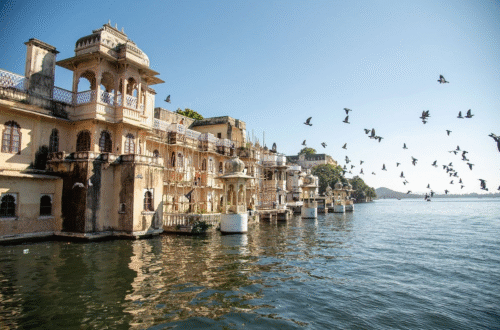
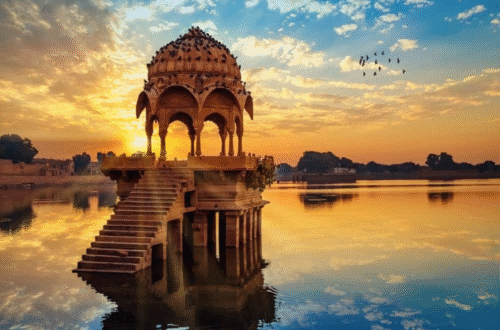
Gadisar Lake offers a softer side of the city. Visit in the late afternoon when the heat fades and the atmosphere calms. It works best as a pause, not a highlight. This is where you mentally prepare to leave the city and step into the desert.
Once you head out toward the dunes, the environment changes quickly. Buildings thin out, silence increases, and the horizon opens up.
Why the Desert Is Central to the Experience
Jaisalmer without the desert is incomplete. Staying at a Jaisalmer Desert Camp places you directly inside the landscape that shaped the city’s culture and history. The desert teaches patience and stillness, something city sightseeing rarely does.
A professionally run camp manages hygiene, safety, food, and activities smoothly. This matters because the desert is not forgiving of poor planning. Comfort and structure allow you to actually enjoy the environment instead of worrying about logistics.
Letting the Desert Unfold Naturally
Arrive at your camp by afternoon. Avoid filling every hour with activity. Walk on the dunes, sit quietly, and observe how the light changes. Desert time feels different, and trying to force a schedule often ruins the experience.
Sunset marks the best moment for exploration and adventure.
Desert Adventures the Right Way
A Jeep Safari in Jaisalmer is the most effective way to explore deeper stretches of the Thar. This is not about thrill-seeking or reckless driving. It is about access, perspective, and understanding the terrain.
Well-managed safaris are guided by local drivers who respect the desert and know how to navigate it safely. Expect wide dunes, open views, and a calm sunset experience. If it feels rushed or unsafe, it is poorly executed.
Choosing the Right Stay in the Desert
Where you sleep shapes how you remember the desert. A Luxury Tent in Jaisalmer suits travelers who want comfort without disconnecting from the surroundings. These tents provide proper bedding, attached bathrooms, insulation for cold nights, and enough space to relax.
For travelers who prefer simplicity with reliability, a Deluxe Tent in Jaisalmer is a practical option. It works well for families, groups, and guests who spend most of their time outdoors. Cleanliness and ventilation matter far more than decorative details in the desert.
Cultural Evenings in the Desert
Cultural performances are common at desert camps, but quality varies. The most meaningful ones are modest and respectful. Folk music and dance should feel like shared storytelling, not a loud stage show.
When culture is presented simply, it blends naturally with the desert environment instead of overpowering it.
Food as a Cultural Experience
A Dinner on Dunes is more than a meal. Sitting on the sand under open skies, with traditional food and soft lighting, creates an atmosphere that encourages conversation and reflection.
This experience is not about variety or luxury plating. It is about setting. The desert strips things down to what matters, and food becomes part of that simplicity.
Nights and Mornings in the Thar
Desert nights are cold, even in winter. Warm layers are essential. The silence is complete, which allows for deep, uninterrupted sleep.
Early mornings are equally rewarding. The light is gentle, the air is still, and even a short walk feels grounding. This quiet balance between night and morning completes the desert experience.
Best Time to Visit for Culture and Desert Travel
October to March is the most comfortable period. Days remain pleasant, nights are cool, and all desert activities operate smoothly. December and January nights can get cold, but proper clothing makes them enjoyable.
Summer travel is difficult due to extreme heat, and monsoon months add humidity without much benefit. Winter offers the most balanced experience.
Practical Tips for a Smoother Trip
Carry cash when heading into desert areas, as card machines may not work reliably. Download maps and confirmations offline because mobile networks can be inconsistent.
Avoid overplanning. Jaisalmer rewards travelers who leave space for rest and observation. Early mornings and late evenings are always the best times to explore.
Who This Travel Style Suits Best
This guide suits travelers who value depth over speed. Couples seeking quiet, families interested in cultural learning, photographers chasing desert light, and solo travelers looking for space all connect deeply with Jaisalmer.
If nightlife, shopping malls, or constant entertainment are priorities, this destination may feel slow. That slowness is its strength.
Final Thoughts
Jaisalmer reveals itself when culture, history, and desert experiences are treated as one journey rather than separate activities. Spend time in the fort, understand the havelis, stay in the desert, and allow the Thar to slow you down. When you travel this way, Jaisalmer becomes more than a destination. It becomes a lived experience that stays with you long after the journey ends.