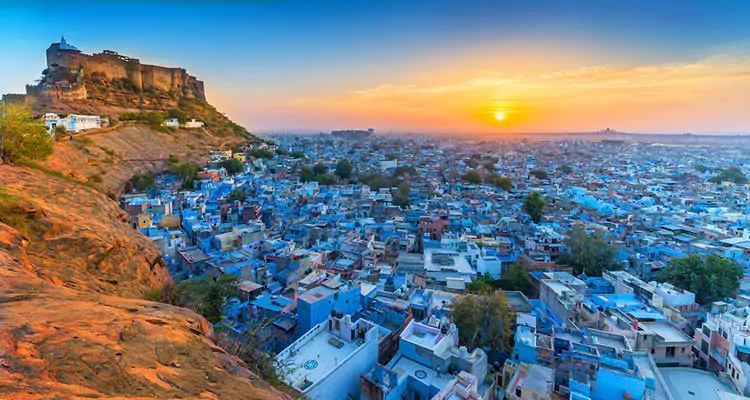
Stepping into the walled old city of Jodhpur is like walking into a living sapphire. As the sun climbs over the Thar Desert, the indigo-washed houses of the Brahmpuri district begin to radiate a cool, ethereal light that contrasts sharply with the golden sands. For travelers seeking a reliable taxi service in jodhpur, the first glimpse of this azure landscape from the heights of Mehrangarh Fort is often a spiritual experience. But beyond the aesthetic appeal that has made it a global icon, the blue hue of Jodhpur is rooted in a fascinating blend of sociology, biology, and local tradition.
The Origins of the Indigo Hue
Historically, the blue color was a social marker. Centuries ago, the Brahmin community—the priestly caste of India—began painting their homes blue to distinguish them from the rest of the population. This “Brahmin Blue” served as a sign of status and sanctity. However, over time, the practice transcended caste lines. The practical benefits of the pigment became evident to all residents, leading to the sprawling “Blue City” we see today. Local wisdom suggests that the specific copper-sulphate-infused lime wash used on the walls serves as a natural deterrent against termites, which were once a significant threat to the structural integrity of these ancient dwellings.
Beating the Thar Desert Heat
Geography plays a massive role in Jodhpur’s architectural choices. Located on the edge of the Thar, the city faces grueling summer temperatures that can soar well above 40°C. The blue paint serves a thermodynamic purpose; blue reflects a portion of the solar radiation, helping to keep the interiors of the thick-walled havelis significantly cooler than the outside air. While modern air conditioning is now available, the traditional blue wash remains an eco-friendly and culturally significant method of climate control. When you embark on a jodhpur sightseeing tour, you will notice that the narrow, winding alleys of the old city remain surprisingly breezy, thanks to the combined effect of these shaded passages and the heat-deflecting properties of the blue walls.
Beyond the Blue: Exploring the Rural Soul
To truly decode Jodhpur, one must look beyond the city gates and into the heart of the Rajasthani countryside. The region is defined by its deep-rooted respect for nature and wildlife. A prime example of this is the historical significance of Khejarli Village Jodhpur, a site that holds immense emotional value for the Bishnoi community. It was here in 1730 that 363 Bishnois sacrificed their lives to protect the sacred Khejri trees from being felled by the King’s men. This legacy of environmental conservation continues to define the spirit of Jodhpur today, where humans, peacocks, and chinkaras coexist in a delicate, beautiful balance.
Navigating the Maze: Tips for Modern Travelers
Navigating the “Blue City” requires a mix of curiosity and local expertise. The old city is a labyrinth of steep climbs and sudden dead-ends that lead to hidden temples or bustling spice markets. For those visiting for the first time, it is essential to have a plan that balances the “big” sights with the “slow” moments.
- Mehrangarh Fort: The sentinel of the city. Visit early in the morning to see the blue houses catch the first light.
- Jaswant Thada: A milky-white marble cenotaph that provides a peaceful contrast to the vibrant blue city below.
- Toorji Ka Jhalra: A stunningly restored stepwell that showcases the intricate water management systems of ancient Rajasthan.
- Sardar Market: Located near the Clock Tower, this is the place to find authentic textiles, handicrafts, and the famous Jodhpuri mishri mawa.
Authenticity in Every Corner
What makes Jodhpur stand out among other Rajasthani cities like Jaipur or Udaipur is its grit and authenticity. While the “Pink City” of Jaipur feels grand and planned, Jodhpur feels organic and raw. The blue isn’t just a coat of paint for tourists; it is a shield against the sun, a tribute to ancestors, and a badge of identity. The people of Jodhpur, known for their warmth and “Marwari” hospitality, carry the pride of their desert heritage in their daily lives. From the way they brew their morning masala chai to the precision of their traditional embroidery, there is a sense of mastery and “expertise” in every craft practiced within these blue walls.
The Best Way to Experience the Blue City
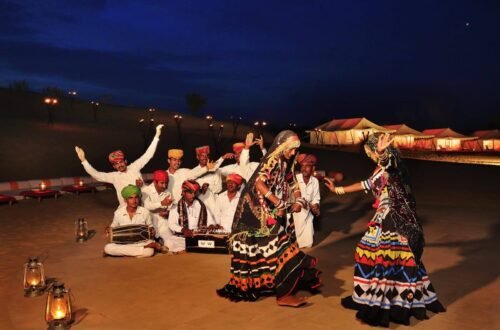
To capture the true essence of Jodhpur, one must be willing to get lost—but also have the means to return safely. Exploring the outskirts, visiting the majestic Umaid Bhawan Palace, or heading out for a village safari requires dependable transport. Choosing a service that understands the local terrain and the stories behind the landmarks ensures that your journey is not just a commute, but a deep dive into the history of the Marwar region. Whether you are photographing the vibrant blue doors or listening to the folk musicians at the fort entrance, Jodhpur promises an experience that is as deep and enduring as the color of its walls.