Exploring the “Blue City” requires more than just a map; it requires an understanding of the rugged terrain, the hidden culinary gems, and the historical pulse that beats through its winding azure alleys. Planning a comprehensive Jodhpur taxi service ensures you navigate this majestic landscape with the ease of a local, allowing the transition from the towering heights of Mehrangarh to the quietude of the desert to feel seamless. This two-day itinerary is designed to maximize your cultural immersion while maintaining a comfortable pace.
Day One: The Royal Heart and Architectural Marvels
Your journey begins at the crack of dawn to witness the sun hitting the Chitar hill. The morning light in Jodhpur is unique, reflecting off the blue-washed houses and creating a photographic brilliance that is hard to replicate elsewhere.
The Ascent to Mehrangarh Fort
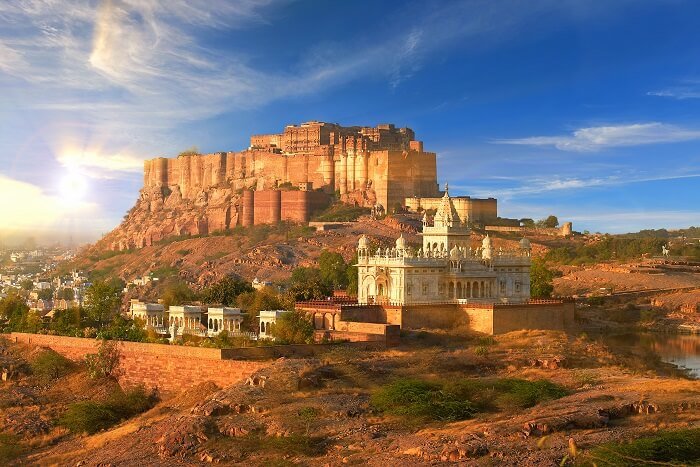
Dominating the skyline from a perpendicular cliff, Mehrangarh Fort is not just a monument; it is a testament to Rathore’s architectural prowess. Built around 1459 by Rao Jodha, the fort houses some of the most intricate lattice work in Rajasthan. As you walk through the seven gates, including the famous Jai Pol and Fateh Pol, the history of various battles becomes tangible. Inside, the Moti Mahal (Pearl Palace) and Phool Mahal (Flower Palace) showcase the opulent lifestyle of the Marwar royals. To truly appreciate the fort, one must look at the “Palki Khana” and the impressive collection of armory which provides an expert look into the military history of the region.
Jaswant Thada: The Cenotaph of Peace
A short distance from the fort lies Jaswant Thada, often referred to as the “Taj Mahal of Marwar.” Built out of thin sheets of polished marble, the structure emits a warm glow when the sun hits it. This is a space for quiet reflection. The memorial grounds feature tiered gardens and a small lake, offering a stark, beautiful contrast to the rugged stone of the fort. It serves as an ideal spot to understand the lineage of the Jodhpur rulers in a serene environment.
Exploring the Stepwells and Old City Markets
By mid-afternoon, head down into the city to visit Toorji Ka Jhalra. This 18th-century stepwell was recently restored and represents the incredible water management systems of ancient India. After admiring the symmetrical stairs, a walk through the Sardar Market near the Clock Tower (Ghanta Ghar) is essential. Here, the air is thick with the scent of Mathania chillies and hand-ground spices. Engaging with the local vendors provides a first-hand experience of the city’s thriving trade culture.
Day Two: Cultural Immersion and Desert Frontiers
The second day is dedicated to the outskirts of the city, where the lifestyle of Rajasthan’s rural communities takes center stage. This transition from urban royalty to rural authenticity is what defines a complete Jodhpur day tour for the discerning traveler.
Umaid Bhawan Palace: A Modern Legend
Start your second day at one of the world’s largest private residences. Part of Umaid Bhawan Palace still serves as the home to the former royal family, while another part is a luxury hotel and a museum. The museum is particularly noteworthy for its collection of vintage cars and Art Deco clocks. The construction of this palace, using “dun-colored” sandstone, was originally a famine relief project, showcasing the deep-rooted connection between the rulers and the welfare of their people.
Mandore Gardens: The Ancient Capital
Before Jodhpur was founded, Mandore served as the capital of the Marwar state. The Mandore Gardens are home to high-rock terraces and the “Shrine of the Three Hundred Million Gods.” The dewals (cenotaphs) here are unique because they are built like Hindu temples rather than the traditional umbrella-shaped chhatris found elsewhere in Rajasthan. Walking through these ruins gives you a sense of the deep historical layers that exist beneath the modern city.
The Bishnoi Village Experience
To witness the soul of the Thar, one must visit the Bishnoi villages. The Bishnoi community is world-renowned for its conservation efforts and its sacred bond with nature. You will likely see Blackbucks and Chinkaras roaming freely near the hamlets. Witnessing a traditional opium ceremony or watching potters and weavers at work offers a glimpse into a lifestyle that has remained largely unchanged for centuries. It is a masterclass in sustainable living and environmental ethics.
Sunset and Sand Dunes
No trip to the Blue City is complete without venturing into the surrounding desert. Booking a jeep safari in jodhour allows you to traverse the undulating dunes of Osian or the rocky outcrops near the city as the sky turns into a canvas of orange and purple. The ruggedness of the Jeep allows access to viewpoints that standard vehicles cannot reach, providing an authoritative perspective on the vastness of the Thar Desert.
Essential Travel Tips for Jodhpur
To ensure your trip is as smooth as the polished marble of the palaces, consider these expert recommendations:
- Connectivity: While the main sites are well-marked, having a reliable local driver is invaluable for navigating the narrow “Pol” (gates) of the old city.
- Cuisine: Do not leave without trying the Pyaaz Kachori at Rawat Mishtan Bhandar or the Shahi Samosa near the Clock Tower. For a full meal, a traditional Rajasthani Thali featuring Ker Sangri is a must.
- Best Time to Visit: The months from October to March offer the most pleasant weather. If you visit in October, you might catch the Rajasthan International Folk Festival (RIFF) at Mehrangarh Fort.
- Attire: Wear comfortable walking shoes. The fort and stepwells involve significant climbing. Respectful clothing that covers shoulders and knees is recommended when visiting local villages and temples.
Jodhpur is a city that rewards those who look beyond the surface. By balancing the iconic landmarks with rural excursions, you gain a trustworthy understanding of why this city remains the cultural heart of Rajasthan. Whether you are marvelling at the blue vistas from a rooftop cafe or watching the sunset over the desert, the memories of the Marwar region stay with you long after the dust has settled.