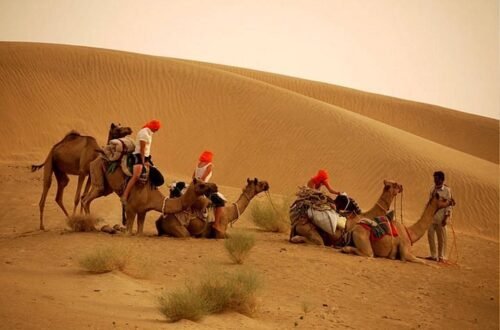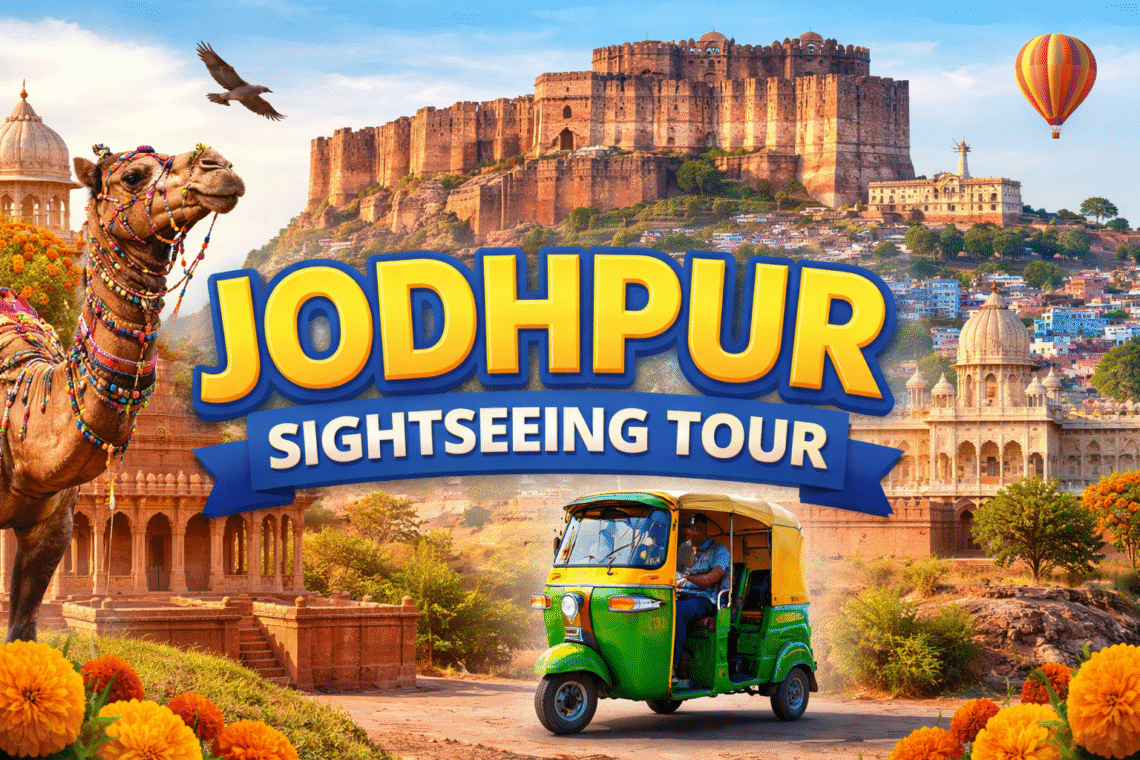
Jodhpur, famously known as the “Blue City” and the “Sun City,” stands as a vibrant testament to Rajasthan’s royal heritage. Nestled on the edge of the Thar Desert, the city is a mesmerizing blend of indigo-hued houses, towering fortresses, and bustling bazaars. Whether you are a history enthusiast, a food lover, or a cultural explorer, Jodhpur offers an experience that is both majestic and intimate. This guide provides a comprehensive look at the best way to navigate the city, its culinary delights, and its deep-rooted traditions.
Planning Your Arrival and Local Transport
Getting around Jodhpur is an adventure in itself, but comfort is key when navigating the desert heat and narrow lanes. While auto-rickshaws are plentiful for short distances in the old city, the most reliable way to explore the sprawling outskirts and royal palaces is by booking a professional Jodhpur taxi service [https://cabtaxiservicejodhpur.com/]. Having a dedicated vehicle allows you to travel between the hilltop forts and remote gardens without the hassle of negotiating fares in the sun.
For those looking for a structured way to see the major landmarks in a single day, a jodhpur sightseeing tour is highly recommended. These tours typically cover the major “must-see” spots with the benefit of a local driver who knows the quickest routes and the best photo vantage points. Using Cab Taxi Service Jodhpur ensures that you remain refreshed between stops, which is essential given the extensive walking required at the larger monuments.
Top Attractions for a Perfect Itinerary
The crown jewel of Jodhpur is undoubtedly the Mehrangarh Fort. Rising 400 feet above the skyline, this 15th-century marvel is one of the largest and best-preserved forts in India. Within its thick walls, you can explore the Moti Mahal (Pearl Palace), Phool Mahal (Flower Palace), and a museum housing an impressive collection of royal palanquins and armory. The panoramic view of the blue houses from the fort’s ramparts is a sight you cannot miss.
Just a short distance from the fort lies Jaswant Thada, a stunning white marble cenotaph built in memory of Maharaja Jaswant Singh II. Often described as the “Taj Mahal of Marwar,” its intricate carvings and peaceful lakeside gardens offer a quiet retreat from the city’s hustle. Further afield, the Umaid Bhawan Palace showcases 20th-century luxury. While a portion of it remains a royal residence and another a luxury hotel, the museum section provides a fascinating look into the lifestyle of the Rathore dynasty, including a collection of vintage cars.
Culinary Delights and Street Food
Jodhpur is a paradise for foodies, known for flavors that are as bold as the city’s colors. A traditional Jodhpuri breakfast usually starts with a “Mirchi Vada”—a large green chili stuffed with spiced potato masala, dipped in gram flour, and deep-fried. Another local staple is the “Pyaaz Kachori,” a flaky pastry filled with a savory onion mixture that is best enjoyed with a cup of hot masala chai.
For those with a sweet tooth, the “Mawa Kachori” is a legendary invention of the city. Stuffed with rich milk solids and dry fruits before being dipped in sugar syrup, it is the ultimate indulgence. To wash it all down, visit the Sardar Market near the Clock Tower for a famous “Makhaniya Lassi.” This thick, saffron-flavored yogurt drink is topped with a generous dollop of cream and is often thick enough to be eaten with a spoon. If you are looking for a full meal, the Rajasthani Thali featuring “Dal Baati Churma” and “Gatte ki Sabzi” provides a complete taste of the region’s culinary soul.
Immersing in Jodhpur Culture
The culture of Jodhpur is defined by the warmth of its people and their vibrant traditions. The city is famous for its textiles, particularly the “Bandhani” (tie-dye) and “Leheriya” (wave patterns) fabrics. Walking through the narrow alleys of the Blue City, you will see local artisans at work, creating everything from embroidered leather shoes (mojaris) to intricate silver jewelry and lacquer bangles.
Music and dance are integral to the local identity. If your visit coincides with the Rajasthan International Folk Festival (RIFF) or the Marwar Festival, you will witness the desert come alive with the sounds of the “Sarangi” and the energetic “Ghoomar” dance. Even on regular evenings, many heritage hotels and desert camps offer folk performances that reflect the heroic tales of the Rajput warriors.
Practical Tips for Travelers
To make the most of your trip, timing is everything. The best time to visit Jodhpur is between October and March when the weather is pleasant and cool. During these months, the daytime temperatures are ideal for sightseeing, though the nights can get surprisingly chilly, so packing a light jacket is wise.
When visiting religious sites or walking through traditional neighborhoods, it is respectful to dress modestly. While Jodhpur is a very safe city for tourists, it is always helpful to have a local contact or a reliable transport provider. Whether you are heading to the Stepwell Café for a sunset view or driving out to the Mandore Gardens to see the ancient royal cenotaphs, having a planned itinerary and a trusted vehicle will ensure your Jodhpur experience is nothing short of magical.