Nestled in the heart of Rajasthan, Khejarli Village is a living testimony to India’s timeless values of environmental conservation, sacrifice, and devotion. A trip to this iconic destination is often included in a jodhpur sightseeing tour, offering travelers an authentic glimpse into Rajasthan’s rural heritage and the legendary story of the Bishnoi community. This small village, located about 25 km from Jodhpur, is not only a serene escape but also a powerful reminder of how one community’s courage changed the course of environmental awareness in India.
The Historical Significance of Khejarli Village
Khejarli Village holds immense historical value, tracing back to the early 18th century. It was here that the Bishnoi villagers made the ultimate sacrifice to protect the sacred Khejri trees, which were central to their way of life. In 1730, under the rule of Maharaja Abhay Singh of Marwar, royal soldiers were sent to cut down trees for building materials. However, the Bishnoi villagers, led by the courageous Amrita Devi, resisted the deforestation. In a remarkable act of non-violent protest, she declared, “A chopped head is cheaper than a felled tree,” and embraced the tree tightly. Inspired by her courage, more than 360 Bishnoi men, women, and children sacrificed their lives to protect the trees.
This tragic yet heroic incident became a cornerstone of India’s early environmental movements. The name “Khejarli” itself is derived from the Khejri tree, a symbol of life and sustenance in the desert. Today, the site stands as a monument to these eco-warriors, inspiring visitors from around the world to respect and preserve nature.
Exploring Khejarli Village: What to See and Experience
A visit to Khejarli Village Jodhpur is not just a sightseeing experience; it’s an emotional and cultural journey that immerses you in Rajasthan’s deep-rooted traditions. Travelers can witness the Amrita Devi Memorial, a humble yet powerful monument honoring the Bishnoi martyrs. The site features engraved stones inscribed with the names of those who sacrificed their lives, serving as a reminder of their bravery.
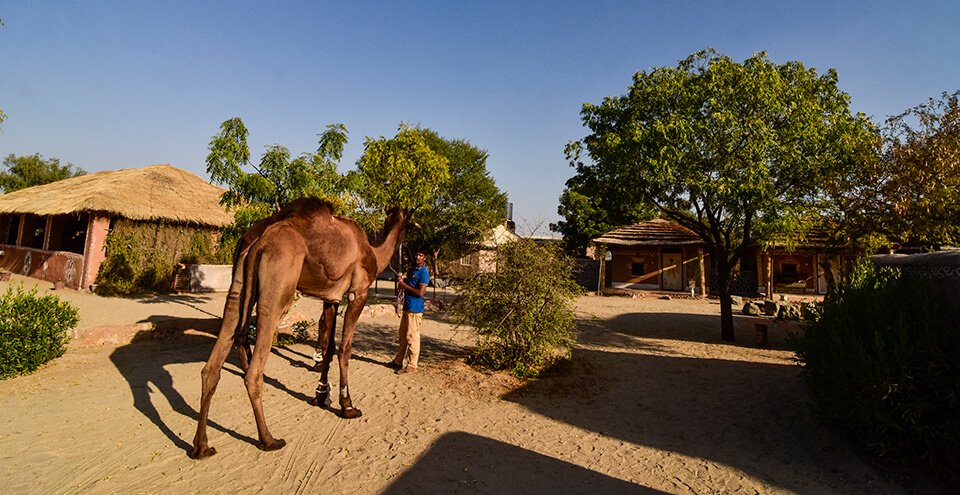
Apart from its historical significance, the village is a window into the Bishnoi way of life. The community’s deep respect for nature is evident in every aspect of daily living. Tourists often enjoy interacting with the locals, learning about their customs, and observing their sustainable lifestyle — from their vegetarian diet to their efforts in wildlife protection. You may even spot blackbucks, peacocks, and other wildlife living harmoniously with humans, a testament to the Bishnoi philosophy of coexistence.
How to Reach Khejarli Village
The most convenient way to reach Khejarli is by booking a taxi in Jodhpur. The village is approximately an hour’s drive from the main city, making it an ideal half-day trip. Travelers can also hire local guides who share captivating stories about the Bishnoi legacy and ensure you don’t miss any important landmarks. The roads leading to the village are scenic, dotted with desert landscapes and small hamlets that showcase the rustic charm of Rajasthan.
For those interested in exploring beyond Khejarli, combining your visit with nearby attractions like Guda Bishnoi Lake or Salawas village can make your trip even more enriching. These locations offer opportunities for cultural photography, wildlife spotting, and interactions with traditional artisans who still practice age-old crafts.
The Cultural and Ecological Importance of Khejarli
The Bishnoi community’s teachings emphasize the importance of living in balance with nature. The 29 principles of the Bishnoi faith, established by Guru Jambheshwar, promote kindness towards all living beings and discourage the felling of trees. This belief system has helped preserve biodiversity in the arid lands of Rajasthan for centuries.
Visitors often find Khejarli to be a place of spiritual awakening. The peaceful atmosphere, combined with the villagers’ hospitality, creates a sense of connection to both culture and nature. The Khejarli Massacre site continues to attract researchers, environmentalists, and travelers seeking inspiration in eco-conscious living.
Best Time to Visit Khejarli Village
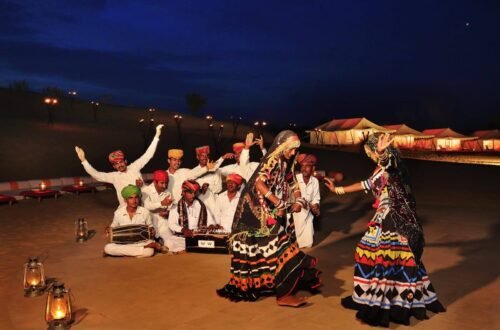
The best time to plan your Khejarli Village tour is between October and March when the weather is pleasant and ideal for outdoor exploration. During this period, visitors can also experience local fairs, folk performances, and community gatherings that highlight Rajasthani music and dance traditions.
If you visit during September, you may witness the Amrita Devi Bishnoi Mela, an annual event commemorating the martyrs. The fair brings together villagers and travelers alike to pay homage through cultural programs, songs, and environmental awareness campaigns.
Travel Tips for Visitors
- Respect Local Customs: The Bishnoi people follow strict ethical and environmental codes. Avoid littering or damaging plants.
- Dress Modestly: As the community is conservative, respectful attire is appreciated.
- Carry Essentials: Keep water, sunscreen, and a hat handy for protection against the desert sun.
- Photography Etiquette: Always ask permission before photographing locals or religious sites.
- Plan a Guided Tour: A local guide can provide valuable insights and ensure a more meaningful experience.
Why Visit Khejarli Village?
Khejarli is more than just a tourist destination; it’s a symbol of India’s ecological wisdom. The stories you’ll hear, the people you’ll meet, and the serenity you’ll experience make it a must-visit destination for anyone seeking to understand the heart of Rajasthan. Whether you’re a history enthusiast, a nature lover, or a cultural explorer, Khejarli offers something unique for everyone.
A trip here not only connects you to the legacy of the Bishnoi community but also leaves you reflecting on the importance of environmental balance in modern times. When planning your next journey through Jodhpur, be sure to include Khejarli Village — it’s an experience that transcends tourism and touches the soul.