Rajasthan is a land where spirituality meets architectural grandeur, and nowhere is this more evident than in the twin cities of Ajmer and Pushkar. For travelers seeking a blend of Sufi mysticism and ancient Hindu traditions, finding a reliable travel agency in rajasthan is the first step toward crafting a seamless itinerary. These two cities, separated only by the Nag Pahar (Snake Mountain), offer a profound cultural experience that remains a cornerstone of the desert state’s identity. While Ajmer serves as a gateway to divine devotion at the Dargah Sharif, Pushkar provides a serene escape with its sacred lake and the world’s few temples dedicated to Lord Brahma.
Navigating Ajmer: The Heart of Devotion
Ajmer is a city defined by its deep-rooted history and the soulful echoes of the Qawwali. The centerpiece of any Ajmer visit is the Dargah of Moinuddin Chishti. Navigating the narrow, bustling lanes leading to the shrine requires a bit of patience, but the atmosphere of faith is palpable. When mapping out your day, it is best to visit the Dargah early in the morning to avoid the heaviest crowds. Just a short walk away lies the Adhai Din Ka Jhonpra, a mosque built from the ruins of Hindu and Jain temples, showcasing a unique blend of Indo-Islamic architecture. The intricate carvings on its pillars and arches provide a silent testimony to the city’s complex past. For a change of pace, the map should lead you toward Ana Sagar Lake. This man-made lake is perfect for a sunset stroll, especially near the “Baradari” or marble pavilions built by Emperor Shah Jahan. The view of the Daulat Bagh gardens against the backdrop of the shimmering water offers a moment of tranquility amidst the urban chaos.
Exploring the Spiritual Vibe of Pushkar
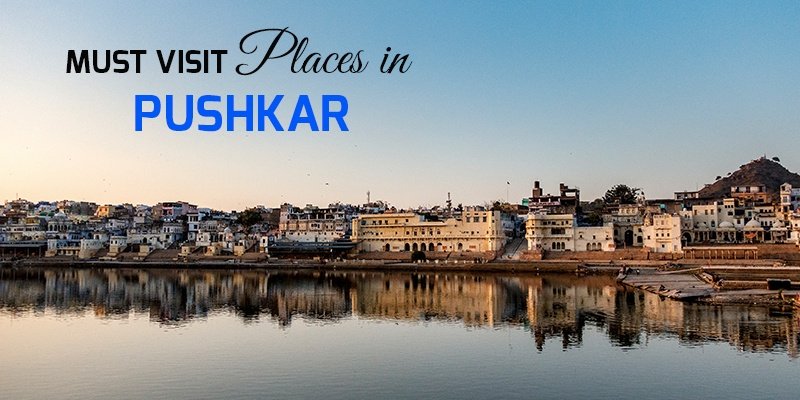
Crossing over the hills into Pushkar feels like entering a different realm. Pushkar is one of the oldest existing cities in India and holds a significant place in any Rajasthan Temples Tour due to its immense religious importance. The layout of Pushkar centers around the holy Pushkar Lake, which features 52 ghats where pilgrims take ritual dips. The walking map here is circular; you can easily navigate the town on foot, moving from the Varaha Temple to the Apteshwar Temple. The most iconic landmark remains the Brahma Temple, distinguished by its bright red spire and the image of a “hansa” or swan. Beyond the spirituality, Pushkar is a hub for backpackers and culture enthusiasts. The main market is a long, winding street filled with vibrant textiles, silver jewelry, and the famous Malpua sweets. For those who want to see the city from a different perspective, a hike up to the Savitri Temple at sunrise offers a panoramic view of the entire desert landscape and the town below.
Luxury and Comfort in the Desert
While the spiritual journey is central to this region, modern travelers often seek the refinement of high-end hospitality. Many visitors choose to integrate these twin cities into wider Rajasthan luxury tour packages to ensure they experience the rugged beauty of the Aravallis without compromising on comfort. Staying at a heritage haveli or a luxury tented camp on the outskirts of Pushkar allows you to witness the rural charm of Rajasthan while enjoying world-class amenities. This balance of the ancient and the opulent is what makes a trip to Ajmer and Pushkar truly unforgettable. Whether you are exploring the Jain golden carvings at the Nareli Gyandaya Teerth in Ajmer or watching the evening Aarti at the Pushkar ghats, the quality of your accommodation and transport plays a vital role in the overall experience.
Practical Tips for Your Sightseeing Map
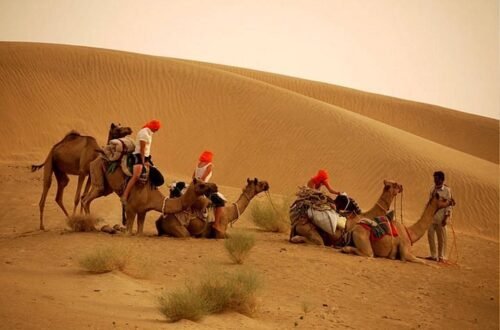
To make the most of your trip, timing is everything. The ideal months to visit are between October and March when the desert heat is manageable. If your visit coincides with the Hindu month of Kartik (usually November), you will witness the world-famous Pushkar Camel Fair, an event that transforms the quiet town into a kaleidoscope of colors, livestock trading, and folk performances. However, be prepared for large crowds during this time. For transportation, while the cities are close, hiring a local guide can help you uncover hidden gems like the Akbar’s Palace and Museum in Ajmer, which houses a collection of Mughal and Rajput armor. Always remember to dress modestly when visiting shrines and temples, and keep your footwear in designated areas. By planning your route strategically—starting with the intense energy of Ajmer and concluding with the bohemian peace of Pushkar—you create a travel narrative that captures the true essence of Rajasthan’s soul.