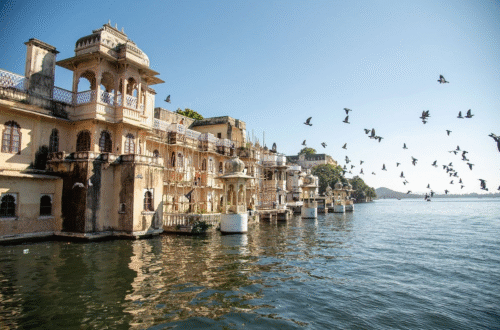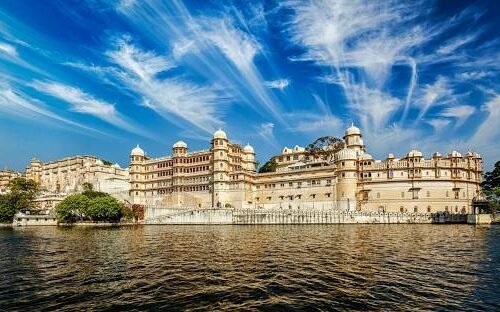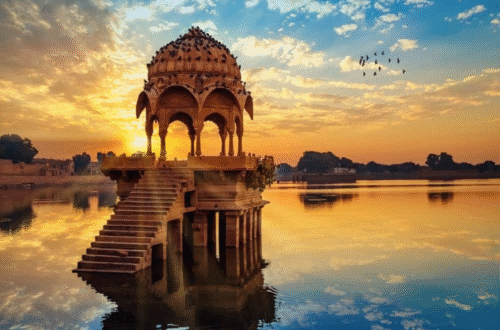
Rajasthan is often sold as a land of forts and palaces, but that description barely captures what the state truly offers. History here is not locked behind museum walls. Food is not just cuisine, it is survival wisdom passed down generations. And local life is not a performance for tourists, it is lived openly every day. If you want to understand Rajasthan properly, you need to experience all three together.
This guide focuses on how history, food, and local life blend into one continuous experience across the state.
History That Lives in Everyday Spaces
Rajasthan’s history is not limited to famous landmarks. It exists in city layouts, water systems, markets, and even daily routines. Forts were not built only for defense or beauty. They were administrative centers, community hubs, and symbols of long-term planning.
Walking through old city areas, you will notice narrow lanes designed for shade, stepwells built to conserve water, and markets placed strategically near residential zones. These details explain how people lived, not just how rulers ruled.
To understand Rajasthan’s past, slow down. Spend time in old neighborhoods. Observe how modern life continues around structures that are hundreds of years old. This coexistence is what makes Rajasthan’s history feel alive rather than preserved.
Nature and History Are Closely Linked
Many travelers separate history and nature, but in Rajasthan they are deeply connected. Forests, deserts, and wildlife influenced settlement patterns, trade routes, and political boundaries.
Exploring this side through Rajasthan Wildlife Tour Packages adds important context to the state’s history. Wildlife zones reveal how communities adapted to harsh climates, protected resources, and respected natural cycles. These areas are not just about animals, they are about survival strategies that shaped culture.
Including wildlife experiences in your trip helps you see Rajasthan as a living ecosystem, not just a historical stage.
Food That Tells the Real Story
Rajasthani food is one of the most honest expressions of the state’s character. Limited water, extreme heat, and long travel distances shaped cooking methods that focus on durability, nutrition, and flavor.
Dishes like dal baati churma, gatte ki sabzi, ker sangri, and traditional sweets were not designed for indulgence. They were designed to last, sustain, and nourish. Every ingredient choice reflects the environment.
To experience food properly, avoid sticking only to hotel menus. Eat where locals eat. Try thalis to understand variety. Pace yourself because the food is rich and filling.
Food in Rajasthan is not rushed. Meals are meant to ground you, not impress you.
Local Life Beyond Tourist Areas
The most meaningful experiences in Rajasthan often happen away from major attractions. Morning routines, evening gatherings, local markets, and community interactions show you how people actually live.
Sit in a local tea stall. Walk through a market without shopping. Observe how vendors interact, how neighbors greet each other, how evenings slow down after sunset. These moments reveal social values that no guidebook explains properly.
Local life here is rooted in patience, respect, and hospitality. When you take time to observe, you are often welcomed naturally.
Jaisalmer: History and Daily Life in the Desert
Jaisalmer offers a clear example of how history and local life overlap. The fort is not an isolated monument. People still live inside it. Shops, homes, temples, and cafés function within ancient walls.
Beyond the fort, desert villages, abandoned settlements, and quiet stretches show how life adapts to extreme conditions. Exploring these areas is not always easy on your own. Using a Jaisalmer Local Sightseeing Taxi allows you to move comfortably and safely while learning from drivers who understand the region deeply.
This kind of exploration helps you see Jaisalmer as a living city, not just a postcard.
Markets as Cultural Classrooms
Markets in Rajasthan are not just places to buy things. They are social spaces where culture unfolds daily. Artisans, traders, and customers interact in ways shaped by long-standing traditions.
You will notice bargaining as conversation, not confrontation. You will see craftsmanship passed from one generation to another openly. These markets teach you more about Rajasthan’s economy and values than any museum display.
If you want souvenirs with meaning, buy less but buy thoughtfully.
Celebrations as Part of Local Life
Rajasthan celebrates often and openly. Weddings, festivals, and religious events bring entire communities together. These are not private affairs. Music, color, and rituals spill into streets and public spaces.
Cities like Udaipur are famous for grand celebrations, but even small towns host deeply traditional events. Managing movement during such occasions requires planning, which is why Wedding Transportation Services in Udaipur play an important role. Smooth logistics allow celebrations to remain joyful and immersive rather than chaotic.
For travelers, witnessing these events offers insight into social bonds and shared values.
How to Experience Rajasthan Properly
Do not rush.
Plan fewer destinations.
Balance cities with nature.
Eat slowly and thoughtfully.
Talk to locals and listen more than you speak.
Rajasthan rewards curiosity and patience far more than speed.
Common Mistakes Travelers Make
Trying to cover too much too fast
Ignoring local advice
Overplanning every hour
Treating culture as entertainment instead of lived reality
Avoid these, and Rajasthan opens up naturally.
Final Thoughts
Rajasthan is not just a destination for history lovers or food enthusiasts. It is for travelers who want to understand how people live within their past, environment, and traditions.
When you experience history in daily spaces, food as cultural knowledge, and local life as it truly exists, Rajasthan stops feeling overwhelming and starts feeling human.