Nestled in the heart of Rajasthan, Ranthambore National Park is a rugged, mystical terrain where the echoes of history meet the raw power of the wild. For many, the ultimate dream is to catch a glimpse of the Royal Bengal Tiger stalking through ancient ruins, a sight that makes this the best resort in ranthambore a top choice for travelers seeking both adventure and tranquility. While the tiger is undoubtedly the king here, the park’s biodiversity offers much more to the keen observer than just its famous stripes.
The Crown Jewel: Bengal Tigers of Ranthambore
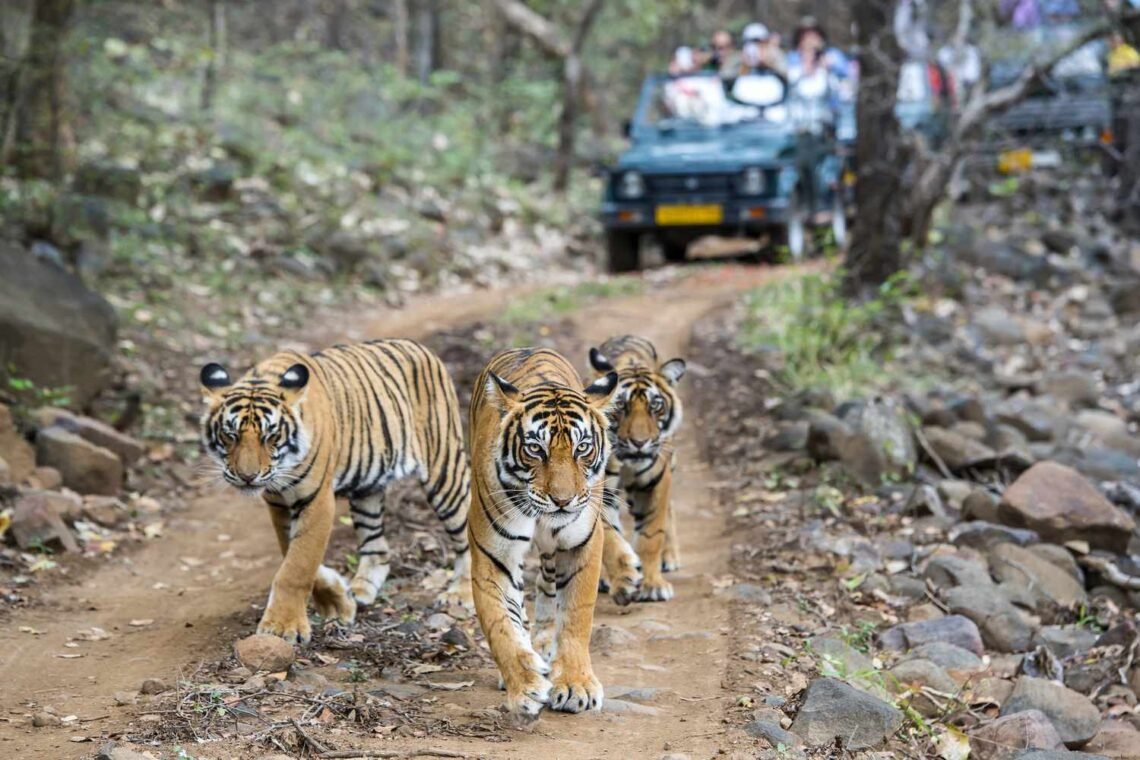
The Bengal Tiger is the primary attraction, and Ranthambore is globally recognized as one of the best places to witness these predators in their natural habitat. Unlike many other parks, Ranthambore’s tigers are known to be active even during the day, especially near the picturesque lakes like Padam Talao and Rajbagh. The dry deciduous forest provides a dramatic backdrop for photography, where the orange-and-black coats of the big cats contrast beautifully against the golden grasslands. To truly soak in this experience without the rush, many couples opt for a Ranthambore 2N 3D Couple Package to balance thrilling morning safaris with romantic evenings under the stars.
The Elusive Leopard: Ghost of the Mountains
While tigers dominate the valleys, the Indian Leopard claims the rocky outcrops and steeper slopes. These elusive cats are master of camouflage, often spotted in the hilly terrains of Zone 6 or the Kachida Valley. Spotting a leopard requires a sharp eye and a bit of luck, as they are shy and tend to avoid the larger tigers. Their presence adds a layer of mystery to the forest, making every turn of the safari vehicle a potential encounter with one of nature’s most graceful hunters.
Sloth Bears and Striped Hyenas: The Unique Residents
Beyond the feline predators, Ranthambore is home to the shaggy-coated Sloth Bear. Often found foraging for termites or enjoying the sweet fruit of the Mahua tree, these bears are a delight to watch, especially when mothers are seen carrying cubs on their backs. Another fascinating scavenger is the Striped Hyena, usually active during the twilight hours. Their eerie calls and distinctive appearance make them a prize sighting for wildlife enthusiasts who appreciate the full spectrum of the jungle’s food chain.
Herbivores and the “Alarm Call” Network
The park’s ecosystem is supported by a healthy population of herbivores. The Sambar Deer, India’s largest deer, is frequently seen wading through the lakes to feed on aquatic plants. You will also encounter the graceful Chital (Spotted Deer), the Nilgai (Blue Bull), and the nimble Chinkara. These animals are more than just prey; they are the “eyes and ears” of the forest. Their sharp alarm calls often provide the first clue to a predator’s movement, alerting both the jungle and lucky tourists to a nearby tiger.
A Birdwatcher’s Paradise
With over 300 species of birds, Ranthambore is a haven for ornithologists. From the majestic Crested Serpent Eagle and the Painted Stork to the vibrant Kingfisher, the avian life here is spectacular. The many water bodies within the park attract migratory birds during the winter months, turning the lakes into a fluttering mosaic of colors. Whether you are a professional photographer or a casual observer, the diversity of feathers is as captivating as the fur of the big cats.
Planning Your Wilderness Retreat
To truly appreciate the exotic wildlife of this region, staying at a luxury resort in ranthambore ensures that your journey is as comfortable as it is adventurous. Expert naturalists at these establishments can help you understand the nuances of the jungle, from identifying pugmarks to recognizing the distinct scents of the forest. Exploring Ranthambore is not just about a single sighting; it is about immersing yourself in a living, breathing ecosystem where every creature plays a vital role in the story of the wild.