Gemini said
Finding a reliable taxi service in jodhpur is the first step toward uncovering the soul of the Blue City. For history enthusiasts, Jodhpur is not just a destination; it is a living museum where every sandstone brick tells a story of valor, royalty, and architectural genius. Navigating the winding lanes and towering forts requires local insight, ensuring that you don’t just see the monuments but truly experience the heritage they represent. By choosing experienced local drivers, travelers gain an authentic perspective on the Rathore dynasty’s legacy, moving beyond the surface-level tourist experience to understand the cultural heartbeat of Rajasthan.
The Majestic Mehrangarh Fort: A Citadel of the Sun
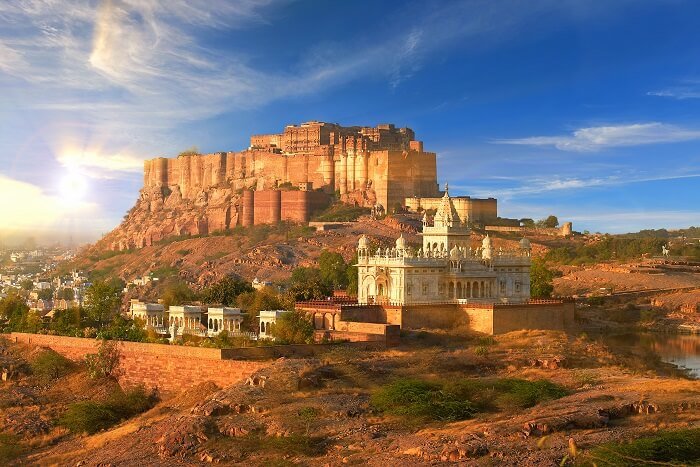
No exploration of Jodhpur is complete without standing at the foot of Mehrangarh Fort. Rising 400 feet above the city skyline, this 15th-century marvel is a masterclass in Rajput military architecture. Built by Rao Jodha in 1459, the fort remains one of the largest and best-preserved in India. As you walk through the seven massive gates, such as Jai Pol and Fateh Pol, you can still see the marks of cannonballs from historical battles, serving as a visceral reminder of the city’s turbulent yet proud past.
Inside the fort, the museum houses an extraordinary collection of palanquins, royal cradles, and armor. The Phool Mahal (Flower Palace) and Sheesh Mahal (Mirror Palace) showcase the opulent lifestyle of the Maharajas, with intricate gold leaf work and stained-glass windows that play with the harsh desert sunlight. For those looking to capture the essence of the city in a single day, a comprehensive Jodhpur sightseeing tour typically centers around this fortress, allowing visitors to spend ample time absorbing the details that a rushed itinerary might overlook. The panoramic view from the ramparts, overlooking the sea of indigo-colored houses, provides the definitive “Blue City” photograph that has captivated travelers for centuries.
Jaswant Thada: The Taj Mahal of Marwar
A short drive from the bustling fort leads to the serene Jaswant Thada, a cenotaph built in 1899 in memory of Maharaja Jaswant Singh II. Often referred to as the “Taj Mahal of Marwar,” this architectural gem is constructed entirely out of thinly carved sheets of polished marble. These marble sheets are so delicate that they emit a warm, ethereal glow when the sun’s rays hit them, creating a peaceful atmosphere that stands in stark contrast to the ruggedness of Mehrangarh.
The grounds of Jaswant Thada feature tiered gardens, a small lake, and carved gazebos. It serves as a quiet sanctuary for reflection, away from the city’s chaotic energy. History buffs will appreciate the portraits of the Rathore rulers housed within the monument, providing a visual lineage of the men who shaped Jodhpur’s destiny. The craftsmanship involved in the ornate carvings and the peaceful lakeside setting makes it a priority on any list of Things to Do in Jodhpur. It is a place where the grandeur of the past meets the tranquility of the present, offering a unique glimpse into the royal tradition of honoring the deceased with artistic brilliance.
Umaid Bhawan Palace: A Modern Marvel of Heritage
While Mehrangarh represents the ancient roots of Jodhpur, Umaid Bhawan Palace represents its transition into the modern era. Built between 1928 and 1943, it is one of the world’s largest private residences and remains the home of the current royal family. The palace was commissioned during a period of severe drought to provide employment to the local population, showcasing the benevolent relationship between the rulers and their subjects.
The palace is an architectural hybrid, blending Art Deco styles with traditional Rajput design. Constructed using “chittar” sandstone, the structure was assembled without the use of mortar; instead, the stones were carved to interlock perfectly. Today, a portion of the palace serves as a museum, displaying an impressive collection of vintage clocks, royal memorabilia, and a magnificent classic car collection parked in the lush gardens. Exploring the museum gives visitors an understanding of how Jodhpur adapted its royal identity during the mid-20th century. The sheer scale of the golden-hued palace, set amidst 26 acres of gardens, stands as a symbol of Jodhpur’s enduring resilience and sophistication.
Navigating Jodhpur Like a Local
Understanding the historical significance of these landmarks is only half the journey; the other half is logistical. Jodhpur’s geography is a mix of high-altitude forts and narrow, congested medieval streets. To make the most of a historical pilgrimage, timing is essential. Visiting Mehrangarh in the early morning allows you to beat the desert heat and the heavy crowds, while Jaswant Thada is best experienced during the “golden hour” just before sunset.
Reliable transportation is the backbone of a successful trip. Having a dedicated vehicle allows you to transition seamlessly between these three major landmarks without the stress of negotiating fares or finding routes in the labyrinthine Old City. Local expertise ensures that you spend less time in transit and more time engaging with the curators and guides who keep Jodhpur’s history alive. Whether you are a solo traveler seeking a deep dive into the archives or a family looking to witness the grandeur of Rajasthan, these three landmarks provide a comprehensive narrative of a city that has remained timeless for over half a millennium.