Discover the architectural grandeur and deep-seated history of one of Rajasthan’s most iconic landmarks. Whether you are planning a solo adventure or a family holiday, booking a reliable Jaisalmer cab service ensures you can transition seamlessly between the Golden City and the Blue City, arriving at the gates of the Citadel of the Sun ready to explore.
The Legacy of Rao Jodha: A Glimpse into the Past
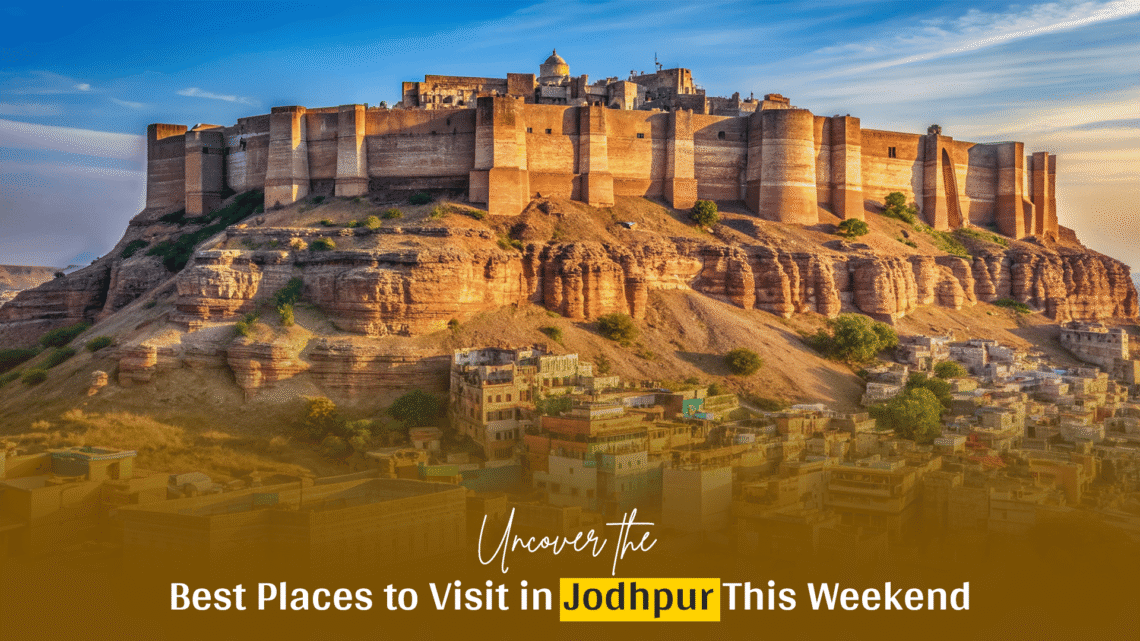
Mehrangarh Fort is not merely a structure of stone; it is a living testament to the Rathore dynasty. Built in 1459 by Rao Jodha, the fort stands 410 feet above the city skyline, perched on a perpendicular cliff known as Bhakurcheeria, the Mountain of Birds. Its massive walls, which reach up to 118 feet in height and 70 feet in width, were designed to be impenetrable. As you walk through the seven gates, or ‘Pols,’ you are walking through layers of history. Each gate tells a story of victory or defense. For instance, the Lohapol (Iron Gate) still bears the tragic handprints of the ranis who committed sati in the 1800s, serving as a somber reminder of the fort’s complex social history.
Must-See Attractions Within the Citadel
The interior of the fort is a sprawling complex of palaces, courtyards, and galleries. Each section is meticulously decorated with intricate carvings and expansive courtyards that showcase the “Marpati” style of architecture.
- Moti Mahal (Pearl Palace): This is the oldest palace within the fort. The walls are finished with crushed seashells, giving them a pearly luster. The ceiling is decorated with gold leaf and mirrors, creating a shimmering effect that once lit up the court of the Maharaja.
- Phool Mahal (Flower Palace): This was a private chamber for the kings. It is perhaps the most opulent room in the fort, adorned with gold filigree and vibrant paintings depicting various Ragas of Indian classical music.
- Sheesh Mahal (Hall of Mirrors): A stunning example of glasswork, where thousands of tiny mirrors reflect light to illuminate the entire hall, designed to mimic the starry night sky.
The Mehrangarh Museum: A Royal Collection
One of the most well-preserved museums in India is located within these walls. It houses an extensive collection of palanquins, howdahs (elephant seats), royal cradles, miniatures, and musical instruments. The ‘Howdah Gallery’ is particularly impressive, featuring the silver-plated “Hathi Howdah” presented to the Maharaja by the Mughal Emperor Shah Jahan. For those on a comprehensive Jodhpur sightseeing tour, the museum provides the necessary context to understand the wealth and military prowess of the Marwar rulers. The weaponry section is also a highlight, showcasing swords with hilts made of jade, silver, and gold, alongside shields decorated with precious stones.
Strategic Fortifications and the View from the Top
As you ascend to the ramparts, you will encounter the impressive collection of cannons. The most famous among them is the Kilkila Cannon, a massive piece of artillery that was believed to strike fear into enemies from miles away. From this vantage point, you get the clearest view of why Jodhpur is called the “Blue City.” The sea of indigo-hued houses stretching toward the horizon provides a stunning contrast against the desert landscape. This specific view is a favorite for photographers and history enthusiasts alike, offering a perspective on how the city grew under the protection of the fort.
Planning Your Visit: Practical Tour Information
To truly appreciate Mehrangarh Fort Jodhpur, it is recommended to arrive early in the morning or during the late afternoon to avoid the peak desert heat. The fort is open daily from 9:00 AM to 5:00 PM. While there is an elevator available for those with mobility issues, walking the cobbled paths allows you to experience the acoustic brilliance and the strategic layout of the gates. Hiring a local guide or using the audio guide service is highly encouraged, as the nuances of the carvings and the tactical design of the “zigzag” entry paths—intended to prevent elephant charges—are best understood through expert narration.
Cultural Experience: Folk Music and Local Crafts
A visit to the fort is more than a history lesson; it is a sensory experience. As you move through the courtyards, you will often hear the soulful sounds of the Langa and Manganiyar musicians performing traditional Rajasthani folk songs. These artists have been patrons of the royal family for generations, and their music adds an ethereal layer to the atmosphere. Additionally, the fort museum shop offers high-quality crafts, including hand-painted miniatures and textiles, allowing visitors to take a piece of Marwar’s artistic legacy home with them.
Why Expert Transport Matters
Navigating the routes between the heritage sites of Rajasthan requires local expertise. Choosing a professional service allows you to focus on the storytelling and the scenery rather than the logistics of desert driving. Since the journey from Jaisalmer to Jodhpur involves passing through several historical waypoints, having a dedicated driver who understands the terrain ensures that your arrival at the fort is timely and stress-free. This allows you to spend more time exploring the hidden corners of the palaces and less time worrying about parking or navigation in the narrow lanes of the old city.
Final Thoughts on the Marwar Marvel
Mehrangarh Fort remains a pinnacle of Indian heritage. Its ability to remain relevant, well-preserved, and deeply connected to the local community makes it a primary destination for anyone traveling through Rajasthan. From the sheer scale of its walls to the delicate artistry of its palaces, it represents a perfect blend of military strength and aesthetic beauty. By understanding the history and planning your logistics carefully, you can ensure that your visit to this majestic fort becomes the highlight of your Rajasthani itinerary.