The golden city of Jaisalmer transforms into a living canvas of color, culture, and heritage every year during its most celebrated event. The Jaisalmer Desert Festival 2026 is expected to be an even grander showcase of Rajasthan’s timeless traditions, drawing travelers, photographers, historians, and culture enthusiasts from across the globe. For visitors planning an immersive stay near the festivities, choosing an authentic desert experience such as a reputed camp in Jaisalmer allows them to connect more deeply with the spirit of the Thar Desert from the very first day.
What Is the Jaisalmer Desert Festival?
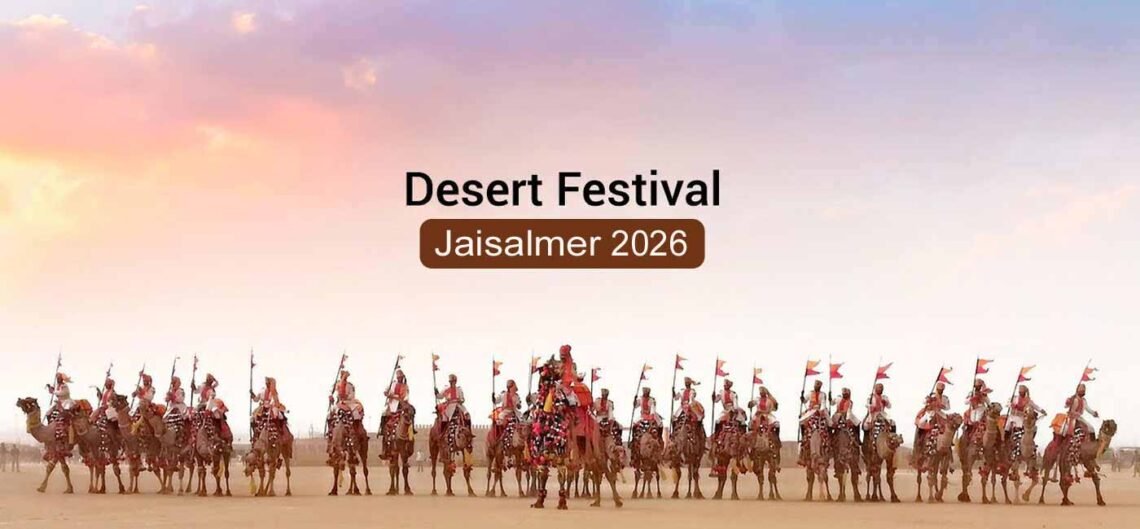
The Jaisalmer Desert Festival, also known locally as Maru Mahotsav, is a government-supported cultural celebration held annually in February. Organized with the aim of preserving and promoting Rajasthan’s folk heritage, the festival takes place against the dramatic backdrop of the Sam Sand Dunes and the historic Jaisalmer Fort. In 2026, the festival is anticipated to span three vibrant days filled with music, dance, competitions, and rituals that reflect centuries-old desert traditions.
Cultural Significance and Authentic Heritage
Rooted deeply in the lifestyle of desert communities, the festival is more than entertainment; it is a living archive of Rajasthan’s oral history and performing arts. Folk performers, many of whom belong to families practicing these art forms for generations, travel from remote villages to participate. Their involvement adds authenticity and reinforces the event’s cultural authority, making it a trusted platform for experiencing genuine Rajasthani heritage rather than a staged spectacle.
Major Events and Activities to Expect
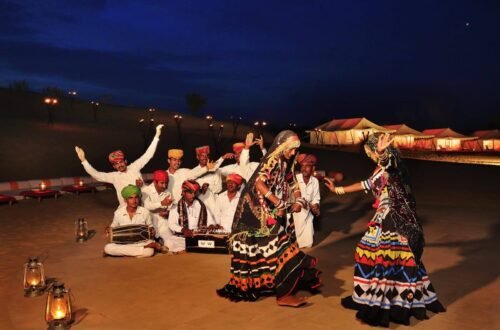
Visitors attending the Jaisalmer Desert Festival 2026 can expect a carefully curated lineup of activities that highlight both skill and storytelling. Popular attractions include traditional folk dance performances such as Kalbelia and Ghoomar, soulful Manganiyar music concerts, and age-old competitions that celebrate desert resilience. Events like turban tying contests, camel decoration parades, and mustache competitions are not only visually striking but also culturally symbolic. Evening programs often conclude with fire dances and collective performances under the open desert sky, creating unforgettable moments for attendees.
Festival Location and Timing
The main festival grounds are typically set near the Sam Sand Dunes, approximately 40 kilometers from Jaisalmer city. Daytime events are complemented by sunset and nighttime programs, allowing visitors to experience the desert in different moods. While the official dates are announced closer to the event, February remains the traditional month due to its pleasant weather, making outdoor celebrations comfortable and accessible for international travelers.
Accommodation and Desert Stay Experience
Staying close to the festival venue enhances convenience and immersion. Many visitors prefer desert camps that blend comfort with cultural authenticity. A well-appointed Luxury Swiss Tent In Jaisalmer offers modern amenities while maintaining traditional aesthetics, ensuring a balance between indulgence and heritage. Such accommodations are often staffed by locals, adding experiential depth through personal stories, guided activities, and regional hospitality practices that reflect real desert life.
Food, Crafts, and Local Engagement
One of the most trusted aspects of the festival is its focus on regional livelihoods. Local artisans showcase handcrafted jewelry, textiles, leather goods, and embroidery, allowing visitors to purchase directly from makers. Food stalls serve authentic Rajasthani cuisine prepared using traditional methods, offering dishes like dal baati churma, ker sangri, and gatte ki sabzi. This direct interaction with craftsmen and cooks enhances transparency and trust, as visitors can trace the origin of what they consume and buy.
Travel Tips for First-Time Visitors
Planning ahead is essential for a smooth festival experience. Booking accommodation and transport early is advisable, as demand rises sharply during festival dates. Wearing layered clothing helps manage temperature shifts between day and night. Respecting local customs, seeking permission before photographing performers, and engaging with guides recommended by local authorities contribute to responsible and ethical tourism. These practices not only ensure personal safety but also support the sustainability of the event.
Why the Festival Matters in 2026
In a rapidly modernizing world, cultural festivals like this play a crucial role in preserving intangible heritage. The Jaisalmer Desert Festival 2026 is particularly significant as it continues to evolve while remaining rooted in tradition. Increased global attention has encouraged better organization, improved infrastructure, and greater emphasis on authenticity, making it a reliable and authoritative cultural event on India’s tourism calendar.
Final Thoughts
Attending the Jaisalmer Desert Festival is not just about witnessing performances; it is about experiencing a way of life shaped by sand, sun, and stories passed down through generations. With its blend of credible cultural representation, expert craftsmanship, and community-led participation, the festival stands as a trustworthy celebration of Rajasthan’s desert heritage. For travelers seeking meaningful cultural engagement in 2026, this iconic festival offers an experience that is both enriching and enduring.