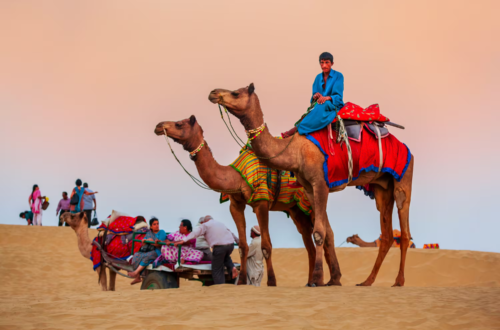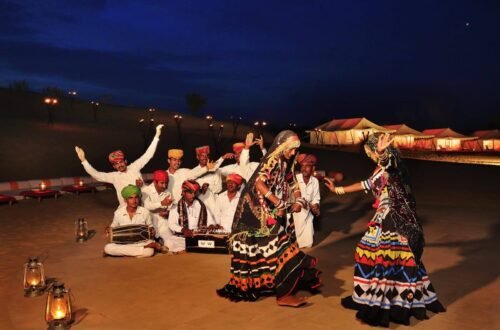
The journey from the golden sands of the Thar Desert to the pink-hued heritage of Rajasthan’s capital is more than just a commute; it is a transition through the very soul of Marwar and Dhundhar. Spanning approximately 550 kilometers, this route is a favorite for travelers who want to witness the changing topography of India’s most vibrant state. Choosing a reliable Jaisalmer cab service ensures that you aren’t just staring at the asphalt, but instead engaging with the hidden stepwells, ancient shrines, and local eateries that make this road trip legendary. Navigating this long stretch requires a blend of comfort and local insight, allowing you to stop at leisure when the horizon offers a particularly stunning sunset or a cluster of peacocks near a village pond.
Planning Your Desert-to-City Transit
A road trip of this magnitude requires a vehicle that can handle both the heat of the desert and the bustling traffic of the city. While buses and trains are available, they lack the flexibility to stop at the small, historical gems tucked away between major towns. Opting for a professional Jaisalmer taxi service allows you to customize your itinerary, ensuring you don’t miss the spiritual aura of Pokhran or the industrial yet historic charm of Nagaur. Most seasoned travelers recommend starting early, ideally around 6:00 AM, to beat the midday sun and reach your destination with enough time to enjoy a traditional Rajasthani dinner in Jaipur.
Pokhran: The Gateway of History
As you leave the golden fort behind, your first major stop is Pokhran. While famously known for its modern history, the town houses the magnificent Fort Pokhran. Built in the 14th century by the Marwar thakurs, the red sandstone structure stands as a sentinel of the desert. Inside, you can explore a museum that showcases royal costumes, weaponry, and local artifacts. The town is also famous for its intricate pottery, and a quick stroll through the local market allows you to witness artisans at work, creating terracotta pieces that have been a staple of the region for generations.
Khichan: A Birdwatcher’s Paradise
For those traveling during the winter months (November to February), a slight detour to Khichan is non-negotiable. This small village has gained international fame for the thousands of Demoiselle Cranes that migrate here from Mongolia and Eurasia. The local community has a deep-rooted bond with these birds, feeding them daily in designated “chugga ghars.” Watching thousands of cranes take flight simultaneously against the desert sky is a visceral experience that adds a layer of natural wonder to your cultural expedition. It is a testament to the coexistence of man and nature that defines rural Rajasthan.
The Spiritual Calm of Nagaur and Osian
Depending on the specific route your driver takes, you might pass through Osian or Nagaur. Osian, often called the “Khajuraho of Rajasthan,” is home to ancient Brahmanical and Jain temples dating back to the 8th century. The Surya Temple and the Sachiya Mata Temple are architectural marvels featuring intricate stone carvings. If your path leads through Nagaur, the Ahhichatragarh Fort is the primary attraction. This fort is a recipient of the UNESCO Award of Excellence for its meticulous restoration, showcasing stunning water systems and mural-laden palaces that offer a quieter, more intimate look at royal life compared to the larger forts.
Reaching the Pink City: Jaipur Sightseeing
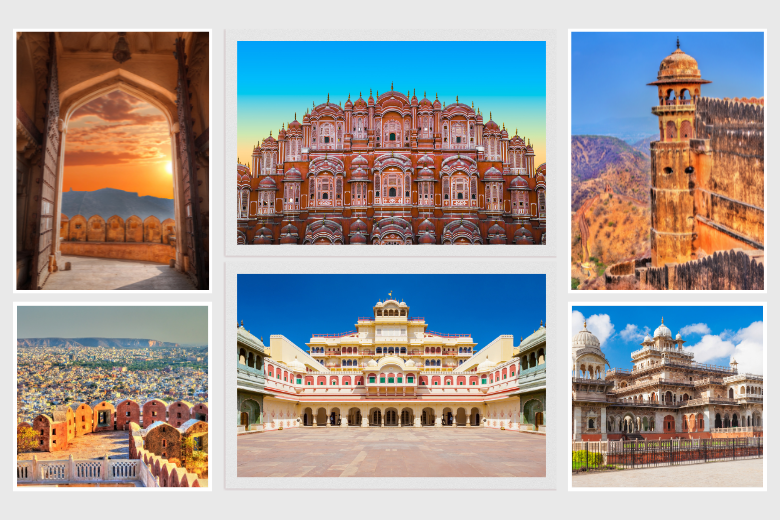
As the rugged desert landscape softens into the Aravalli hills, you approach the final destination. Utilizing a specialized Jaisalmer to Jaipur taxi service is particularly beneficial here, as the transition from highway driving to navigating Jaipur’s dense “Walled City” requires local expertise. Jaipur is a sensory explosion of color, commerce, and monuments. From the Hawa Mahal’s honeycomb windows to the astronomical precision of Jantar Mantar, the city demands your full attention. The Amer Fort, perched on a hill, offers a majestic view of the Maota Lake, while the City Palace continues to serve as a residence for the royal family, blending Mughal and Rajput architecture seamlessly.
Tips for a Seamless Road Trip Experience
To maintain the highest standards of travel, always ensure your vehicle is well-maintained and your driver is familiar with the bypass roads that avoid heavy truck traffic. Hydration is key in the arid climate, so keep plenty of water and light snacks handy. While the highways are generally in excellent condition, having a driver who knows the best “Dhabas” (roadside eateries) ensures you get a taste of authentic Ker Sangri or Bajra Roti without compromising on hygiene. Engaging with a service that prioritizes passenger safety and local knowledge transforms a long drive into a curated tour of India’s royal heritage.
Why the Road Connection Matters
While flying might save time, it skips the “middle” of Rajasthan, which is where the true culture resides. The road from Jaisalmer to Jaipur is a storybook of changing dialects, turban styles, and culinary spices. Each stop tells a different tale of resilience and artistry. By choosing a private cab, you maintain the “Experience” element of E-E-A-T, gaining firsthand exposure to the terrain rather than seeing it from 30,000 feet. This journey is about the pauses—the cup of masala chai at a roadside stall, the sudden sight of a camel herd crossing the road, and the gradual shift from the yellow stones of Jaisalmer to the pink bricks of Jaipur.