Deciding between Rajasthan’s two premier tiger reserves is a common dilemma for wildlife enthusiasts. Both parks offer a glimpse into the raw beauty of the Indian wilderness, yet they provide vastly different experiences. If you are looking for a premier resort in Ranthambore to serve as your base, you likely value accessibility and high sighting probabilities. However, understanding the nuances of Sariska Tiger Reserve versus Ranthambore National Park is essential to planning a trip that aligns with your personal expectations for adventure, solitude, and photography.
Landscape and Topography
The visual appeal of these two parks stems from the rugged Aravalli Range, but their layouts differ significantly. Ranthambore is famous for its “island” of forest surrounded by steep cliffs and rocky plateaus. It features iconic lakes like Padam Talao and Raj Bagh, which create a stunning backdrop for wildlife photography. The presence of the 10th-century Ranthambore Fort looming over the jungle adds a layer of historical grandeur that is hard to match anywhere else in the world.
Sariska, located in the Alwar district, is characterized by sharp cliffs and narrow valleys. It is generally more mountainous and densely wooded in certain pockets compared to the open grasslands of Ranthambore. While Sariska may lack the large, picturesque lakes of its counterpart, its valleys offer a sense of deep, untamed seclusion that appeals to those looking to escape the more commercialized safari circuits.
The Tiger Sighting Experience
When it comes to the “Big Cat” experience, Ranthambore is undeniably the heavy hitter. Its tigers are world-renowned for being habituated to jeeps, often stalking prey or nursing cubs in full view of visitors. This boldness makes it one of the most reliable places in India to witness natural tiger behavior.
Sariska has a more turbulent history, having faced a complete loss of its tiger population in 2004 before a successful reintroduction program began in 2008. While the tiger population is steadily growing, the cats here are more elusive. A safari in Sariska often feels like a true “hunt” for a sighting, requiring patience and a keen eye for alarm calls. If your primary goal is a guaranteed photo of a tiger, Ranthambore is the logical choice; if you prefer the thrill of the track, Sariska offers a rewarding challenge.
Seasonal Planning and Logistics
Timing is everything when planning a safari. The Best Time to Visit Ranthambore is typically between October and June, with the summer months of April to June offering the highest sighting rates as animals congregate around depleting water holes. During the monsoon season, the core zones of both parks usually close, though some buffer zones remain accessible for nature walks and limited drives.
Sariska follows a similar seasonal pattern, but because it is closer to Delhi (about a 4-hour drive), it often serves as a popular weekend getaway for capital residents. Ranthambore, being further south, requires more dedicated travel time but offers a more extensive infrastructure of luxury stays and specialized safari vehicles.
Biodiversity Beyond the Tiger
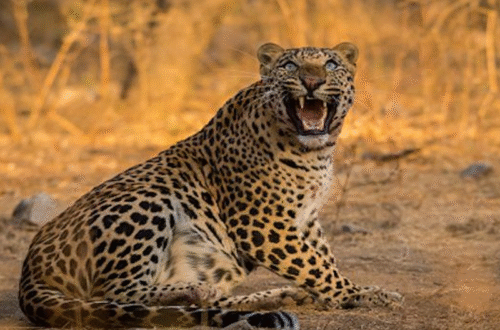
While the tiger is the star, both parks boast incredible biodiversity. Ranthambore is home to a significant population of leopards, sloth bears, and marsh crocodiles. The birdlife around its lakes is spectacular, featuring kingfishers, eagles, and various migratory waterfowl during the winter.
Sariska is unique for its large population of Northern Plains Gray Langurs and Rhesus Macaques, as well as an abundance of Peafowl—it is said to have the highest density of Peafowl in India. You are also likely to spot Sambars, Chitals, and Wild Boars. One of the unique aspects of Sariska is the Kankanwadi Fort located deep inside the park, where history and nature collide in a much quieter atmosphere than the bustling ruins of Ranthambore.
Tailored Travel Packages
For those traveling with a partner, the intimacy of the wilderness provides a perfect setting for a romantic escape. Many travelers opt for a Ranthambore 2N 3D Couple Package to balance the adrenaline of morning safaris with relaxed evenings by a campfire. These packages often include guided tours, luxury tented stays, and private dining options that make the ruggedness of the jungle feel remarkably sophisticated.
Sariska tends to cater more to the DIY traveler or those seeking a spiritual connection, as it houses the ancient Neelkanth Mahadev Temple. The vibe in Sariska is generally more understated, making it ideal for those who want a quick, low-key immersion into nature without the “celebrity” status that follows the famous tigers of Ranthambore.
Making the Final Choice
Choose Ranthambore if you are a first-time visitor to India’s tiger reserves or a professional photographer. The infrastructure is world-class, the sightings are frequent, and the landscape is breathtakingly cinematic. It is a bucket-list destination for a reason.
Choose Sariska if you have already “checked off” the major parks and want a quieter, more rugged experience. It is perfect for those who enjoy the journey as much as the destination and appreciate a park that feels a little more “undiscovered.” Whichever you choose, both parks serve as vital sanctuaries for India’s national animal and offer a profound reminder of the importance of conservation.