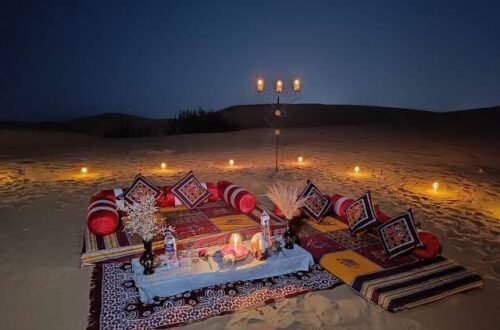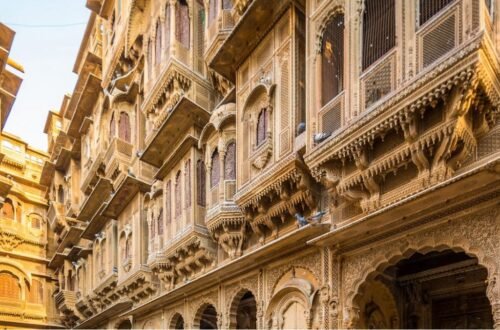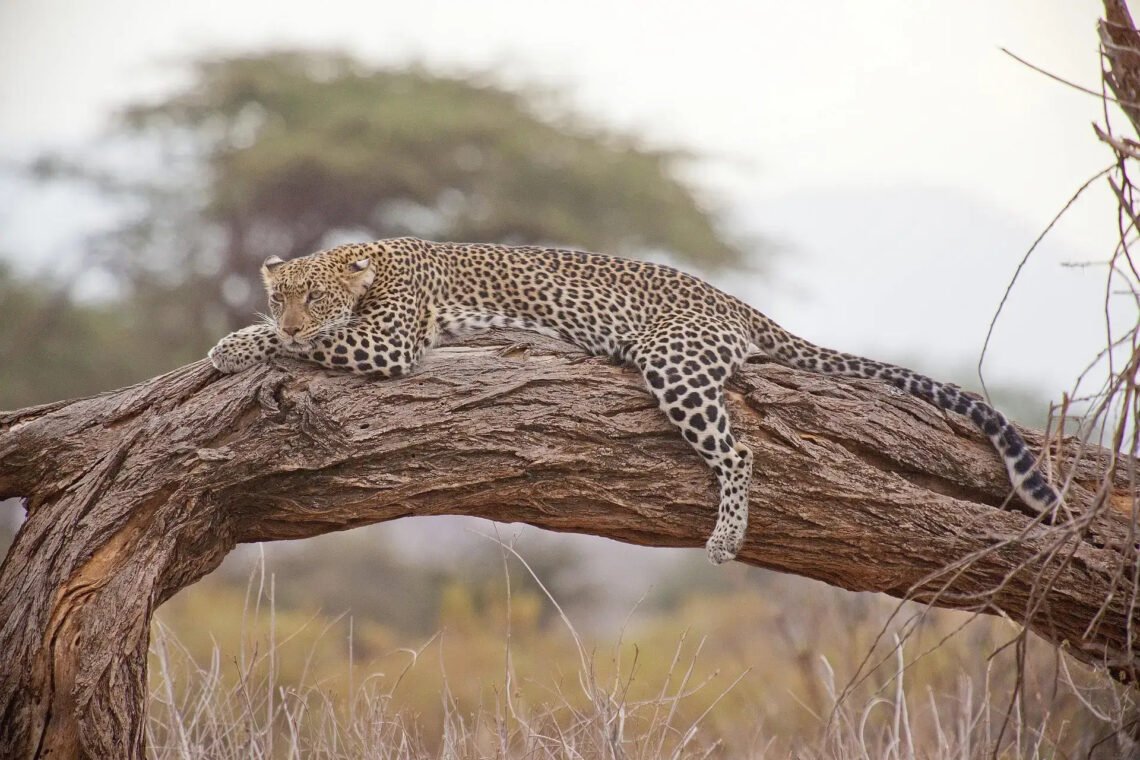
Nestled in the Pali district of Rajasthan between Udaipur and Jodhpur, the Jawai hills offer one of India’s most distinctive wildlife experiences. Unlike traditional dense jungle reserves, Jawai features billion-year-old granite formations, open scrublands, and the shimmering expanse of Jawai Bandh, where over fifty wild leopards coexist peacefully alongside the local Rabari herding communities. While these elusive big cats inhabit the Aravalli foothills year-round, planning a trip during the winter window from October through March transforms a standard safari into an unforgettable expedition. Understanding the seasonal shifts in temperature, animal behavior, and light conditions allows travelers to pinpoint the exact months that maximize sighting success and outdoor comfort.
Why Winter Elevates the Jawai Safari Experience
The regional climate in southern Rajasthan swings dramatically across the year, making seasonal timing the single most influential factor in wildlife tracking. During the scorching summer months, daytime heat drives leopards deep into shaded granite caves and rocky crevices. Winter reverses this dynamic entirely. Because granite boulders lose heat rapidly through crisp desert nights, the rocks become freezing cold by dawn. As soon as the first rays of morning sunlight strike the elevated ledges, leopards emerge from their nocturnal shelters to bask on exposed rock faces. They often remain motionless on these high vantage points for extended stretches to absorb warmth, giving trackers and wildlife photographers clear, unobstructed views against the rugged terrain. Furthermore, post-monsoon vegetation thins out by late autumn, reducing camouflage cover and making it significantly easier to spot camouflaged coats across the hillsides.
Month-by-Month Breakdown of the Winter Season
October and November: The Pleasant Transition
October marks the gentle opening of the safari season as monsoon humidity recedes and daytime highs settle between 28°C and 35°C. Early October retains hints of emerald greenery across the hills, creating a striking visual contrast against the grey granite. By November, true winter conditions begin settling over the valley, with daytime temperatures hovering around 28°C to 30°C and nighttime lows dipping to 14°C. Visitor numbers remain relatively modest during these two months, making November ideal for travelers who prefer quieter tracks, mild morning breezes, and the arrival of the first seasonal migratory birds around the reservoir.
December and January: Peak Leopard Basking and Birdlife
For pure sighting reliability, December and January stand out as the premier months for leopard spotting in Jawai. Daytime temperatures remain crisp and comfortable at 22°C to 25°C, while pre-dawn minimums regularly drop between 6°C and 10°C. This sharp overnight chill triggers peak morning basking behavior on the granite outcrops. Alongside big cat activity, January transforms Jawai Bandh into a premier birdwatching sanctuary, drawing thousands of greater flamingos, demoiselle cranes, pelicans, and bar-headed geese. Travelers visiting during this window should note that festive holidays and long weekends bring peak booking demand, requiring safari slots and accommodations to be reserved several weeks in advance.
February and March: Golden Light and Warm Afternoons
February offers arguably the best balance between high sighting probability and gentle weather. Morning temperatures rise slightly to 11°C or 13°C, removing the biting chill of mid-winter open-jeep drives while keeping daytime highs around a pleasant 25°C to 27°C. Leopards remain active well into the morning hours, and golden-hour lighting creates exceptional conditions for photography. March serves as the final shoulder month before summer heat returns, featuring warmer afternoons near 31°C to 33°C and lighter tourist crowds for last-minute explorers.
Extending Your Western India Journey
Many travelers exploring western India combine their Rajasthan wilderness getaway with extended stays in neighboring Gujarat, which sits just a few hours south by road. After spending dusty mornings tracking big cats across rocky terrain, unwinding at Gift City Club provides a refreshing contrast of modern hospitality and urban calm. Whether you are seeking a refined luxury hotel in Gandhinagar to recharge between regional excursions or looking for a welcoming family club in Gandhinagar where multi-generational travelers can relax together, the property bridges regional exploration with contemporary comfort. Corporate travelers and celebratory groups transitioning from desert retreats to formal gatherings will also find a versatile event venue in Gandhinagar tailored for seamless hospitality.
Practical Preparation Tips for Winter Safaris
- Dress in adaptable layers: Pre-dawn open gypsy drives in December and January feel noticeably colder due to wind chill, so wear a thermal base, fleece jacket, and scarf that can be peeled off once the sun warms the valley by mid-morning.
- Choose neutral earthy tones: Stick to olive, beige, khaki, and brown clothing to blend naturally into the rocky scrubland without startling wildlife.
- Prioritize morning safari slots: While sunset drives offer dramatic golden-hour landscapes, sunrise safaris align directly with peak rock-basking hours when leopards remain stationary in the open.
- Protect camera batteries from cold: Keep spare lithium batteries inside an inner jacket pocket before sunrise so low morning temperatures do not drain power prematurely.
- Book authorized local trackers early: Because Jawai operates across private community lands rather than a state-run national park, securing experienced local naturalists well ahead of winter weekends ensures access to the most active territories.