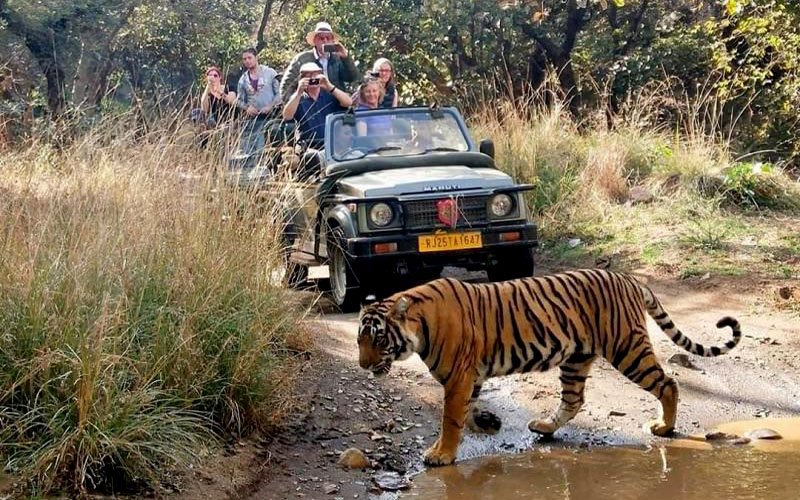
Stepping into Ranthambore is like stepping into a living, breathing jungle book. The air smells of dry deciduous earth, the calls of langurs echo from the canopy, and there is a palpable thrill in knowing that a royal Bengal tiger might be watching you from behind a golden cluster of dhok trees. As seasoned wilderness specialists who have tracked these apex predators across the rugged terrain of Rajasthan for years, we know that a truly unforgettable jungle experience requires the right blend of expert planning, local tracking knowledge, and a comfortable base camp. This guide leverages our years of field experience to help you maximize your wildlife sightings and craft the perfect itinerary.
Choosing Your Gateway to the Wild
Planning a wilderness expedition begins with finding the right base camp. The ideal base ensures you are close enough to the park gates to catch the crisp morning mist, yet tucked away enough to hear the nocturnal symphony of the jungle. If you want an authentic jungle experience paired with warm Rajasthani hospitality, selecting the right resort in Ranthambore makes all the difference. A strategic location saves you precious transit time during those early 5:00 AM wake-up calls, giving you a distinct advantage when trying to enter the park gates as soon as they open.
The Ultimate Safari Vehicles: Gypsies vs. Canters
Your choice of vehicle significantly impacts your comfort, photography capabilities, and overall tracking success. Ranthambore National Park offers two main options for exploring its varied terrain.
- Open-Top 4×4 Jeeps (Gypsies): These smaller, 6-seater vehicles are highly maneuverable, exceptionally quiet, and capable of navigating narrow, rocky paths where tigers love to rest. Booking a jeep safari in Ranthambore gives you a highly personalized experience, flexible camera angles for low-light photography, and a much quieter ride to better hear the subtle alarm calls of deer.
- Open Canters: These are larger, 20-seater safari buses. While they are a budget-friendly option and excellent for large travel groups, their size limits them to the main forest tracks, and they inherently create more noise, which can sometimes cause shy wildlife to retreat further into the brush.
Mastering the Ten Safari Zones
Ranthambore is divided into 10 distinct ecological zones, a management strategy designed to protect the habitat while offering regulated tourism access.
Zones 1 to 5: The Premium Core
These zones represent the historic heart of the park, characterized by ancient banyan trees, deep valleys, and beautiful water bodies. Zones 2 and 3 are particularly famous because they surround the majestic Ranthambore Fort and the shimmering waters of Padam Talao and Raj Bagh Talao. Here, tigers are frequently spotted stalking prey along the lakeshores or cooling off in the water during the scorching afternoon heat.
Zones 6 to 10: The Scenic Buffer
Often underestimated, the outer zones feature stunning hilly terrains, steep escarpments, and deep water streams. Zones 6 and 7 are brilliant for birdwatching and offer frequent sightings of sloth bears and leopards, who prefer the rocky, less crowded ledges of the mountain range.
Key Historical Landmarks Inside the Gates
Ranthambore is unique because it seamlessly blends natural history with human heritage. You are not just visiting a forest; you are exploring an ancient, abandoned kingdom.
- Ranthambore Fort: Dating back to the 10th century, this UNESCO World Heritage Site stands proudly atop a 700-foot hill, dominating the park’s skyline.
- Jogi Mahal: Located right on the edge of Padam Talao, this historic forest rest house features one of the largest banyan trees in India.
- Trinetra Ganesha Temple: Situated inside the fort walls, this ancient temple attracts thousands of devotees and offers a fascinating cultural element to your wilderness journey.
Selecting Your Ranthambore Tour Package
To experience this incredible landscape without the stress of permits and schedules, choosing a comprehensive Ranthambore tour package is highly recommended. A well-structured package coordinates your accommodation, park entry permits, vehicle bookings, and expert nature guides into a seamless itinerary. Because safari permits are strictly limited by the forest department to prevent overcrowding, booking several months in advance ensures you secure access to the most productive zones during your stay.
Pro-Tips for Successful Wildlife Tracking
Maximizing your chances of a tiger sighting requires patience, keen senses, and an understanding of forest dynamics. Always listen carefully for the sharp, repetitive alarm calls of spotted deer, sambar deer, and langurs, which reliably broadcast a predator’s precise movement through the undergrowth. Keep your eyes trained on the dusty safari tracks to spot fresh, sharp-edged pugmarks left behind in the sand overnight. Finally, maintain absolute silence inside the vehicle; sudden loud noises or bright, flashing clothing will disrupt the natural behavior of the animals and cause them to vanish silently back into the deep shadows of the dry deciduous forest.