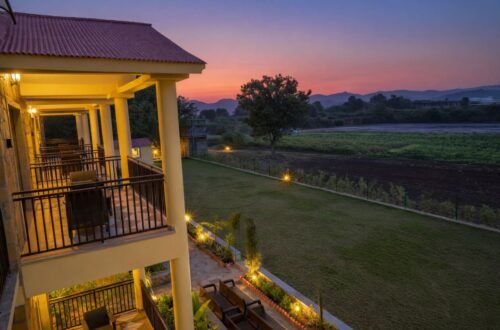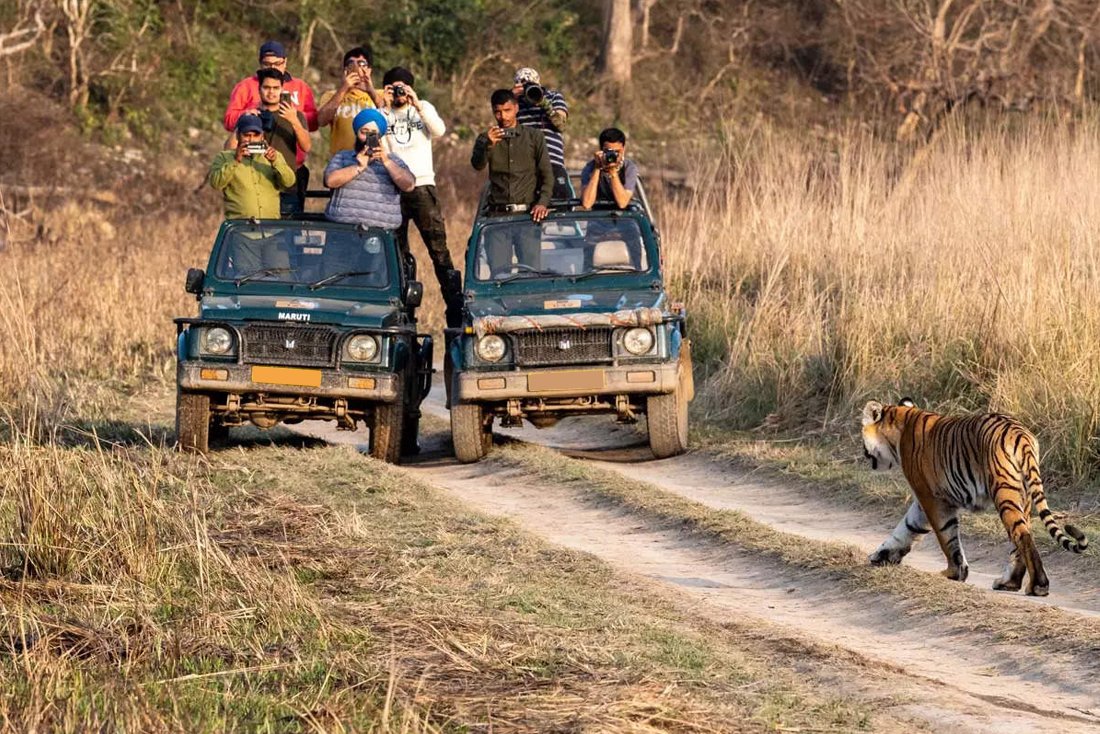
Tracking the majestic Royal Bengal tiger across the dry deciduous forests and ancient ruins of Ranthambore National Park is one of the most thrilling wildlife experiences in Asia. Divided into 10 administrative safari zones, Ranthambore’s landscape varies from serene lake beds and historic battlements to rugged rocky hills and deep ravines. To maximize your chances of witnessing a wild tiger in its natural habitat, understanding the dynamics, dominant territories, and active movement patterns across these zones is essential. Setting base at a comfortable resort in Ranthambore allows travelers to plan multi-drive itineraries and embark on early morning and late afternoon tracking expeditions with experienced local naturalists.
Core Zones: The Prime Tiger Territories (Zones 1 to 5)
The core areas of the park—Zones 1 through 5—have historically recorded the highest concentration of tiger sightings due to their permanent water sources, abundant prey base, and well-established tiger territories.
Zone 3: The Crown Jewel of Lake Sightings
Zone 3 is widely recognized as one of the most scenic and active zones in the park. Encompassing three major perennial lakes—Padam Talao, Raj Bagh Talao, and Malik Talao—alongside the historic Jogi Mahal, this zone provides an ideal habitat for apex predators. Tigers in Zone 3 are frequently seen cooling off in the water, patrolling the lake borders, or hunting among the ancient stone arches of Raj Bagh. The open visibility around the lake shorelines makes Zone 3 a favorite for wildlife photographers and first-time safari visitors.
Zone 2: High Density and Plentiful Waterholes
Stretching through areas like Jhalra, Phuta Kot, and Nal Ghati, Zone 2 features a network of streams and shaded watering points. Because water is distributed throughout this zone, resident tigers and leopards move regularly along its dry riverbeds and dirt tracks. The diverse terrain allows for close-range tracking, especially during the warmer months when predators stay close to shaded springs.
Zone 4 and Zone 5: Dense Cover and Historic Corridors
Zones 4 and 5 share an initial access route near Singh Dwar before branching into distinct landscapes. Zone 4, home to famous tiger lineages and locations like Lakkad Da and Tamakhan, features dense canopy cover mixed with open glades. Zone 5 leads through Kachida Valley, Bakola, and Anatpur, where steep cliffs and thick forest offer refuge not only to tigers but also to sloth bears and leopards. Both zones offer exceptional tracking conditions along forest roads where fresh pugmarks are routinely spotted during morning drives.
Zone 1: The Gateway to the Forest
Entering through Singh Dwar, Zone 1 offers a picturesque mix of dense forest, dry stream beds, and natural springs like Peela Pani and Tuti ka Nalla. Known for territory holders that patrol between the core boundaries and adjacent hills, Zone 1 provides exclusive, quiet wilderness drives with steady sighting records.
Buffer Zones: Rising Stars for Wildlife Encounters (Zones 6 to 10)
While the core zones remain highly sought after, the outer or buffer zones (Zones 6 to 10) have gained tremendous popularity in recent years. As Ranthambore’s healthy tiger population has grown, young adults and dominant individuals have established thriving territories in these outer landscapes.
Zone 6 (Kundal): Open Terrains and High Visibility
Zone 6 borders Zone 1 but is accessed via a separate entry gate near the town. Featuring open grasslands, steep hill slopes, and water bodies like Soleshwar and Kala Pani, Zone 6 has consistently reported strong tiger activity. The open landscape provides superb sightlines across open fields, while rare bird species like the endangered red-headed vulture are also frequently observed here.
Zones 7 to 10: Quiet Tracks and Untamed Landscapes
Zones 7 (Chidikho), 8 (Balas), 9 (Kuwalji), and 10 (Aantri) offer a wilder, less crowded safari experience. Zone 10, in particular, has emerged as a reliable area for tiger tracking, with frequent sightings reported around Halonda and Devpura. These zones feature dramatic cliff faces, open plateaus, and riverine habitats that reward patient naturalists with peaceful wildlife encounters away from heavy safari traffic.
How Naturalists Track Tigers on Safari
Tiger tracking in Ranthambore is an art reliant on sharp senses and forest woodcraft rather than radio tracking. Guides and drivers analyze key indicators:
- Auditory Cues (Alarm Calls): Sambar deer, chital, langur monkeys, and peafowl emit distinct alarm calls when a tiger is moving nearby. Following the direction and intensity of these calls is often the fastest way to locate a cat.
- Fresh Pugmarks: Clear paw prints in the dusty road tracks indicate how recently a tiger passed by and which direction it was traveling.
- Behavior near Waterholes: During hotter hours, tigers routinely seek shade near water bodies or thick bushes near stream channels.
Practical Planning Tips for Your Safari
To maximize your chances of a successful wildlife drive, consider these practical recommendations:
- Choose the Right Vehicle: A 6-seater open Jeep (Gypsy) offers greater maneuverability on narrow tracks, while a 20-seater open canter safari in Ranthambore provides an elevated vantage point that is great for families and groups.
- Book Multiple Drives: Because wildlife sightings depend on natural animal movements, booking 3 to 4 drives across different zones significantly boosts your chances of a memorable sighting.
- Seasonal Advantages: The summer months (March to June) force tigers toward remaining water sources, resulting in frequent sightings. Winter (October to February) offers pleasant weather, misty mornings, and lush green landscapes.
Securing official park permits early ensures seamless access to your allocated zones for an unforgettable Ranthambore jungle safari adventure. Returning to Ranthambore Tiger Resort after an exciting day on the trail provides the perfect setting to relax, share safari stories, and prepare for another day in the wild.