When monsoon clouds gather over the rugged contours of Sawai Madhopur, the wilderness of Ranthambore undergoes a breathtaking transformation. Most travellers assume that wildlife parks across India completely shut down when the rains arrive. However, experienced naturalists and frequent safari-goers know that the monsoon season—spanning from July through September—reveals a surprisingly intimate and tranquil side of this historic forest.
While the dry summer months draw massive crowds focused solely on tiger tracking around dried-up waterholes, the rainy season turns the dry deciduous scrubland into an emerald sanctuary. Streams flow again, the Aravalli and Vindhya ranges get shrouded in gentle morning mist, and the forest canopy comes alive. Choosing to stay at a luxury resort in Ranthambore during these months provides an opportunity to experience Rajasthan’s prime wilderness away from commercial rush.
Understanding Park Operations During Monsoon: Core vs. Buffer Zones
A common misconception is that Ranthambore National Park is entirely closed during the monsoon months. The Forest Department enforces a phased closure primarily to safeguard wildlife during breeding season and to prevent vehicle damage to unpaved forest tracks.
- Core Zones (Zones 1 to 5): These central zones remain closed to tourists from July 1st through September 30th. These tracks feature steep terrain, river crossings, and heavy breeding activity among wild cats and prey species, making off-season protection essential.
- Buffer Zones (Zones 6 to 10): These zones remain open for safari operations throughout the rainy season, subject to daily weather conditions and track accessibility. Zones 6 through 10 encompass hills, open valleys, and winding streams that offer scenic drives and rewarding wildlife sightings.
Because safaris in the buffer zones operate on dynamic schedules based on rainfall intensity, visitors should maintain a flexible itinerary. The Forest Department reserves the right to delay or cancel a shift if torrential downpours render specific dirt tracks impassable.
What the Monsoon Safari Experience Looks Like
Taking a jungle safari in Ranthambore during the rainy season is distinctly different from a winter or summer game drive. The air smells intensely of damp earth and blooming flora. The native Dhonk trees, which appear dormant for most of the year, burst into vibrant green leaves within just a few days of the first monsoon showers.
While dense foliage makes animal tracking more challenging than in the dry summer heat, the rewards are unique:
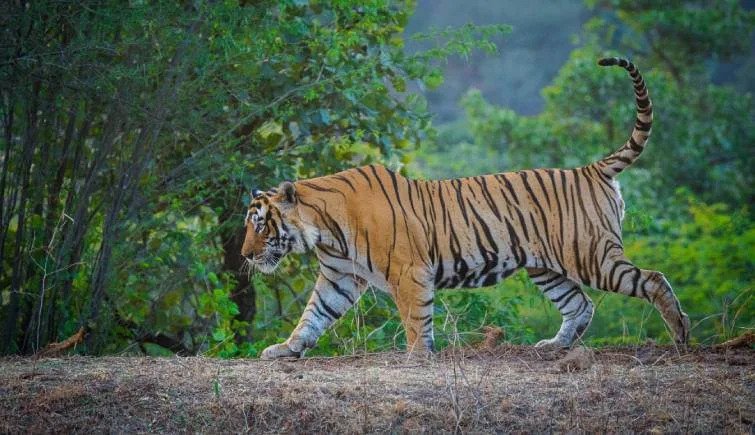
- Predator Sightings on High Ridge Lines: Tigers and leopards frequently seek out higher, rocky terrain, paved roads, and stone plateau edges to avoid wet underbrush, providing striking photographic opportunities against lush green backdrops.
- Active Herbivores and Newborns: Sambar deer, chital, and wild boar thrive on fresh shoots and full water bodies. Monsoon is also the season when many herbivores welcome newborn fawns.
- Birdwatching Paradise: Resident bird species enter their peak breeding cycles, displaying brilliant courtship plumage. Peafowl can be seen dancing across open glades, while kingfishers, eagles, and storks gather around swollen streams.
- Fewer Vehicles on Tracks: Without the heavy traffic of peak tourism months, safari vehicles move through the buffer zones quietly, allowing for unhurried wildlife observations.
Cultural and Scenic Attractions Around Ranthambore in Rains
Visiting during the rainy season allows you to explore historic and scenic landmarks beyond the wildlife drives.
Ranthambore Fort
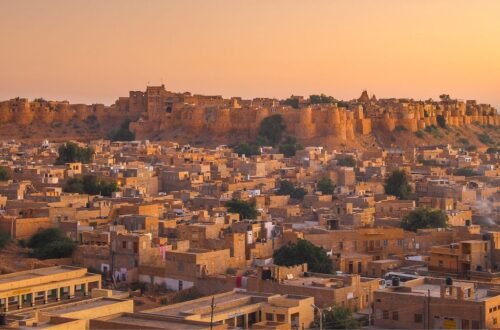
Perched atop a 700-foot high hill inside the reserve, this UNESCO World Heritage Site offers panoramic views of the forest below. During the monsoon, low-lying clouds roll over the ancient ramparts, and the surrounding lakes fill to their brim, creating a dramatic landscape for history buffs and photographers alike.
Local Waterfalls and Temples
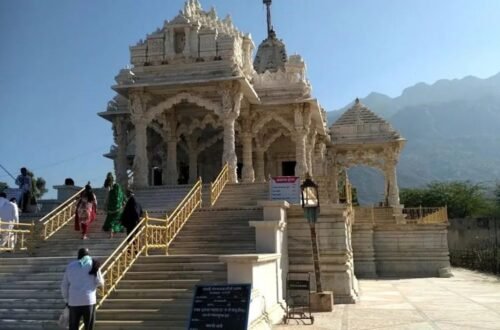
The monsoons revive seasonal waterfalls across the region. A short drive leads to the Amreshwar Mahadev Temple nestled in a gorge, where a natural waterfall cascades down stone cliffs. Nearby lakes like Surwal Lake begin attracting early winter migratory birds alongside resident waterfowl.
Practical Planning: Booking and Essential Gear
Planning a monsoon trip requires a slightly different approach than a standard dry-season itinerary.
Safari Bookings
Monsoon safaris for Zones 6 to 10 are typically booked on a current basis or through designated counters, depending on daily forest permissions. Securing a comprehensive Ranthambore tour package through a reliable local host ensures your safari permits, station transfers, and alternate sightseeing arrangements are handled smoothly during sudden weather changes.
Essential Packing List
- Waterproof Gear: High-quality rain jackets or ponchos are essential, as open-top Gypsies offer limited overhead protection during sudden showers.
- Camera Protection: Bring dry bags, rain covers, and silica gel packs to safeguard cameras, lenses, and binoculars from high humidity.
- Footwear: Sturdy, anti-skid shoes with good grip are necessary for walking around fort ramparts and resort grounds.
- Clothing: Quick-dry synthetic fabrics in neutral earth tones (greens, browns, and khakis) work best. Avoid bright colors that disturb wildlife.
Experiencing Unhurried Wildlife Travel
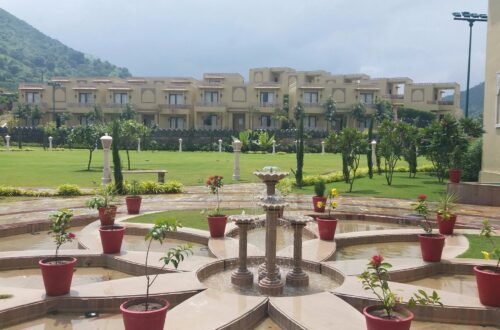
The monsoon season transforms Ranthambore from a high-paced tiger tracking destination into a peaceful retreat. At Ranthambore Tiger Resort, guests can enjoy warm Rajasthani hospitality, regional cuisine, and comfortable amenities after returning from a misty morning drive. Listening to the sounds of the forest from a quiet veranda while rain washes over the Aravalli hills provides a serene connection to nature that peak season travel rarely affords. For travellers who appreciate lush landscapes, quiet tracks, and authentic wilderness encounters, visiting Ranthambore in the rainy season is an experience worth having.