Nestled amidst the ancient Aravalli Range in southwestern Rajasthan, Jawai has carved out a unique position on the global eco-tourism map. Unlike traditional national parks bounded by fences, dense canopy cover, or strict tiger reserve regulations, Jawai presents a raw, open landscape dominated by billion-year-old granite monoliths and sweeping riverbeds. Wildlife enthusiasts, wildlife photographers, and discerning travelers travel from across the globe to witness a rare ecological phenomenon: wild Indian leopards living in complete harmony with local human communities.
Understanding why Jawai captures the imagination of seasoned wildlife travelers requires looking beyond standard safari itineraries. It is the combination of geography, culture, high sighting probabilities, and refined hospitality that sets this region apart.
The Coexistence of Leopards and the Rabari Tribe
The primary attraction of Jawai is its incredible big cat population. Dozens of wild leopards inhabit the granite caves and kopjes surrounding the Jawai River and Dam. However, what truly distinguishes Jawai from national parks like Ranthambore or Corbett is the absence of commercial forest barriers.
For generations, the indigenous Rabari pastoral tribe has shared this terrain with the apex predators. The Rabari people, instantly recognizable by their striking red turbans and white traditional attire, graze their cattle and goats along the same granite hills where leopards rest during the day.
- Sacred Reverence: Local culture views the leopard as a revered guardian of the land, associated with local hill deities.
- Zero Poaching History: Because of local protection and cultural sanctity, human-wildlife conflict is virtually nonexistent.
- Unprecedented Animal Behavior: Jawai leopards have adapted to human presence, displaying relaxed natural behavior rarely observed in heavily forested or hunted zones.
This seamless coexistence allows travelers to photograph leopards walking past village paths or resting on granite rocks in plain view of local herders.
Exceptional Sighting Probability and Open Terrain Photography
Forest safaris often involve hours of scanning dense undergrowth, relying entirely on alarm calls to spot a glimpse of a feline coat. In contrast, Jawai’s topography offers wide-open vistas dominated by smooth granite formations.
Because leopards prefer the natural caves formed within these granite hills, tracking them becomes a visually captivating experience. Local trackers leverage deep generational knowledge of the terrain to locate big cats basking under the morning sun or resting with their cubs on rock ledges.
- 360-Degree Panoramic Views: Open rock faces provide clear line-of-sight visual access for photographers.
- Flexible Safari Routes: Private open 4×4 gypsies operate across community tracks rather than rigid forest zone gates, ensuring personalized routes.
- Optimal Lighting Conditions: The stark contrast between grey granite rocks, golden sunrise hues, and the sleek coat of the leopard creates ideal natural conditions for wildlife photography.
The Avian Paradise of Jawai Dam Backwaters
While leopards remain the headline act, Jawai Dam—the largest dam in western Rajasthan—creates an expansive wetland habitat that transforms the region into an avian sanctuary. During the winter months, thousands of migratory birds settle along the reservoir backwaters.
- Migratory Waterfowl: Flamingoes, demoiselle cranes, bar-headed geese, and pelicans congregate in large flocks along the shallow shorelines.
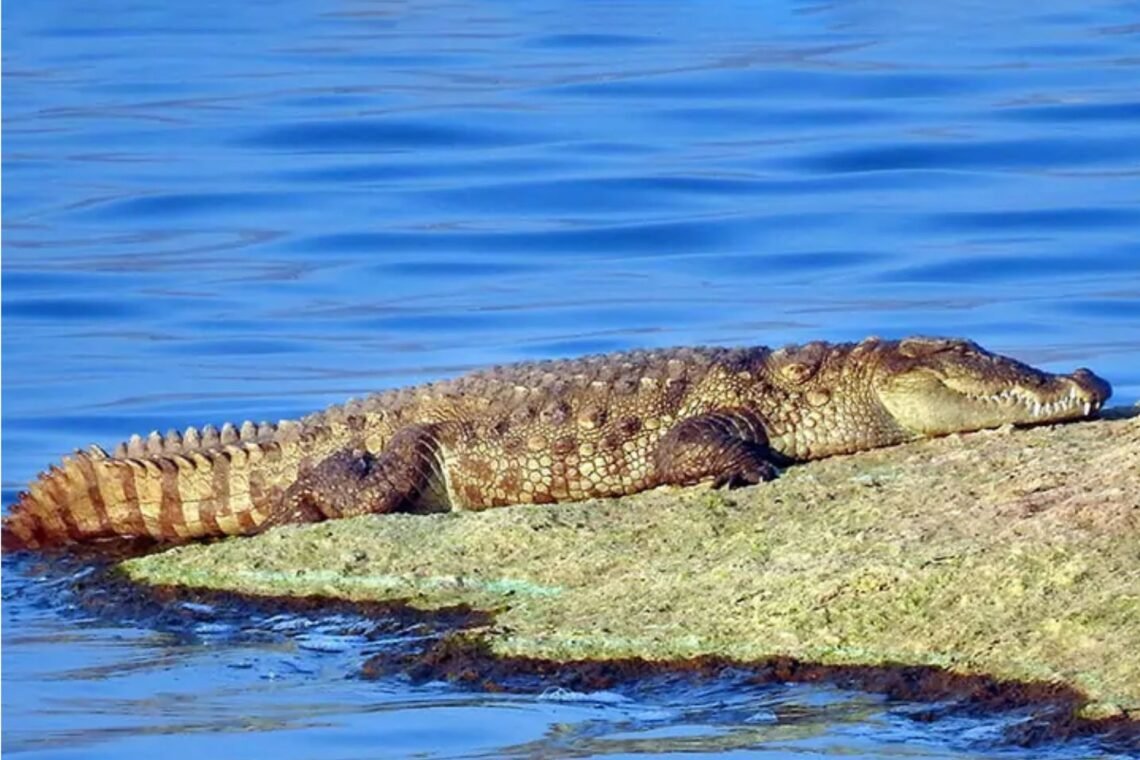
- Resident Aquatic Life: The backwaters are home to a thriving population of mugger crocodiles (marsh crocodiles), frequently seen sunning on sandy banks.
- Raptor Sightings: Bonelli’s eagles, crested serpent eagles, and peregrine falcons hunt along the cliff ridges overlooking the water.
This ecological diversity ensures that morning birdwatching drives around the backwaters are just as rewarding as evening big cat tracking.
Authentic Hospitality Meets Wilderness
A major factor contributing to Jawai’s fame among international and domestic luxury travelers is the evolution of bespoke hospitality in the region. Modern travelers no longer have to compromise on comfort to experience authentic wilderness. Selecting a well-curated resort in Jawai allows visitors to experience the raw wilderness of the Aravallis while enjoying personalized luxury, farm-to-table dining, and expert-led safari drives.
World-class amenities play an important role in relaxing after an energetic early morning drive. Modern travelers appreciate properties where top-tier Resort Facilities in Jawai—such as infinity swimming pools overlooking rock formations, private outdoor dining setups, and open-air lounge decks—blend smoothly into the natural surroundings.
For visitors seeking a complete retreat, booking a Luxury Stay Near Jawai Dam provides panoramic views of the waterbody and surrounding granite hills right from private balcony sit-outs. Guests can listen to the evening call of peacocks and wild waterfowl while watching the sunset over the reservoir.
Year-Round Wildlife Accessibility
Unlike major national parks in India that close completely during the monsoon season (July to September), Jawai remains accessible to visitors throughout the year. The granite terrain drains rainwater rapidly, keeping safari tracks navigable. Monsoons carpet the dry landscape in lush green vegetation, providing a striking visual contrast against the dark granite rocks.
Jawai stands as a shining model for sustainable wildlife tourism. It proves that when local communities are respected, wildlife is protected, and hospitality is thoughtfully integrated, visitors gain an unforgettable adventure that stays with them long after they leave.