Choosing between Udaipur and Jodhpur is one of the most common dilemmas travelers face when planning a journey through Rajasthan. Both cities showcase the architectural brilliance, royal heritage, and deep-rooted traditions of Western India, yet they offer completely different atmospheres. Udaipur, nestled around shimmering artificial lakes and surrounded by the green slopes of the Aravalli hills, exudes a quiet, romantic grace. Jodhpur, perched dramatically on the edge of the Thar Desert under the watchful shadow of Mehrangarh Fort, pulses with rugged energy and medieval grandeur. Deciding which destination fits your itinerary depends on the tempo, scenery, and cultural immersion you seek.
The Distinct Landscapes and Visual Character
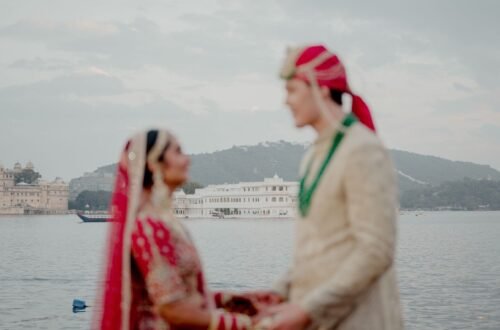
Udaipur is famously known as the City of Lakes and the Venice of the East. Its aesthetic identity centers on water bodies like Lake Pichola, Fateh Sagar Lake, and Swaroop Sagar. White marble palaces, intricately carved havelis, and decorative ghats reflect across calm waters, creating soft silhouettes against rolling hills. The city feels open, serene, and remarkably green for a desert state. Walking along the lake promenades in the early morning or watching the sunset over the Jag Mandir island provides a calm, relaxed travel rhythm.
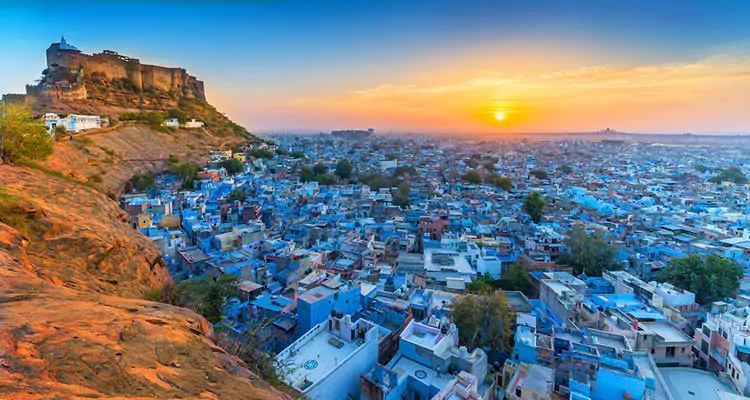
Jodhpur, the Blue City, contrasts sharply with its vibrant blue-painted houses and stark desert surroundings. The terrain is arid, rocky, and striking. The entire city is anchored by the colossal Mehrangarh Fort, which rises high on a perpendicular cliff, overlooking a sea of indigo-washed cubic roofs in the historic walled quarter. Navigating Jodhpur means diving into bustling bazaars scented with roasting spices and local street food. The visual drama here is intense, raw, and unmistakably desert-centric.
Royal Heritage and Monumental Sights
Heritage exploration in Udaipur revolves around the grand City Palace complex, the largest palace compound in Rajasthan. Built over four centuries by successive Maharanas of the Mewar dynasty, the palace features a blend of Rajasthani and Mughal architectural styles, housing mirrored galleries, private courtyards, and ornamental balconies. Beyond the palace, cultural stops include Saheliyon-ki-Bari with its historic fountains, Bagore Ki Haveli on the edge of Gangaur Ghat, and Sajjangarh Monsoon Palace set high on a hilltop. Booking an organized Udaipur full day tour ensures you navigate these expansive palaces, lake viewpoints, and gardens seamlessly with verified local context.
Jodhpur presents heritage on an entirely different scale. Mehrangarh Fort is widely considered one of the best-preserved and most imposing forts in India. Inside, its museums house palanquins, royal cradles, miniature paintings, and armory exhibits maintained by the royal family trust. Nearby sits Jaswant Thada, an exquisite white marble cenotaph that glows under the desert sun, and the massive Umaid Bhawan Palace, a prime example of Art Deco royal architecture. A focused jodhpur one day tour covers these landmarks along with the vibrant clock tower market and the historic stepwell Toorji Ka Jhalra without losing time in transit.
Culinary Traditions and Flavors
Food forms an essential pillar of local culture in both cities. Udaipur’s dining culture focuses heavily on leisurely meals enjoyed at rooftop restaurants overlooking the illuminated lakes. Mewari cuisine features rich, warming flavors with signatures like Dal Baati Churma, Gatte ki Sabzi, and subtle non-vegetarian dishes like Lal Maas and Safed Maas. The atmosphere encourages lingering over multi-course meals while folk musicians perform lakeside.
Jodhpur is renowned across the subcontinent for bold street food and high-heat spices. The city is the birthplace of the famous Pyaaz Ki Kachori and Mirchi Vada, deep-fried snacks packed with spiced potatoes and chili peppers. Sweet delicacies such as Mawa Kachori, Ghewar, and rich Makhaniya Lassi are local staples served at generational sweet shops near the Ghanta Ghar clock tower. Dining here is fast, lively, and full of authentic regional flair.
Cultural Experiences and Shopping
Shopping in Udaipur leans toward fine arts and craftsmanship. The city is celebrated for traditional Pichwai paintings depicting Lord Krishna, miniature Mewar artwork on silk and paper, handcrafted leather journals, and silver jewelry. The markets around Hathipole and Bada Bazaar allow visitors to meet skilled artisans working inside their studios.
Jodhpur provides an exciting shopping landscape for desert textiles and heavy handicrafts. The bustling bazaars around Sardar Market specialize in tie-dye Bandhani and Leheriya fabrics, hand-embroidered textiles, dyed leather Mojari footwear, and wooden handicrafts. Antique lovers also frequent the industrial warehouses around the city for reclaimed architectural pieces and hand-carved furniture.
Practical Logistics and Ideal Travel Pace
Planning your schedule effectively requires balancing travel days with sightseeing hours. Udaipur works exceptionally well for couples, families, and solo travelers wanting a slow travel pace with minimal stress. Its central sights are relatively close together, making transport straightforward.
Jodhpur suits travelers who thrive on lively, fast-paced street exploration, photography, and imposing military architecture. Both cities can be reached via major airports, rail links, and highways. If you are traveling between the two, the road trip takes roughly five to six hours and passes the magnificent Ranakpur Jain Temple, making a combined trip very practical.
When crafting a customized itinerary that aligns with your available days, pacing, and regional interests, working alongside a certified tour operator in Rajasthan helps secure verified transport, vetted heritage guides, and handpicked stays across both regions.
Which City Should You Choose
Select Udaipur if you prefer scenic waterfront vistas, romantic boat rides, royal palace galleries, and an easygoing pace. Choose Jodhpur if you prioritize massive fortresses, dramatic vantage points, spirited bazaars, and rich street food culture. For itineraries extending beyond four days, visiting both offers the perfect window into Rajasthan’s royal history and regional diversity.